
FEATURE ARTICLE
IRS Audit Red Flags: How to Minimize Your Risk
Apr 8, 2026
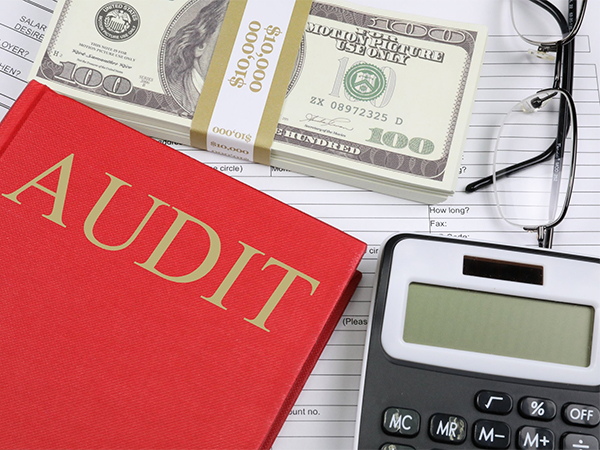
Dealing with taxes can be complex, and the possibility of an IRS audit can feel overwhelming. While audits are relatively rare, understanding common red flags can help you stay compliant and minimize your risk. By maintaining accurate records and following best practices, you can navigate tax season with confidence and avoid unnecessary scrutiny.
Common IRS Audit Red Flags
Being flagged for a potential audit doesn’t automatically imply wrongdoing. To reduce risk:
Common IRS Audit Red Flags
-
Discrepancies and Mismatched Information
The IRS receives forms like W-2s, 1099s, and 1098s directly from employers and financial institutions. Any mismatch between these forms and your return—such as unreported income—can trigger an audit. Double-check all entries and ensure reported income aligns with official records. -
High Income
Higher-income individuals are statistically more likely to be audited because of their larger potential tax liabilities. While income alone doesn’t guarantee an audit, the IRS uses a scoring system that factors in high earnings alongside other indicators. -
Excessive Deductions
Claiming unusually large deductions compared to your income may draw attention. Legitimate deductions are fine, but keep proper documentation to substantiate your claims, as disproportionate deductions can raise red flags. -
Home Office Deduction
Home office deductions are legitimate for many self-employed taxpayers, but they are also frequently scrutinized. Ensure you meet IRS requirements and maintain detailed records of your expenses to avoid complications. -
Business Losses
Repeated business losses on Schedule C may trigger questions about your business’s legitimacy. Even if losses are genuine, maintaining clear financial records and a growth plan can help justify your filings. -
Large Cash Transactions
Financial institutions report cash transactions exceeding $10,000, which can attract IRS attention. Always report income accurately, and reconcile cash activity with tax returns to prevent issues. -
Cryptocurrency Transactions
With cryptocurrency becoming increasingly popular, the IRS closely monitors crypto gains and losses. Keep precise records of all transactions, including trades, sales, and exchanges, to ensure compliance and reduce audit risk.
Being flagged for a potential audit doesn’t automatically imply wrongdoing. To reduce risk:
- File accurate and complete returns
- Keep meticulous records and receipts
- Substantiate all deductions and claims
- Consult a tax professional if faced with an audit