
FEATURE ARTICLE
Smart Tax Planning: Proven Strategies to Lower Your Taxable Income
Feb 18, 2026
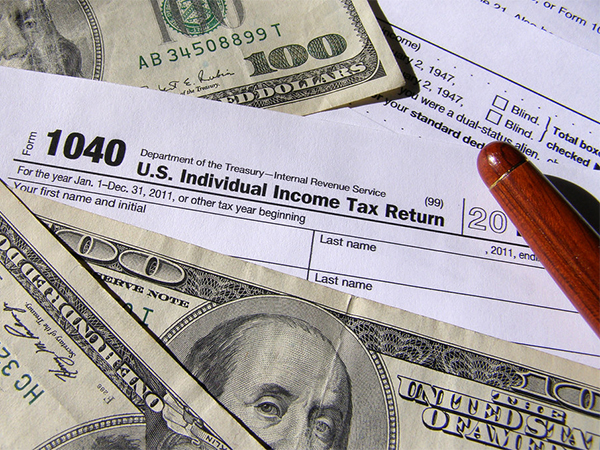
As the saying goes, “The only certainties in life are death and taxes.” While taxes are unavoidable, smart tax planning can significantly reduce your taxable income—legally and strategically. Whether you’re an individual filer or a small business owner, understanding today’s tax-saving opportunities can help you keep more of what you earn and strengthen your long-term financial outlook.
Below are updated, practical strategies to help lower your tax liability and improve overall financial efficiency.
Below are updated, practical strategies to help lower your tax liability and improve overall financial efficiency.
-
Maximize Retirement Contributions
Contributing to tax-advantaged retirement accounts—such as a 401(k), Traditional IRA, SEP-IRA, or SIMPLE IRA—remains one of the most effective ways to reduce taxable income. Contributions may be tax-deductible, lowering your adjusted gross income (AGI) while building retirement savings.
Be sure to review current IRS contribution limits each year, as they are periodically adjusted for inflation. If you’re age 50 or older, catch-up contributions allow you to save even more. -
Leverage Health Savings Accounts (HSAs)
If you’re enrolled in a qualified high-deductible health plan (HDHP), a Health Savings Account (HSA) offers triple tax advantages:- Contributions are tax-deductible
- Earnings grow tax-free
- Withdrawals for qualified medical expenses are tax-free
-
Evaluate Standard vs. Itemized Deductions
Since the Tax Cuts and Jobs Act significantly increased the standard deduction, many taxpayers benefit from taking it. However, itemizing may still result in greater savings if you have substantial deductible expenses such as:- Mortgage interest
- State and local taxes (subject to SALT limits)
- Charitable contributions
- Significant medical expenses
-
Consider Tax-Efficient Investments
Municipal bonds continue to offer federally tax-exempt interest income, and in some cases, state tax exemptions as well. While yields may be lower than taxable bonds, their after-tax return can be attractive for higher-income earners.
Additionally, tax-efficient investing strategies—such as holding long-term investments to benefit from lower capital gains rates—can reduce overall tax exposure. -
Take Full Advantage of Tax Credits
Unlike deductions, tax credits reduce your tax bill dollar-for-dollar. Some commonly available credits include:- Child Tax Credit
- Earned Income Tax Credit (EITC)
- American Opportunity and Lifetime Learning Credits
- Energy-efficient home improvement credits
-
Time Income and Expenses Strategically
Tax planning isn’t just about what you earn—it’s also about when you earn it. If possible, consider deferring income to a lower-income year or accelerating deductible expenses into the current year.
For investors, tax-loss harvesting—selling underperforming assets to offset gains—can help manage capital gains exposure. -
Small Business Owners: Maximize Deductions and Depreciation
Business owners have additional tools available, including:- Home office deductions
- Qualified Business Income (QBI) deduction (if eligible)
- Section 179 expensing and bonus depreciation
- Business vehicle and equipment deductions
-
Stay Informed and Seek Professional Guidance
Tax laws evolve frequently, and staying current is essential. Inflation adjustments, credit expansions, and regulatory updates can create new planning opportunities each year.
Partnering with a qualified tax professional or CPA can help tailor strategies to your specific financial situation and ensure compliance with current regulations.