
7 Reasons to Adopt a Senior Pet
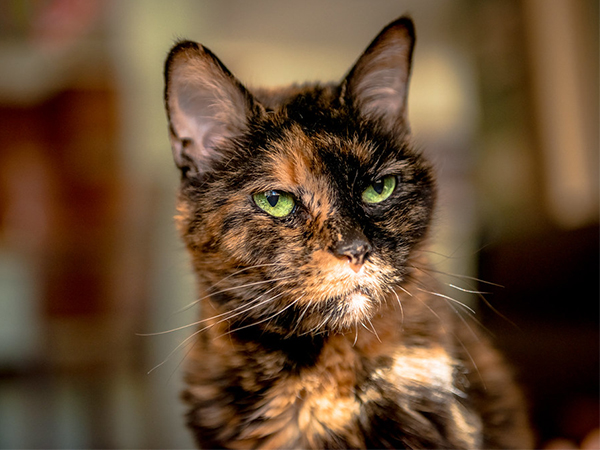
When most people think about adopting a pet, they picture playful puppies or curious kittens. While young animals are certainly adorable, senior dogs and cats are often overlooked in shelters and rescue organizations. Yet older pets have just as much love to give and can make wonderful, loyal, and rewarding companions.
Adopting a senior pet isn't just an act of kindness—it's an opportunity to welcome an animal with an established personality, familiar habits, and plenty of companionship to offer. Older pets may also be a particularly good fit for people looking for a calmer household routine.
Here are seven reasons why adopting a senior dog or cat could be one of the most rewarding decisions you make.
- An Established Personality and Temperament
One of the biggest advantages of adopting a senior pet is that their personality is already well established. With puppies and kittens, it can take considerable time to discover their adult temperament, energy level, and preferences.
Senior pets allow you to learn much more about who they are before bringing them home. Shelter staff and foster families can often provide insight into whether a particular dog or cat enjoys other animals, children, quiet environments, walks, playtime, or plenty of cuddles.
This information makes it easier to find a companion whose personality and activity level fit your household and lifestyle. - A More Manageable Energy Level
Many senior dogs and cats have a calmer energy level than young animals. While every pet is different, older companions are often happy to balance activity with plenty of rest.
A senior dog may still enjoy daily walks and playtime but may not require the constant exercise and stimulation that a young puppy does. Senior cats may also be content to spend time near their people, explore their surroundings, and relax in a favorite sunny spot.
This can make an older pet a good option for people who prefer a quieter routine or don't have the time to keep up with a highly energetic young animal. - Many Already Know Household Routines
Many senior pets have previously lived with families and may already understand basic household routines. Senior dogs may be house-trained and familiar with basic commands, while older cats may already be comfortable using a litter box and living indoors.
Of course, every animal is different, and a senior pet may need time to adjust to a new environment. Previous experiences, changes in routine, or time spent in a shelter can affect behavior.
Patience, consistency, and positive reinforcement can help an older pet settle into their new home and build trust with their new family. - A Special Opportunity to Build a Strong Bond
Senior pets can form incredibly meaningful relationships with their adopters. They may have experienced significant changes in their lives, including losing a previous home or spending time in a shelter.
Providing a safe, comfortable, loving environment allows an older animal to enjoy stability and companionship.
While it's tempting to assume every adopted senior pet will immediately show gratitude, each animal responds differently. What is consistent is the opportunity to build trust over time. Watching a once-anxious or uncertain pet become comfortable in a new home can be incredibly rewarding. - You're Giving an Often-Overlooked Pet a Second Chance
Senior animals can face additional challenges when looking for homes. Potential adopters may worry about age, medical expenses, or how much time they'll have together.
Choosing to adopt an older pet can make an especially meaningful difference. Instead of spending their later years in a shelter or rescue environment, a senior dog or cat can experience the comfort of a stable home.
Adoption also helps shelters and rescue organizations make room for other animals that need care. Your decision can have an impact that extends beyond the pet you bring home. - You Can Better Understand Their Health and Care Needs
When adopting a senior pet, you may have access to years of veterinary records and information about their history. A shelter or rescue organization may be able to provide details about vaccinations, previous medical conditions, medications, dietary needs, and other aspects of their care.
Senior pets can have age-related health needs, so prospective adopters should be prepared for regular veterinary care and potentially higher medical expenses. Before adoption, ask questions about the animal's known health history and schedule a veterinary examination after bringing them home.
Understanding their needs in advance allows you to make an informed decision and prepare for appropriate care. - Calm Companionship Can Fit Many Lifestyles
Senior pets can be wonderful companions for households that prefer a calmer pace. Their personalities and activity levels may make them well suited to people living in apartments, individuals who work from home, or families looking for a less demanding companion.
That doesn't mean every senior pet is naturally quiet or low-energy. Some older dogs still love long walks, and some senior cats remain playful and curious. The key is matching the individual animal with the right household.
Before adopting, talk with shelter or rescue staff about the pet's personality, exercise requirements, behavior, and compatibility with your home. The right match can make the transition easier for everyone.
Give a Senior Pet a Chance
It's easy to be drawn to the energy and playful behavior of a puppy or kitten, but senior dogs and cats have plenty to offer. Their established personalities, potentially calmer routines, and unique histories can make them wonderful companions.
Adopting an older pet does require thoughtful consideration. Veterinary care, medications, mobility needs, and other age-related concerns may become more important over time. However, understanding those needs before adoption can help you determine whether a senior pet is right for your household.
The next time you visit an animal shelter or rescue organization, don't overlook the gray muzzles and gentle faces. Take some time to meet the senior pets waiting for homes. You may discover a loyal companion whose personality is already a perfect match for your family—and give an older animal the second chance it deserves.