
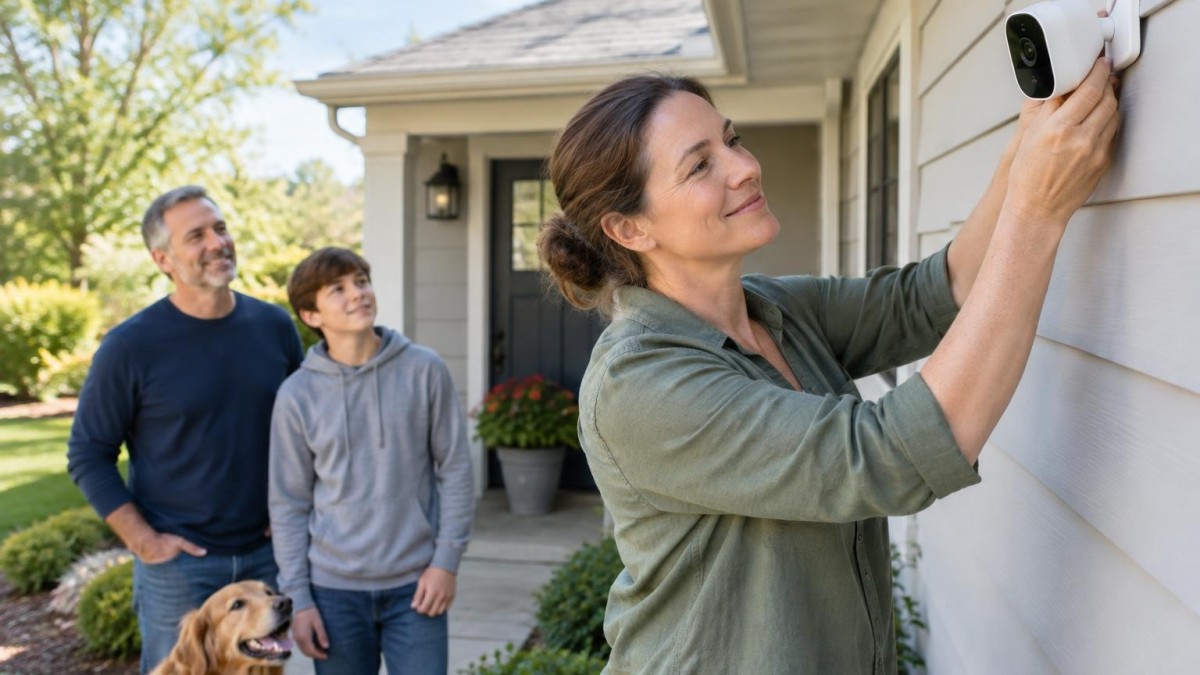
Why Home Security Matters for Your Insurance
Owning a home is one of life’s biggest investments, and protecting it takes more than just locking the doors. Installing security devices not only safeguards your property and loved ones but might also help reduce your homeowners insurance premiums. While safety is the main goal, understanding how insurers view security equipment can help you make informed decisions that could lead to savings.
What Insurers Look For in Home Security
When setting your insurance premium, companies consider many factors—like your home’s location, age, and previous claims. Security features often play a role because they can lower the chance or severity of losses. For example, monitored alarms can detect and respond quickly to break-ins, and smoke detectors can alert you early in case of fire.
That said, not all security devices automatically qualify you for a discount. Insurers vary widely on what they cover and the discounts they offer. It’s important to consult your insurance provider before investing in a system just to save money on premiums.
Common Security Features and Their Impact
Monitored Alarm Systems: Professionally monitored alarms protect against burglaries and sometimes fire or carbon monoxide. Many insurers offer discounts if the system meets their specifications, so check requirements ahead of time.
Security Cameras and Video Doorbells: These can deter intruders and provide valuable surveillance but rarely alone trigger insurance discounts. Integration with broader security setups could make a difference.
Smoke and Carbon Monoxide Detectors: These essential safety devices often qualify for discounts and, more importantly, save lives by providing early warnings.
Security Lighting: Motion-activated outdoor lights improve safety but typically don’t affect insurance rates on their own. They’re still a smart security addition.
Smart Home Technology: From smart locks to water-leak sensors, smart devices enhance protection and convenience. Some insurers recognize these for discounts, but offerings vary widely.
Getting the Most from Your Home Security Investment
Before purchasing security equipment, contact your insurer to find out what qualifies for discounts and if professional installation or certification is needed. Compare the cost of the system and its maintenance with any potential premium reduction to make sure the investment makes sense.
Keep all purchase and installation documents handy—your insurer may request proof to apply discounts. Also, regularly maintain and test your systems to keep them working effectively and to retain any insurance benefits.
Remember to review your insurance policy periodically, especially after installing new security features, to ensure you receive all eligible savings and adequate coverage.
Other Ways to Save on Homeowners Insurance
Aside from security improvements, you might lower premiums by increasing deductibles, bundling policies, or maintaining a claims-free history. Updating major home systems or thoughtful coverage adjustments can also help. Always prioritize sufficient coverage over simply reducing costs.
Protecting What Matters Most
Investing in home security offers peace of mind by reducing risks from burglars, fire, or water damage. While insurance discounts can be a nice bonus, the true value lies in protecting your home and family. Talk to your insurer about your security plans to make sure you get the best protection and any discounts you’re eligible for.
Newsletter Station provides professionally written, ready-to-send newsletters customized for your market and brand.
EXPLORE NEWSLETTER OPTIONS