
FEATURE ARTICLE
How to Identify and Manage Invasive Plants in Your Yard
Sep 2, 2026
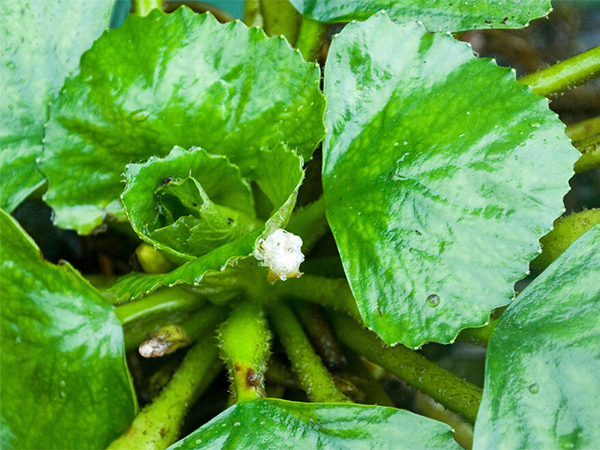
Your yard can be a place to relax, enjoy nature, and cultivate your favorite plants. But sometimes, plants you didn't intentionally add can begin taking over. Invasive plant species can spread quickly, crowd out native vegetation, reduce biodiversity, and disrupt local ecosystems.
Some invasive plants are introduced intentionally as ornamental plants, while others arrive through seeds, soil, wildlife, landscaping materials, or other means. Once established, they can be difficult and expensive to control.
Learning how to identify invasive plants in your yard and taking action early can help protect your garden, local wildlife, and surrounding natural areas. Here's what to look for and what you can do if you discover an invasive species.
What Are Invasive Plant Species?
An invasive plant is generally a non-native plant that causes environmental, economic, or other harm because of its ability to establish and spread rapidly in a new environment.
It's important to remember that not every non-native plant is invasive. Many introduced plants can grow successfully without causing significant problems. Invasive species are particularly concerning because they can spread aggressively and harm native ecosystems.
Invasive plants may compete with native species for sunlight, water, nutrients, and growing space. Some can also alter soil conditions, disrupt natural habitats, or offer less nutritional value to native wildlife than the plants they replace.
How to Identify Invasive Plants in Your Yard
Identifying a plant as invasive isn't always as simple as noticing that it is growing quickly. Many desirable garden plants are vigorous growers as well. Look for several characteristics and, when you're unsure, use a reliable local plant identification resource before removing a plant.
The invasive species found in your yard will depend on your location and climate. Some species that are considered invasive in one region may not be classified the same way elsewhere. Always check local resources for the most accurate information.
Examples of invasive plants found in parts of the United States include:
Japanese Knotweed
Japanese knotweed is a highly aggressive perennial that can form dense stands. It has bamboo-like stems, broad leaves, and small clusters of pale flowers. Its extensive underground rhizome system makes established populations particularly difficult to control.
English Ivy
English ivy is a familiar climbing vine that can spread across the ground and climb trees. Heavy growth can cover tree trunks and branches, competing with vegetation and adding weight to trees.
Purple Loosestrife
Purple loosestrife produces tall spikes of purple flowers and can spread aggressively in wetlands and other moist environments. Large populations can displace native wetland vegetation and alter habitat.
Kudzu
Kudzu is an extremely fast-growing vine that can cover trees, shrubs, and structures. It is especially problematic in areas where its rapid growth overwhelms existing vegetation.
Garlic Mustard
Garlic mustard is a biennial plant commonly associated with wooded areas. It produces small white flowers and can form dense populations that compete with native woodland plants.
Because invasive plant lists vary by state, check with your state environmental, agricultural, or natural resources agency when determining whether a particular plant is invasive in your area.
What to Do If You Find an Invasive Plant
Once you've identified a potentially invasive species, avoid simply cutting it down without understanding how it spreads. Some plants can regenerate from roots, rhizomes, or small pieces of plant material.
Prevention is often easier than controlling an established infestation. Before purchasing a new plant, research its growth habits and check whether it is considered invasive in your area.
Avoid planting species known to spread aggressively, particularly near natural areas, waterways, or undeveloped land. Also be cautious about moving soil, mulch, or plant material from one location to another, as these materials can sometimes carry seeds or plant fragments.
Regularly walking through your property and looking for unusual growth can help you catch potential problems before they become widespread.
Protect Your Yard and Local Ecosystem
Invasive plants can be challenging to identify and control, but early detection can make management much easier. Regularly inspecting your yard, learning which invasive species are common in your region, and choosing appropriate replacement plants can help protect your landscape and the surrounding environment.
If you discover a plant you're not familiar with, don't assume it needs to be removed immediately. First, identify it and determine whether it is actually invasive in your area. Then choose the appropriate control method based on the species and the extent of the infestation.
With regular maintenance and informed plant choices, you can maintain an attractive, diverse yard while helping protect native plants and local ecosystems.
Some invasive plants are introduced intentionally as ornamental plants, while others arrive through seeds, soil, wildlife, landscaping materials, or other means. Once established, they can be difficult and expensive to control.
Learning how to identify invasive plants in your yard and taking action early can help protect your garden, local wildlife, and surrounding natural areas. Here's what to look for and what you can do if you discover an invasive species.
What Are Invasive Plant Species?
An invasive plant is generally a non-native plant that causes environmental, economic, or other harm because of its ability to establish and spread rapidly in a new environment.
It's important to remember that not every non-native plant is invasive. Many introduced plants can grow successfully without causing significant problems. Invasive species are particularly concerning because they can spread aggressively and harm native ecosystems.
Invasive plants may compete with native species for sunlight, water, nutrients, and growing space. Some can also alter soil conditions, disrupt natural habitats, or offer less nutritional value to native wildlife than the plants they replace.
How to Identify Invasive Plants in Your Yard
Identifying a plant as invasive isn't always as simple as noticing that it is growing quickly. Many desirable garden plants are vigorous growers as well. Look for several characteristics and, when you're unsure, use a reliable local plant identification resource before removing a plant.
-
Unfamiliar or Unexpected Plants
An unfamiliar plant isn't automatically invasive, but an unexpected plant deserves a closer look. Plants can enter your yard through wind, birds, animals, contaminated soil, or seeds carried from nearby properties.
If you don't remember planting something, identify it before it spreads. -
Rapid or Aggressive Growth
Some invasive plants establish themselves quickly and can outgrow surrounding vegetation. You may notice a plant expanding significantly in a single growing season or appearing in multiple areas of your property.
Rapid growth alone isn't proof that a plant is invasive, but it can be an important warning sign when combined with aggressive spreading or dense growth. -
Abundant Seed Production
Many invasive plants produce large quantities of seeds, making it easy for them to establish new populations.
Watch for plants that develop numerous seed heads, pods, or berries. If a plant is producing seeds throughout your yard, avoid letting those seeds mature and spread until you've determined which species you're dealing with. -
Spreading Through Roots, Rhizomes, or Runners
Some invasive plants spread beyond their original location through underground rhizomes, roots, or above-ground runners. A plant that continues appearing several feet away from where it was originally growing may be spreading vegetatively.
Removing only the visible portion may not be enough if roots or rhizomes remain underground. -
Dense, Monoculture-Like Growth
Invasive plants can sometimes form dense stands in which one species dominates an area. As they spread, native flowers, grasses, shrubs, and other vegetation may become less common.
A sudden change in the plant diversity of your yard or a nearby natural area can be a reason to investigate further. -
Declining Native Plants
Pay attention to the plants that have traditionally grown well in your yard. If native plants begin disappearing as another species becomes increasingly dominant, the new growth may be contributing to the problem.
Keeping a simple record or taking photographs throughout the growing season can make changes easier to recognize.
The invasive species found in your yard will depend on your location and climate. Some species that are considered invasive in one region may not be classified the same way elsewhere. Always check local resources for the most accurate information.
Examples of invasive plants found in parts of the United States include:
Japanese Knotweed
Japanese knotweed is a highly aggressive perennial that can form dense stands. It has bamboo-like stems, broad leaves, and small clusters of pale flowers. Its extensive underground rhizome system makes established populations particularly difficult to control.
English Ivy
English ivy is a familiar climbing vine that can spread across the ground and climb trees. Heavy growth can cover tree trunks and branches, competing with vegetation and adding weight to trees.
Purple Loosestrife
Purple loosestrife produces tall spikes of purple flowers and can spread aggressively in wetlands and other moist environments. Large populations can displace native wetland vegetation and alter habitat.
Kudzu
Kudzu is an extremely fast-growing vine that can cover trees, shrubs, and structures. It is especially problematic in areas where its rapid growth overwhelms existing vegetation.
Garlic Mustard
Garlic mustard is a biennial plant commonly associated with wooded areas. It produces small white flowers and can form dense populations that compete with native woodland plants.
Because invasive plant lists vary by state, check with your state environmental, agricultural, or natural resources agency when determining whether a particular plant is invasive in your area.
What to Do If You Find an Invasive Plant
Once you've identified a potentially invasive species, avoid simply cutting it down without understanding how it spreads. Some plants can regenerate from roots, rhizomes, or small pieces of plant material.
-
Confirm the Identification
Before removing an unfamiliar plant, make sure you've correctly identified it. Take clear photographs of the leaves, flowers, stems, and overall plant and compare them with information from a trusted local source.
Proper identification is important because control methods vary considerably from one species to another. -
Remove It Carefully
For small infestations, hand-pulling or digging may be effective for certain species. Be sure to remove as much of the root system as practical and follow species-specific recommendations.
For larger or well-established infestations, professional assistance or carefully selected herbicide treatments may be necessary. If herbicides are used, always follow the product label and applicable local regulations. -
Dispose of Plant Material Properly
Don't automatically add invasive plants to your home compost pile. Some species can survive through seeds, roots, rhizomes, or other plant fragments.
Secure plant material as appropriate and follow your local guidance for disposal. Requirements can vary by community and by species. -
Watch for Regrowth
Removing an invasive plant once doesn't always solve the problem. Seeds may remain in the soil, or roots and rhizomes may produce new growth.
Inspect the area regularly during the growing season and remove or treat new growth according to the recommended control method. -
Replace It With Appropriate Plants
Once an invasive plant has been removed, consider replacing it with native or non-invasive plants that are well suited to your property's growing conditions.
Native plants can provide food and habitat for local wildlife while also helping create a diverse, healthy landscape. Choose plants based on your region, soil, sunlight, moisture, and available space.
Prevention is often easier than controlling an established infestation. Before purchasing a new plant, research its growth habits and check whether it is considered invasive in your area.
Avoid planting species known to spread aggressively, particularly near natural areas, waterways, or undeveloped land. Also be cautious about moving soil, mulch, or plant material from one location to another, as these materials can sometimes carry seeds or plant fragments.
Regularly walking through your property and looking for unusual growth can help you catch potential problems before they become widespread.
Protect Your Yard and Local Ecosystem
Invasive plants can be challenging to identify and control, but early detection can make management much easier. Regularly inspecting your yard, learning which invasive species are common in your region, and choosing appropriate replacement plants can help protect your landscape and the surrounding environment.
If you discover a plant you're not familiar with, don't assume it needs to be removed immediately. First, identify it and determine whether it is actually invasive in your area. Then choose the appropriate control method based on the species and the extent of the infestation.
With regular maintenance and informed plant choices, you can maintain an attractive, diverse yard while helping protect native plants and local ecosystems.