
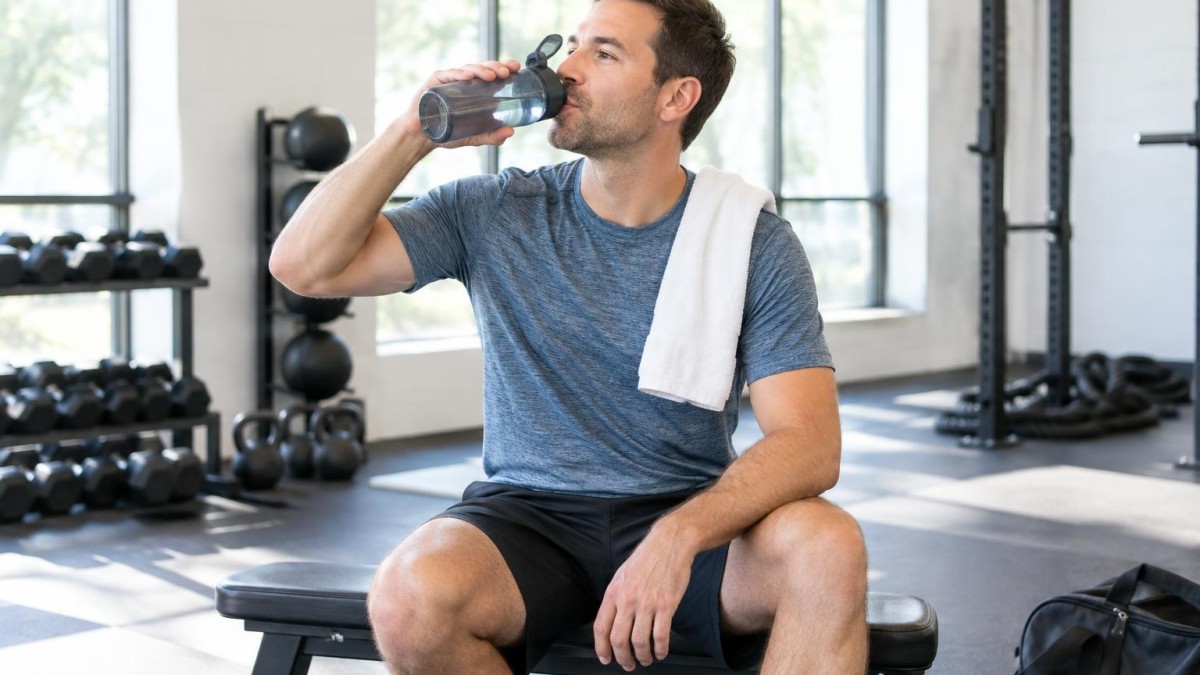
Start Your Day Hydrated
Proper hydration isn’t something to kick off only when your workout begins; it’s a daily habit. Drinking water steadily throughout the day helps ensure you start exercising well-hydrated and ready to perform. Instead of gulping large amounts of water right before working out, make consistent sipping part of your routine.
Keep Sipping Regularly
During exercise, don’t wait until you're parched to drink. Taking small, frequent sips supports sustained hydration, especially during longer sessions or when you sweat heavily. Your personal hydration needs can vary depending on your size, workout intensity, environment, and sweat rate, so carrying a water bottle can make regular drinking easy and convenient.
Remember Electrolytes
Sweat doesn’t just carry away water — it also removes electrolytes like sodium, which are crucial for muscle and nerve function. While water is usually fine for shorter or less intense workouts, replenishing electrolytes can be important during intense or prolonged exercise. Sports drinks, electrolyte tablets, or powders can help, but watch out for extra sugars in these products.
Explore Natural Alternatives
Coconut water is a natural fluid replenisher packed with potassium and other electrolytes. It’s a refreshing post-workout drink, though its sodium content might be lower than specialized sports beverages. Choose what suits your workout intensity and taste.
Adapt to the Weather
Hot and humid conditions increase sweat and fluid loss, so you may need to up your hydration game on such days. Try exercising during cooler times, wear breathable clothing, and lower workout intensity if it’s very warm. Always watch for signs of heat stress like dizziness or nausea and act accordingly.
Hydrate Through Food
Don’t overlook hydrating foods as part of your fluid intake. Fruits and vegetables with high water content—think watermelon, cucumbers, and oranges—provide hydration plus nutrients that support recovery and energy.
Mind Your Caffeine and Alcohol
Moderate caffeine intake can be compatible with exercise, but too much might cause jitters or stomach issues. Alcohol, in contrast, can dehydrate you and impair your coordination, so it’s best avoided before and after workouts.
Listen to Your Body’s Signals
Thirst, dry mouth, and fatigue can signal mild dehydration, but if you notice severe dizziness or confusion during exercise, stop immediately and seek help. People with specific health issues should follow their doctor's hydration guidelines.
Making hydration part of your daily and workout routine ensures you stay energized, perform well, and recover efficiently. By paying attention to your body, environment, and activity level, you’ll find a hydration rhythm that keeps you feeling your best every step of your fitness journey.
Newsletter Station provides professionally written, ready-to-send newsletters customized for your market and brand.
EXPLORE NEWSLETTER OPTIONS