
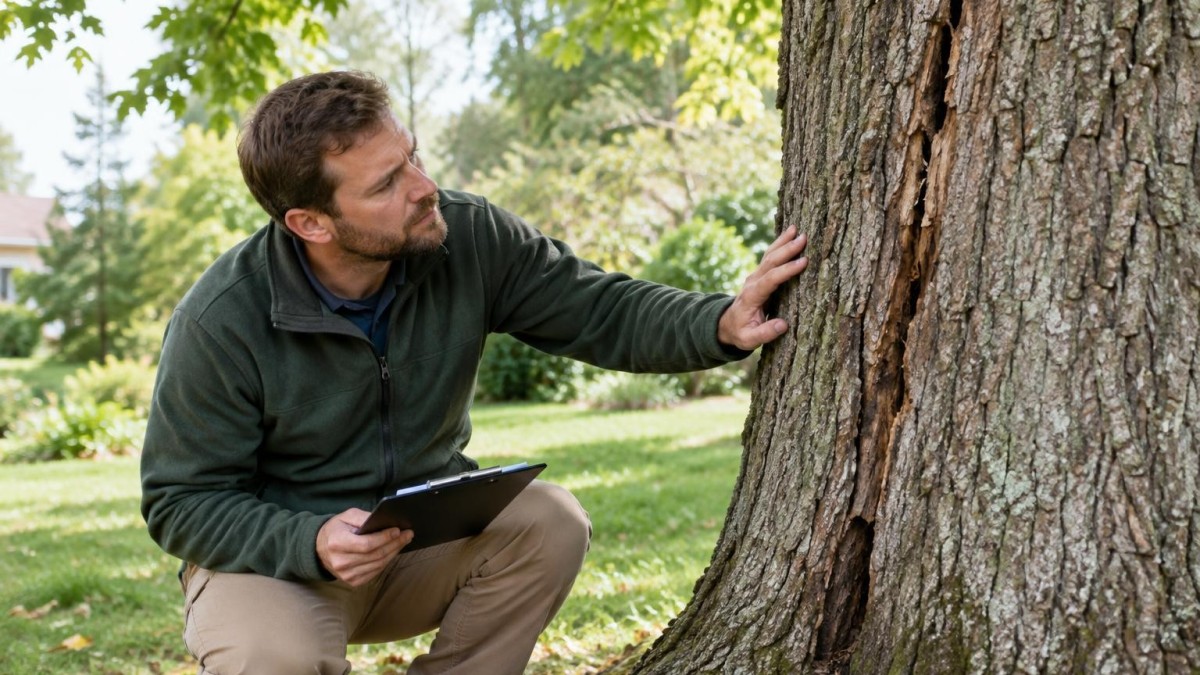
Recognizing the Causes of Tree Cracks
Discovering a crack in one of your landscape trees can be concerning, especially if you value the shade, beauty, and wildlife habitat it provides. Cracks often result from storm damage such as high winds, ice, or lightning strikes, which put sudden stress on trunks and branches. Mechanical factors like lawn equipment impacts or construction activities may also cause cracks and wounds that weaken a tree over time. In addition, structural weaknesses at branch unions—particularly where included bark is present—can lead to splitting as the tree grows or during severe weather. Internal decay from fungi or disease further compromises a tree's strength, sometimes without obvious external signs. Even rapid temperature changes and sunscald on thin bark can cause bark to crack, though these often pose less structural risk.
Evaluating the Severity of the Crack
Not all cracks require drastic action, but it’s crucial to carefully assess their location and depth. Deep cracks through the main trunk or at significant branch junctions are usually more worrisome than superficial bark splits. Watch for separation or any movement in the cracked areas during wind, which suggests instability. Avoid probing or prying cracks yourself, as this can cause further injury. Inspect the overall health of the tree too, noting any dead branches, thinning foliage, fungal growth, or cavities that may hint at internal problems. Keeping people and property clear from a potentially failing tree or branch is essential until you have a professional opinion.
Taking Care of Cracked Trees Safely
When a tree crack is significant or in a high-risk area, contacting a certified arborist is the safest step. Professionals can thoroughly evaluate structural integrity and the tree’s health, recommending whether pruning, bracing, or removal is appropriate. Removing cracked branches safely often requires special equipment and expertise, so avoid DIY attempts on large or elevated limbs. Modern care discourages filling cracks with sealants or cement, as trees have natural ways to isolate injuries and these treatments may do more harm than good. If the arborist determines the tree is stable, regular monitoring with photos is prudent to catch any changes early.
Routine tree inspections and mindful maintenance reduce risks over time. Proper pruning encourages strong structure, while protecting trunks and roots from injury supports long-term health. Maintaining soil moisture during drought and using mulch correctly adds extra care without inviting decay. Prompt attention after storms goes a long way toward catching weaknesses while they’re manageable.
While a cracked tree can be alarming, many can continue providing shade, aesthetics, and environmental benefits when managed correctly. Partnering with a qualified arborist ensures your tree’s safety and longevity, protecting your property and loved ones alike.
Newsletter Station provides professionally written, ready-to-send newsletters customized for your market and brand.
EXPLORE NEWSLETTER OPTIONS