
Getting Started with Plant Propagation
Have you ever admired a flourishing garden or an impressive indoor plant display and wished you could multiply your favorite plants? Plant propagation through cuttings is an affordable and rewarding way to grow new plants from the ones you already love. Whether you're looking to expand your garden or share plants with friends, learning how to take and root cuttings can unlock new possibilities.
Choosing and Preparing Cuttings
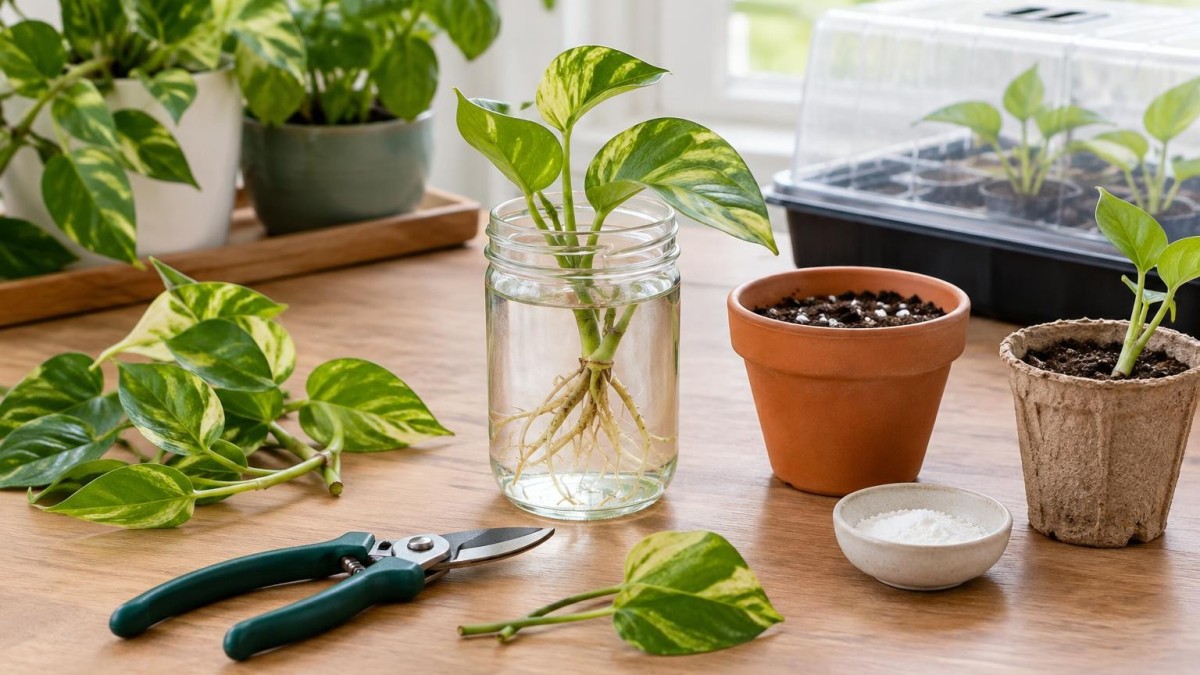
Start by selecting healthy parent plants free from disease, pests, or stress. Popular choices for propagation include pothos, philodendrons, mint, basil, and many garden shrubs. Using clean, sharp scissors or pruning shears, take a cutting just below a node—the spot where leaves or buds emerge, which is where roots are most likely to grow.
Remove the lower leaves from the cutting, leaving enough foliage at the top to support photosynthesis but avoiding leaves that would be submerged in water or buried in soil to prevent rot. Rooting hormone is optional but can encourage faster root development on certain species; if you use it, follow the instructions carefully.
Water vs. Soil: Choosing a Propagation Medium
There are two common methods for rooting cuttings: water and soil. Water propagation lets you watch roots form firsthand. Use a clean container with fresh water and submerge the node while keeping leaves above water. Change the water regularly to maintain cleanliness. Once the roots are a few inches long, transplant the cutting into a well-draining potting mix.
Some plants root best directly in soil. Prepare a moist but well-draining propagation mix and make a small hole to insert the cutting, firming the soil gently around it. Keep the soil moist but avoid waterlogging to prevent rot.
Creating the Right Environment and Patience
Place your cuttings in bright, indirect light to prevent wilting or burning. Maintaining humidity can help, so consider using a clear humidity dome or plastic cover with some ventilation. Keep an eye out for mold or rot, and adjust conditions as needed.
Root development times vary, so patience is key. Avoid frequently disturbing the cutting to check for roots and look for signs of new growth instead. When roots are well-established, transplant carefully to an appropriately sized pot and gradually transition the plant to its normal environment.
Exploring Other Propagation Techniques
Beyond cuttings, you might try other methods like division, offsets, layering, or seed propagation depending on the plant species. Experimenting with different techniques can broaden your gardening skills and plant collection opportunities.
Avoiding Common Mistakes
Take care to avoid common pitfalls: always start with healthy plants, use clean tools, avoid overwatering, protect cuttings from harsh sunlight, and don't bury leaves below the soil. Each plant has unique needs, so research the specific requirements for the best results.
Propagation can take practice, so don’t be discouraged by early failures. With time, your confidence and success rate will grow alongside your plants.
By mastering propagation from cuttings, you can multiply your garden favorites efficiently, save money, and enjoy sharing new plants with your community. It's a rewarding way to bring more green into your life and those around you.
Newsletter Station provides professionally written, ready-to-send newsletters customized for your market and brand.
EXPLORE NEWSLETTER OPTIONS