
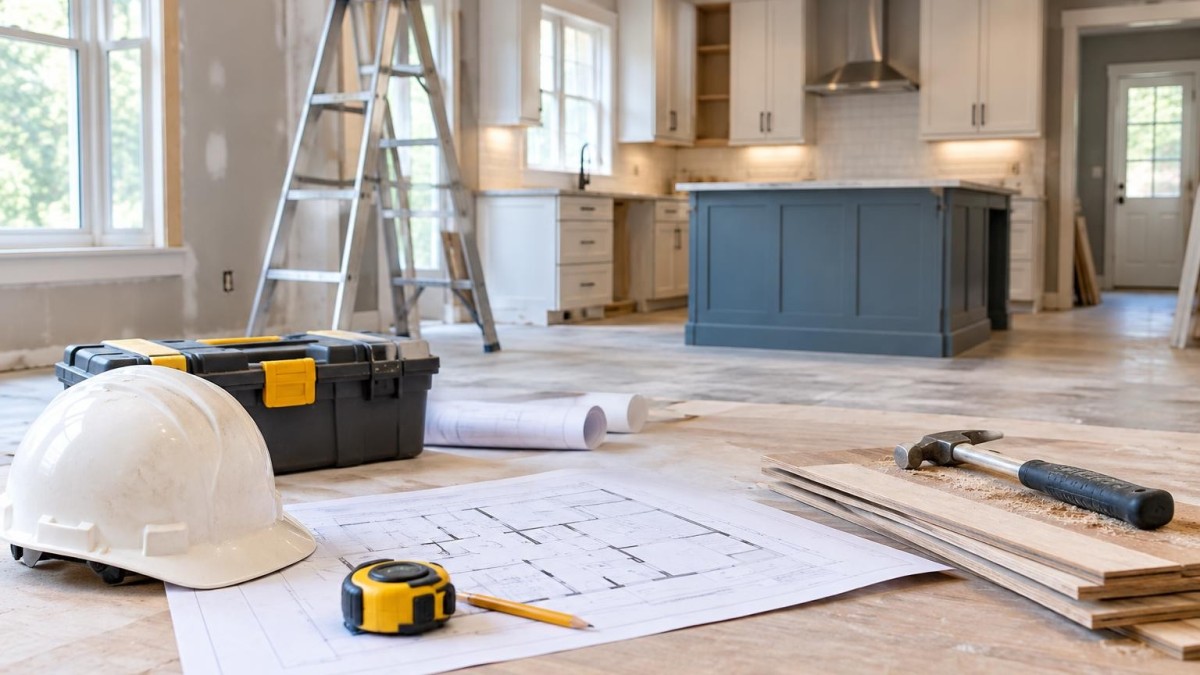
Home renovations bring new life and value to your property, whether you're expanding rooms, upgrading systems, or modernizing your space. But these exciting changes can also influence your homeowners insurance in important ways.
Adjusting Coverage to Match Your Renovation
Renovations often increase your home's replacement cost — the amount it would take to rebuild after damage — which is the key figure for most homeowners policies. Adding square footage, upgrading materials, or finishing basements typically raises rebuilding expenses, so your dwelling coverage may need an increase.
Additionally, new appliances, electronics, or furnishings purchased during renovations can heighten the value of your personal property. It’s wise to inventory these upgrades and consider whether your policy adequately covers higher-value belongings. Some special items might require separate endorsements or higher limits.
Managing New Risks During and After Construction
Construction can expose your property to additional risks. Contractors and workers on site, along with construction materials and equipment, can raise the chances of accidents or damage. Before work starts, make sure your contractors have proper liability insurance and workers’ compensation to protect everyone involved.
For major projects, specialized policies like builder's risk insurance might be recommended. This coverage protects the building and materials while work is ongoing and can fill gaps not covered by your standard homeowners policy.
Also, some renovations add features that increase liability exposure, such as pools, hot tubs, trampolines, or detached structures. These often require additional coverage or safety measures, so report such changes to your insurer promptly to keep your policy current.
Potential Premium Changes and Protecting Your Investment
Not all renovations raise costs. Upgrades like enhanced electrical systems, new plumbing, security alarms, or fire detection might qualify for insurance discounts by reducing risk. On the other hand, projects increasing home value or liability exposure can lead to higher premiums — so it's crucial to discuss potential impacts with your insurer.
Keep thorough records of your renovation, including contracts, permits, photos, and receipts. This documentation supports claim processes if needed and helps verify improvements and their cost when updating coverage.
Before you start remodeling, contact your insurance company to discuss your plans. This ensures your policy keeps pace with your home's evolving value and features, avoiding coverage gaps. After the renovation, review your policy again to confirm all changes are accounted for.
By staying proactive and communicating with your insurer, you can enjoy your renovated home with peace of mind, knowing your investment and family are well protected.
Newsletter Station provides professionally written, ready-to-send newsletters customized for your market and brand.
EXPLORE NEWSLETTER OPTIONS