
Understanding the Weeds in Your Yard
Weeds are more than just unsightly guests; they compete with your lawn and garden plants for essential nutrients, water, and sunlight. The first step in tackling them effectively is to identify the types of weeds you’re facing. Weeds vary widely, including broadleaf, grassy, and sedge varieties, and can be annual, biennial, or perennial. Knowing what you’re dealing with helps you choose the best control methods and anticipate whether they may return from roots or seeds.
Simple and Effective Weed Removal Techniques
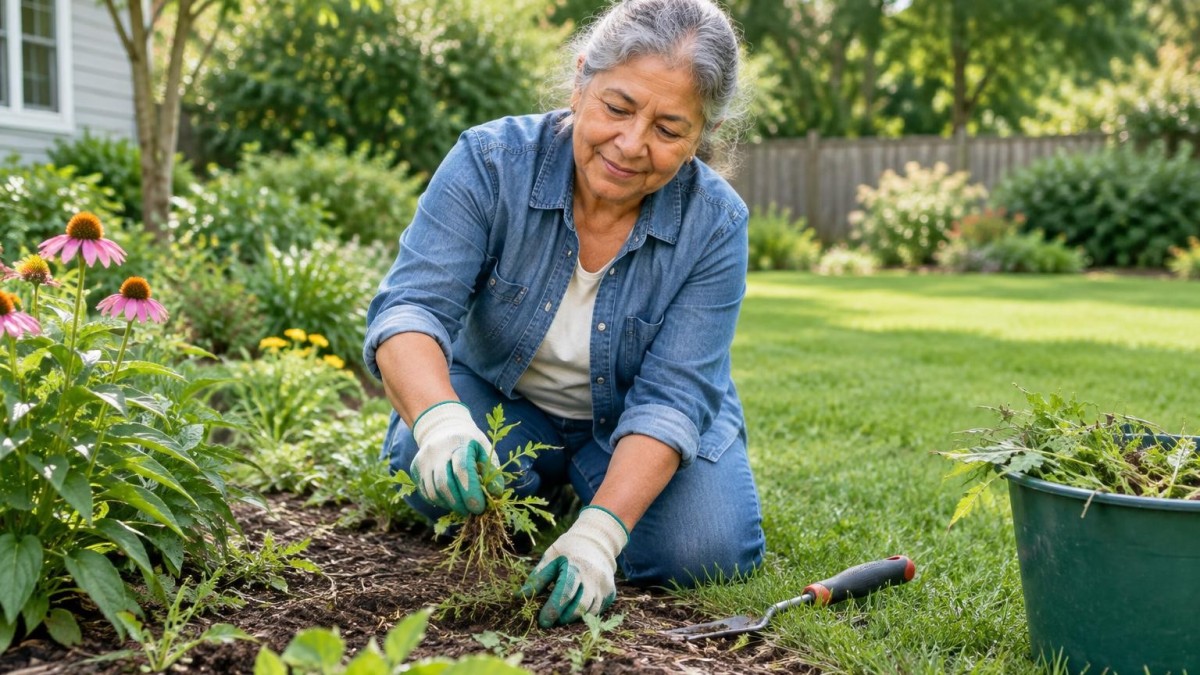
For smaller weed problems, hand-pulling can be surprisingly effective. Try to remove weeds when the soil is moist to ease root extraction. Use steady, gentle pulling rather than yanking to avoid breaking roots. Tools like hand weeders or dandelion diggers can assist with stubborn roots. After removal, check regularly for regrowth, especially with perennials.
Mulching your garden beds is also a powerful preventive method. Applying a good layer of organic mulch blocks sunlight, discourages weed seeds from germinating, and preserves soil moisture. Just be sure not to pile mulch directly against plant stems to avoid damage. For challenging spots, landscape fabric can help but requires careful management.
Maintain a Lawn That Resists Weeds
A thick, healthy lawn naturally suppresses weed growth. Mow according to your grass type’s recommended height to avoid stressing your turf, which can create an opening for weeds. Regular watering, balanced fertilization, overseeding bare patches, and proper lawn care encourage strong, dense grass that outcompetes weeds.
Prevent weeds from setting seed by removing them promptly, focusing on edges and overlooked areas like fences and sidewalks. Dispose of mature weeds thoughtfully, as some can survive in compost. Always check local guidelines for safe disposal.
Smart Use of Tools and Herbicides
Choosing the right tools—hand weeders for precise removal, garden hoes for larger areas, or long-handled weeders to ease strain—makes the job easier and reduces damage to nearby plants. Keep tools clean and sharp for the best results.
Herbicides can be helpful but require careful use. Opt for selective products when possible, follow all label instructions, avoid windy days, and protect children, pets, and desirable plants. Remember that "natural" products aren’t necessarily harmless, so handle all weed control substances cautiously.
Prevent and Stay Ahead
Disturbing soil too often can bring dormant seeds to the surface and encourage weed growth. Limit digging and turning of soil when possible, relying more on mulch and targeted weeding. Early intervention is key; regularly inspect your yard and pull young weeds before they establish.
Preventing weeds from ever taking hold is the best strategy. Keep beds mulched, turf healthy, and avoid introducing weed seeds via soil or mulch. Consistency in maintenance can greatly reduce the time and effort needed to keep your yard looking its best.
By integrating identification, timely removal, good lawn care, proper use of tools and herbicides, and prevention, you create a resilient yard that resists weeds. This balanced approach means less time fighting weeds and more time enjoying your outdoor space.
Newsletter Station provides professionally written, ready-to-send newsletters customized for your market and brand.
EXPLORE NEWSLETTER OPTIONS