
Starting on Neutral Ground
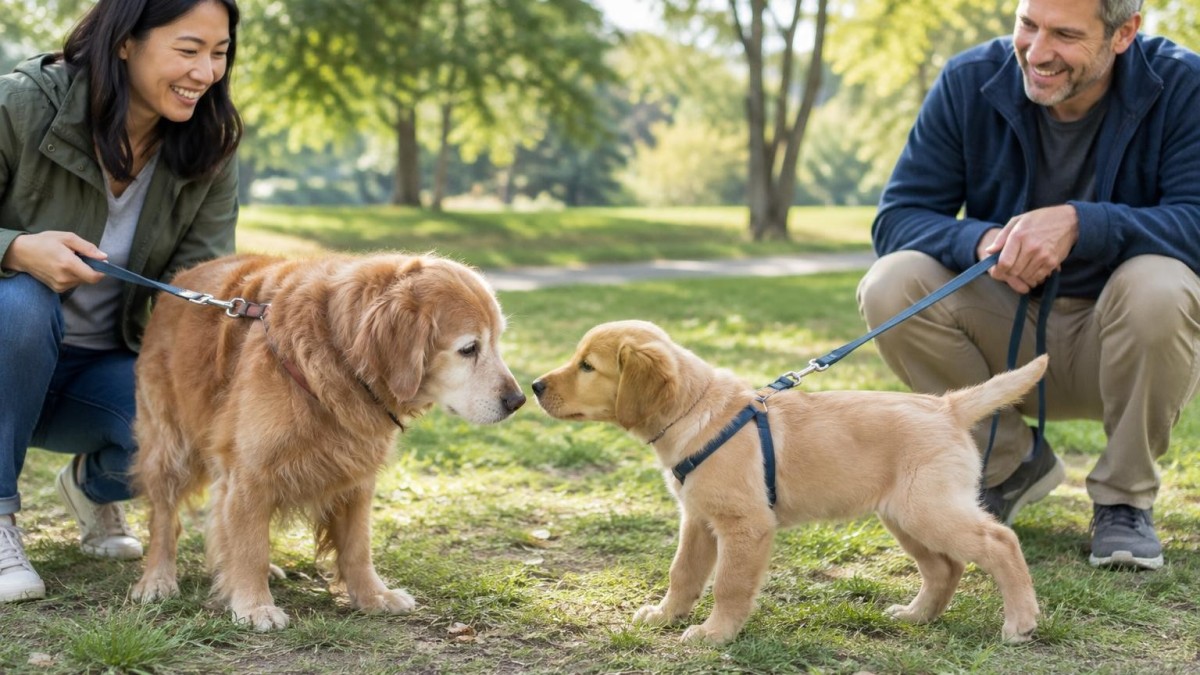
Introducing a new puppy to your older dog can be a joyful but delicate process. To set the stage for a peaceful relationship, begin with the first meeting in a neutral, calm location outside your home—like a quiet park or a friendly neighbor's yard. This helps avoid territorial behavior and allows both dogs to meet without the pressure of defending their space.
Manage the First Interaction
Keep both dogs on secure leashes, but allow enough slack for natural movement and exploration. Avoid forcing interactions; let them approach or step away as they choose. Watch their body language closely. Signs of relaxed curiosity—like gentle sniffing or casual glances—are good indicators that they’re comfortable. If you see tension such as stiff posture, growling, or avoidance, give them more space or end the meeting for the day to try again later.
Patience and Positive Reinforcement
Remember, building a bond takes time. Don’t expect them to become instant friends. Reward calm and friendly behavior from both dogs with treats and praise to create positive associations. Keep early meetings short and gradually increase the time they spend together as they adjust.
Protect Your Older Dog’s Comfort
Provide your older dog with a quiet retreat where the puppy cannot disturb them. Puppies are often playful and persistent, so a safe space helps your older dog relax and sets healthy boundaries early on. Respect your older dog’s signals to give space.
Bring Your Puppy Home Gradually
Once the initial meetings go well, introduce the puppy into your home slowly. Use baby gates or crates to allow the dogs to get used to each other's scent and presence without direct contact. Manage resources like food, toys, and resting spots carefully to avoid competition, and always supervise their interactions until you’re confident they get along well.
Maintain Routines and Individual Attention
Keep your older dog’s daily routine as normal as possible to provide stability. Also, balance your time so each dog gets individual exercise, training, and attention. This helps reduce jealousy and strengthens your bond with both pets.
When to Seek Help
If conflicts occur or if either dog shows signs of serious stress or aggression, don’t hesitate to consult a professional trainer or behaviorist. Early guidance can prevent problems from escalating and support a safe, happy home for all.
Introducing a new puppy to an older dog is a journey of patience, respect, and understanding. By taking thoughtful steps and paying attention to both dogs’ needs, you’ll pave the way for a harmonious and rewarding relationship that grows stronger over time.
Newsletter Station provides professionally written, ready-to-send newsletters customized for your market and brand.
EXPLORE NEWSLETTER OPTIONS