
Prepare Your Walls Carefully
Painting plaster walls starts with thorough preparation. Inspect your walls for cracks, holes, or any peeling paint and take the time to patch and repair these areas. Minor imperfections can be smoothed over with patching compounds, but larger damage might require more extensive fixing. Be gentle with sanding—especially in older homes—to avoid disturbing historic paint layers or risking exposure to lead-based paint.
Prime for Uniformity
Priming plaster is key because its porous surface can absorb paint unevenly. A good primer seals the wall so that your paint goes on smoothly and looks consistent. Choose a primer suited to your plaster’s condition—whether new or repaired—and follow the manufacturer’s guidelines carefully to prepare the surface for painting.
Choose the Right Paint and Finish
Modern acrylic latex paint works well on plaster walls, offering durability and a range of finishes. Matte or eggshell finishes help mask minor texture imperfections, while satin provides easier cleaning. Opt for a lower sheen for older walls with more texture to achieve a balanced look. Purchase enough paint to cover your project fully and keep some extra for touch-ups, ensuring consistent color throughout.
Use Proper Techniques for a Smooth Look
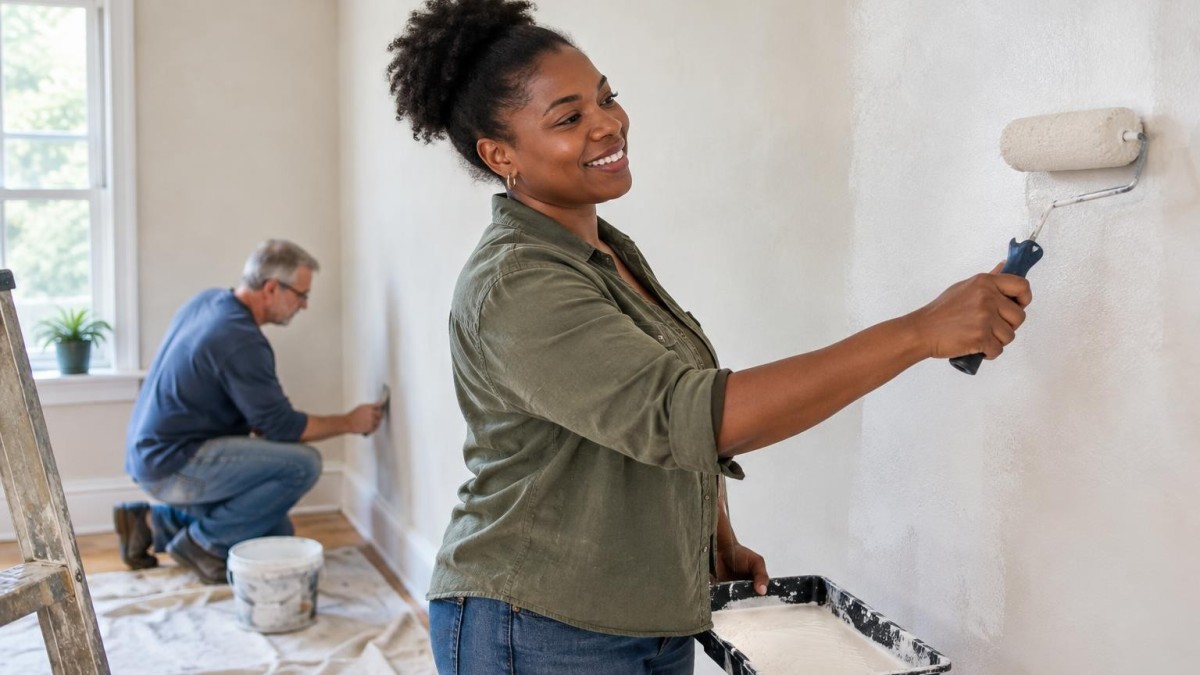
Apply paint with care using quality brushes for edges and rollers suited to your wall's texture for larger areas. Maintain a wet edge while painting to avoid overlap marks, and apply multiple thin coats instead of one thick one, allowing each to dry completely. Be mindful of the plaster’s condition, and avoid pressing too hard with brushes or rollers to prevent highlighting imperfections.
Be Patient with Drying and Curing
Paint might feel dry before it’s fully cured, so allow plenty of time between coats to avoid smudging or uneven coverage. Keep the room well-ventilated but avoid strong drafts that might blow dust onto your fresh paint. After finishing, wait before cleaning or placing furniture against the walls to preserve your hard-earned finish.
Keep the Character of Older Walls
Older plaster walls often have unique textures and slight imperfections that contribute to their charm. It’s okay if not every flaw disappears—sometimes these character marks are what make plaster so special. But if you encounter significant damage or moisture issues, addressing those before painting is crucial to prevent future problems.
By focusing on these preparation and painting steps, your plaster walls will look refreshed and maintain their lasting appeal. Taking your time and using the right materials helps you achieve a beautiful, durable finish that showcases the best of plaster’s classic beauty.
Newsletter Station provides professionally written, ready-to-send newsletters customized for your market and brand.
EXPLORE NEWSLETTER OPTIONS