
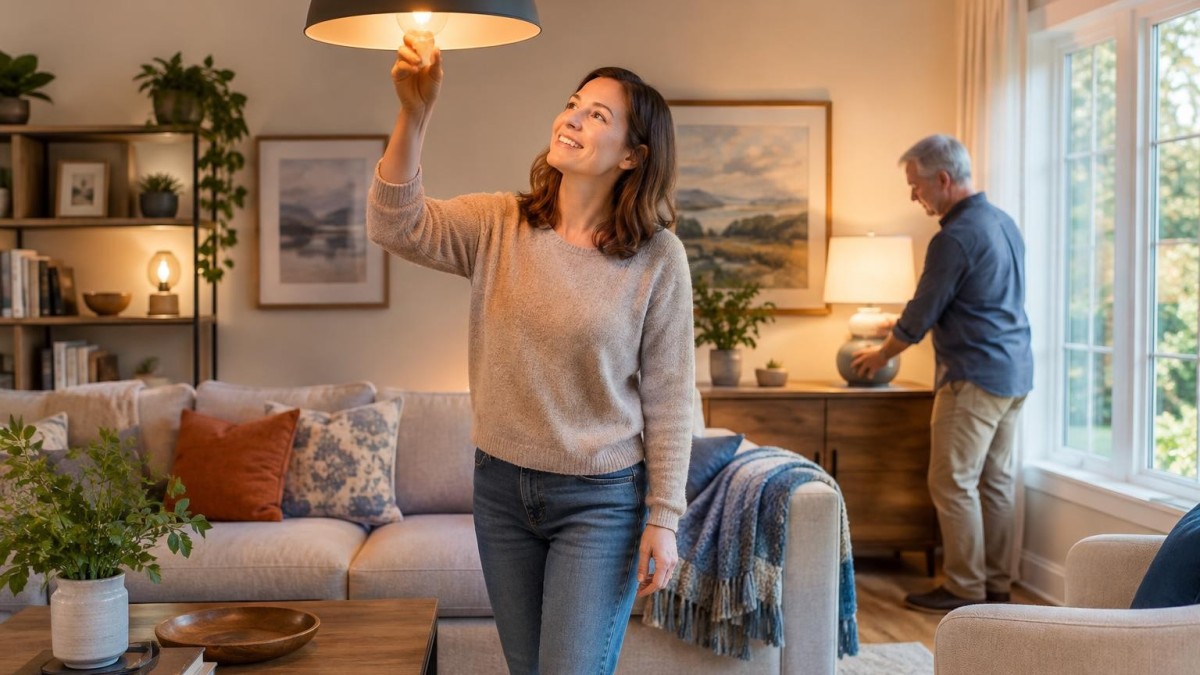
Lighting Shapes Mood and Function
When designing interiors, the role of lighting goes far beyond mere illumination. It sets the tone, influences how a space feels, and determines how well it functions. Warm tones in lighting foster a cozy, inviting ambiance perfect for living rooms and bedrooms. In contrast, cooler light energizes spaces like kitchens and home offices, helping improve focus and alertness. Adjustable lighting systems, including dimmers, allow rooms to transition smoothly from functional daylight settings to relaxed evening atmospheres.
Enhancing Space and Style
Strategically placed lighting can accentuate architectural features and elevate decorative elements. Accent lights spotlight artworks or unique textures, adding depth and visual interest. Proper illumination can make a room appear larger and more welcoming by balancing light sources to minimize shadows. Incorporating layered lighting—combining ambient, task, and accent layers—adds versatility, enriching both aesthetics and usability.
Practical Benefits and Energy Awareness
Beyond beauty, lighting improves safety and supports daily activities. Task lighting focuses on specific needs, such as reading or cooking, while general lighting ensures overall visibility. Natural daylight plays a critical role, shifting throughout the day to affect colors and mood. Utilizing window treatments, mirrors, and reflective surfaces helps maximize natural light while controlling glare. Energy-efficient options like LED bulbs and smart controls not only reduce costs but also deliver high-quality light tailored to your lifestyle.
Incorporating thoughtful lighting strategies transforms interiors into inviting, functional, and dynamic spaces. By considering how light affects perception, mood, and activity, homeowners and designers can create rooms where every detail shines just right.
Newsletter Station provides professionally written, ready-to-send newsletters customized for your market and brand.
EXPLORE NEWSLETTER OPTIONS