
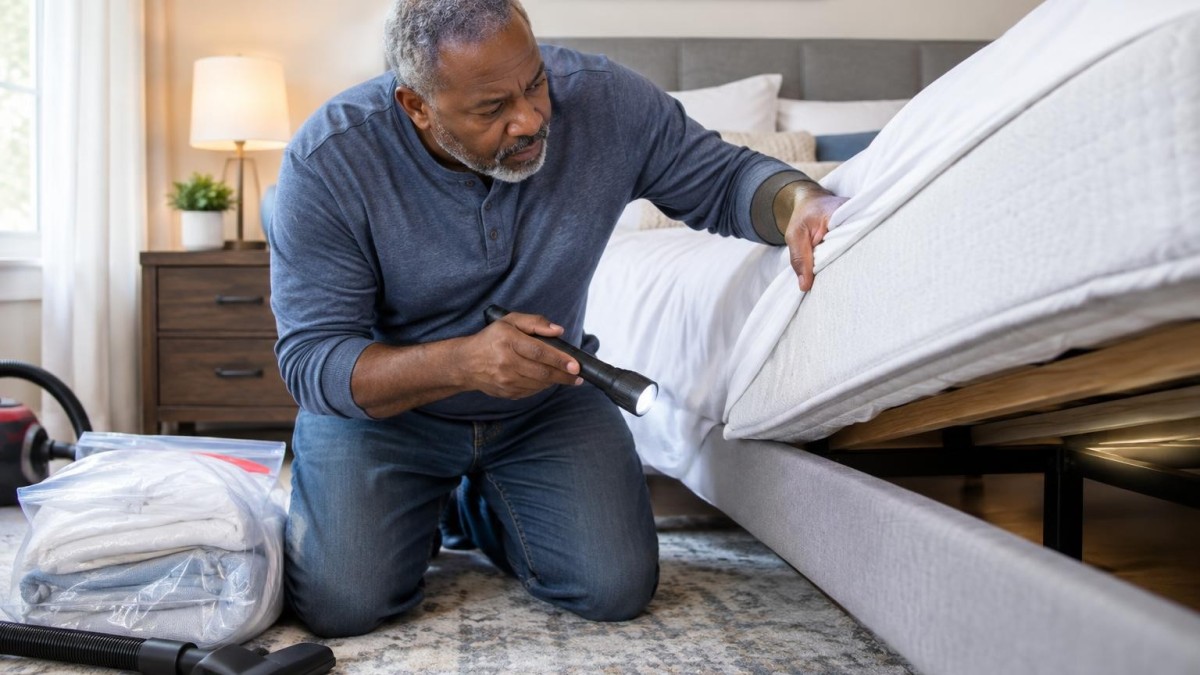
Recognizing Bed Bugs in Your Home
Bed bugs are tiny, reddish-brown insects roughly the size and shape of an apple seed. They often hide close to where people sleep—in mattress seams, bed frames, furniture joints, and cracks in walls or baseboards. Signs of their presence include itchy, red bite marks arranged in lines or clusters, small rust-colored blood stains on bedding, dark fecal spots, shed skins, and occasionally, live bugs themselves. However, bites alone aren't a reliable indicator since reactions vary between individuals, so it's best to look for physical evidence before starting treatment.
Effective Steps to Eliminate Bed Bugs
Dealing with bed bugs requires patience and a thorough approach. First, confirm the infestation by inspecting common hiding spots carefully and, if renting, notify your landlord. Isolating infested items by sealing clothing, bedding, and soft toys in plastic bags before moving them helps prevent spreading the bugs to other areas.
Using a dryer on high heat for at least 30 minutes is one of the most effective household methods to kill bed bugs on washable items; washing alone might not be enough. Vacuuming mattresses, furniture seams, carpet edges, and baseboards removes bugs and eggs, but be sure to discard vacuum bags or clean containers immediately and safely.
Steam treatments at temperatures above 130°F can help reach bed bugs hiding in crevices and fabric but should complement other control methods. Bed bug-proof mattress and box spring encasements trap bugs inside and reduce hiding places, and keeping the bed away from walls with bedding off the floor, along with placing interceptor traps under bed legs, limits bug mobility and aids monitoring.
Be cautious with DIY remedies like diatomaceous earth—only use EPA-approved products specifically labeled for bed bugs to avoid health risks. Avoid dangerous home treatments such as flammable liquids, unventilated heating, or bug bombs, which may be ineffective and create hazards.
When to Seek Professional Help and How to Avoid Future Infestations
If your infestation is extensive or persists despite your efforts, hiring a licensed pest control professional is wise. They can assess the situation and apply an integrated pest management strategy combining inspection, cleaning, heat, physical barriers, and pesticides if appropriate.
After treatment, continue monitoring your home diligently to catch any new activity early. Prevent re-infestations by inspecting secondhand furniture thoroughly, using protective encasements, reducing clutter, vacuuming regularly, and being vigilant when traveling. Handle laundry carefully, transporting potentially infested items in sealed bags and placing clean clothes directly into sealed containers until the threat is gone.
Though bed bugs can be stubborn, a calm, informed, and persistent approach can effectively reclaim your home and restore restful nights.
Newsletter Station provides professionally written, ready-to-send newsletters customized for your market and brand.
EXPLORE NEWSLETTER OPTIONS