
Common Causes of Bad Breath in Pets
It’s normal to notice your dog or cat’s breath occasionally isn’t minty fresh, but persistent bad breath is often a sign something needs attention. The most frequent culprit is dental disease. Plaque buildup on your pet’s teeth can harden into tartar, leading to gum inflammation, infection, and even tooth loss. Unfortunately, many pets have some level of periodontal disease by the time they reach three years old, though it might be hard to spot early on.
Besides dental issues, other causes include diet, oral infections, injuries in the mouth, or underlying health problems such as diabetes or kidney disease. A dry mouth from dehydration or certain medications can also contribute to unpleasant odors.
Practical Tips to Keep Your Pet’s Breath Fresh
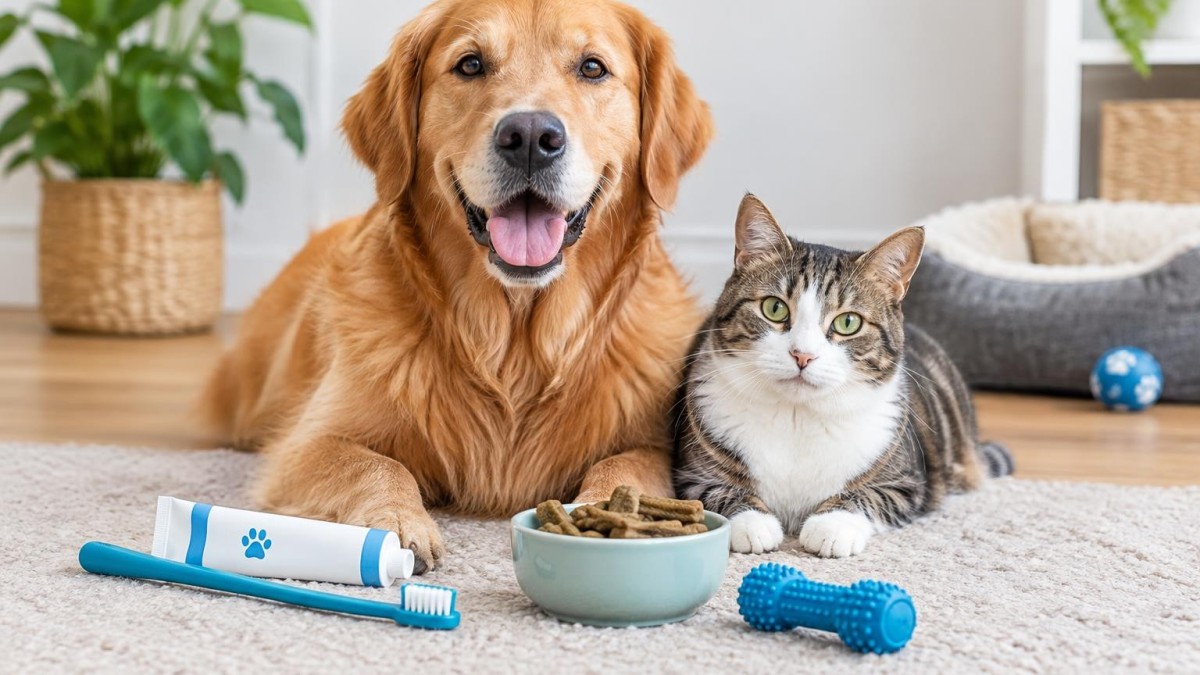
Regular tooth brushing using pet-specific toothpaste is one of the best ways to reduce plaque buildup. Human toothpaste should never be used as it can be harmful to pets. Certain dental chews and diets can support dental health, but they don’t replace brushing or professional cleanings when needed.
It’s important to maintain routine veterinary check-ups where your pet’s oral health can be assessed thoroughly. Your vet may recommend professional cleanings under anesthesia to address plaque below the gumline and detect issues not visible at home.
If your pet suddenly develops very bad breath along with signs like drooling, difficulty eating, pawing at the mouth, or facial swelling, contact your veterinarian promptly. These symptoms might indicate a foreign object or infection that requires immediate care.
When to Seek Veterinary Care
Keep an eye on signs such as red or bleeding gums, loose or missing teeth, changes in eating habits, and behavioral shifts. These suggest dental discomfort or infection. Persistent bad breath accompanied by increased thirst, urination, or changes in appetite could signal a systemic health problem requiring professional evaluation.
Early detection and treatment help prevent pain and more serious complications, ensuring your furry friend enjoys a healthier mouth and better quality of life. With consistent dental care at home and regular veterinary support, you can keep your pet’s breath fresh and those cuddles pleasant.
Newsletter Station provides professionally written, ready-to-send newsletters customized for your market and brand.
EXPLORE NEWSLETTER OPTIONS