
Gather Essential Tools
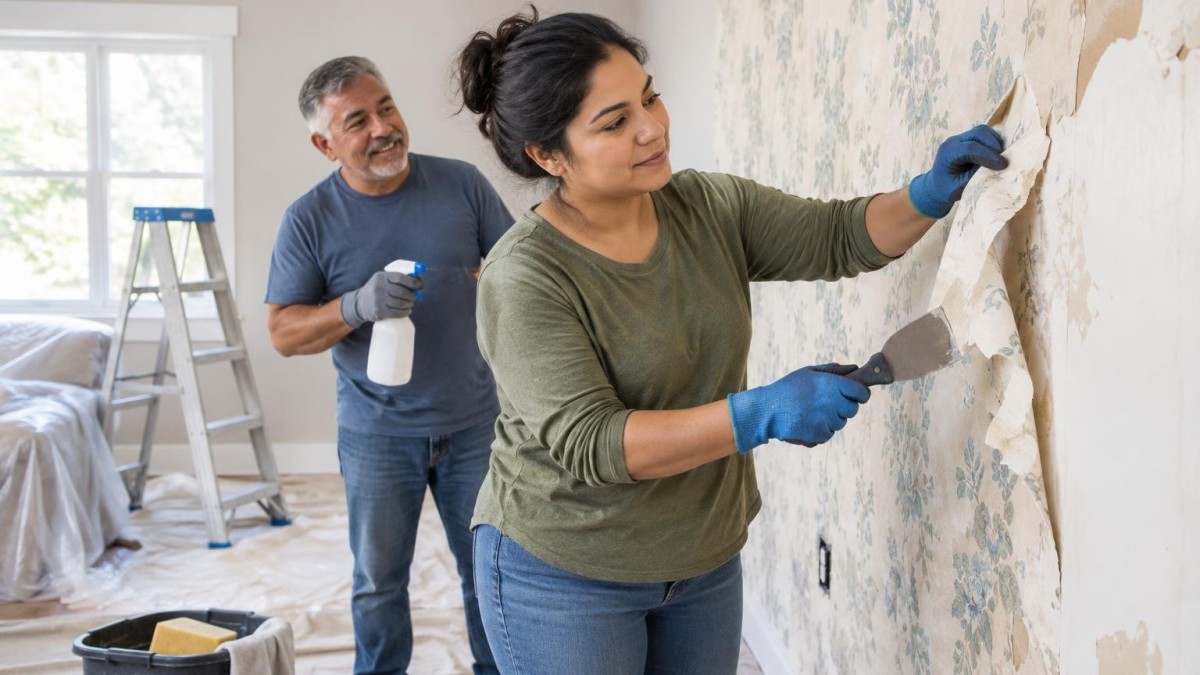
Start by collecting all necessary supplies to streamline your wallpaper removal project. You'll need a wallpaper scorer to perforate the paper, wallpaper removal solution or warm water to soften adhesive, drop cloths to protect your floors and furniture, a sturdy ladder, a spray bottle for applying liquids, a broad scraper or putty knife, sponges for cleanup, and gloves to protect your hands.
Prepare Your Space
Clear the room as much as possible by moving furniture and decorations out of the way. Cover floors and any remaining items with drop cloths or plastic sheeting to prevent damage. Remove outlet and switch covers, and ensure you turn off power when working near electrical components. Good ventilation helps, so open windows or doors when using chemical removers.
Test, Score, and Soften
Before tackling the entire wall, test a small hidden section to see how easily the wallpaper releases. If it resists, gently score the wallpaper to create small holes that allow the removal solution to reach the adhesive. Use a wallpaper remover or warm water, applying it in sections with a spray bottle. Allow time for the solution to work, softening the glue underneath.
Remove the Wallpaper Carefully
Once softened, gently lift a corner of the wallpaper with your fingers or a scraper. Slowly peel the paper away keeping the scraper flat against the wall to avoid damage. If you encounter resistance, apply more solution and wait longer instead of forcing the paper off, which can harm the wall surface.
Clean Residual Adhesive
After the wallpaper is removed, sticky adhesive often remains. Use a damp sponge or scrubbing pad with warm water to wash it off in manageable sections, rinsing frequently to avoid spreading the paste around. For tough spots, specialized adhesive removers can help according to their instructions.
Rinse, Dry, and Repair
Once adhesive is cleaned, wipe the walls with clean water to remove any leftovers. Be cautious about over-wetting drywall to prevent damage. Let the walls dry completely before inspecting for holes or damage. Patch any imperfections with appropriate fillers, sand smooth, and consider priming before painting to ensure a flawless finish.
When to Call a Pro
Many DIYers can remove wallpaper successfully, but some situations warrant professional help. Multiple wallpaper layers, fragile plaster walls, or unknown wall conditions can complicate the process. Professionals have the experience and tools to handle tougher jobs and prevent costly mistakes.
Removing old wallpaper requires patience and the right approach, but thorough preparation makes it manageable. By proceeding cautiously and working in sections, you’ll protect your walls and create a clean slate ready for your next decorating adventure.
Newsletter Station provides professionally written, ready-to-send newsletters customized for your market and brand.
EXPLORE NEWSLETTER OPTIONS