
FEATURE ARTICLE
How Many Types of Flowers Exist? Exploring the Incredible Diversity of the Plant World
Aug 12, 2026
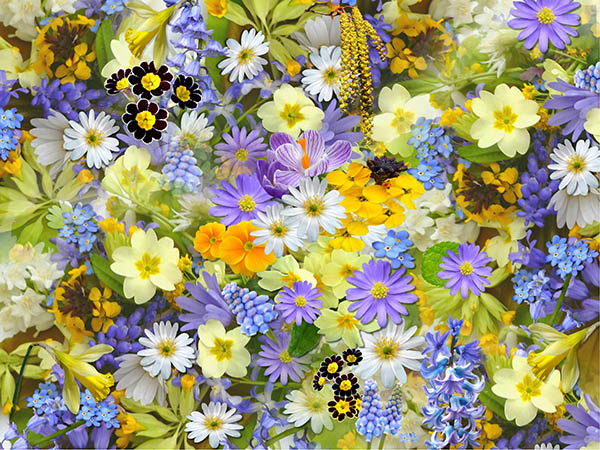
Flowers captivate us with their colors, shapes, and fragrances, enriching gardens, celebrations, and everyday life. Their diversity is astonishing—spanning delicate wildflowers, bold tropical blooms, and countless cultivated varieties. While it’s impossible to pinpoint an exact number of flower types worldwide, exploring how flowers are categorized helps us appreciate the vast beauty and complexity of the plant kingdom.
This updated guide highlights major flower groups, explains how botanists classify them, and celebrates the remarkable variety found across ecosystems.
The Diversity of Flowers
Flowers vary widely in appearance, growth habits, and environmental needs. Botanists classify them in several helpful ways:
Estimating the number of flower species is challenging due to ongoing discoveries and evolving classifications. Scientists believe there are 300,000 to 400,000 flowering plant species worldwide, with new species identified each year.
Organizations like the Royal Botanic Gardens, Kew, maintain extensive databases to track plant names and classifications. Their global plant list includes more than a million entries, though many represent synonyms or variations rather than unique species.
The true number of distinct flower types continues to grow as botanists explore remote regions, study ecosystems, and refine plant taxonomy.
A World of Endless Floral Beauty
The diversity of flowers reflects nature’s creativity and adaptability. Each species has evolved to thrive in specific environments, attract pollinators, and contribute to ecological balance. Whether you’re a gardener, florist, or simply someone who enjoys the beauty of blooms, exploring the world of flowers offers endless opportunities for learning and appreciation.
This updated guide highlights major flower groups, explains how botanists classify them, and celebrates the remarkable variety found across ecosystems.
The Diversity of Flowers
Flowers vary widely in appearance, growth habits, and environmental needs. Botanists classify them in several helpful ways:
-
Wildflowers
Naturally occurring flowers that grow without human cultivation. Examples range from daisies to poppies and native meadow species. -
Perennials
Long‑lasting plants that return each year. Popular choices include tulips, irises, and daffodils. -
Annuals
Plants that complete their life cycle in one season, such as marigolds, petunias, and zinnias. - Biennials Flowers that grow foliage the first year and bloom the second. Foxgloves and hollyhocks are classic examples.
-
Bulb‑Based Flowers
Plants that grow from bulbs, corms, or tubers, including lilies, gladioli, and daffodils. -
Climbers and Creepers
Vining plants like wisteria and morning glories, or ground‑spreading varieties such as creeping thyme. -
Herbaceous vs. Woody
Herbaceous plants have soft stems, while woody plants—like roses and lilacs—have hardened structures. -
Tropical vs. Temperate
Tropical flowers thrive in warm, humid climates (orchids, hibiscus), while temperate flowers prefer cooler regions (roses, daisies). -
Fragrant vs. Non‑Fragrant
Some flowers, like jasmine and lavender, are known for scent; others offer beauty without fragrance. - Native vs. Exotic Native flowers support local ecosystems, while exotic varieties are introduced from other regions.
Estimating the number of flower species is challenging due to ongoing discoveries and evolving classifications. Scientists believe there are 300,000 to 400,000 flowering plant species worldwide, with new species identified each year.
Organizations like the Royal Botanic Gardens, Kew, maintain extensive databases to track plant names and classifications. Their global plant list includes more than a million entries, though many represent synonyms or variations rather than unique species.
The true number of distinct flower types continues to grow as botanists explore remote regions, study ecosystems, and refine plant taxonomy.
A World of Endless Floral Beauty
The diversity of flowers reflects nature’s creativity and adaptability. Each species has evolved to thrive in specific environments, attract pollinators, and contribute to ecological balance. Whether you’re a gardener, florist, or simply someone who enjoys the beauty of blooms, exploring the world of flowers offers endless opportunities for learning and appreciation.