
FEATURE ARTICLE
Signs a Tree Needs To Be Removed: How To Protect Your Property and Keep Your Landscape Safe
Aug 12, 2026
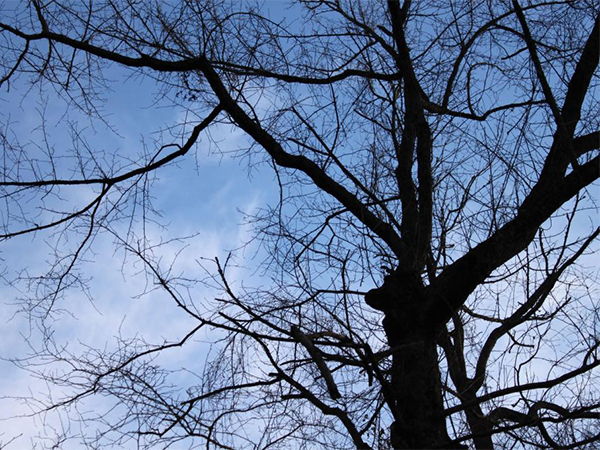
Trees add beauty, shade, and environmental benefits to any property—but when a tree becomes unstable or unhealthy, it can quickly turn into a safety hazard. Knowing how to spot early warning signs helps prevent accidents, property damage, and costly emergency removals. This updated guide explains the most common indicators that a tree may need to be removed and why consulting a certified arborist is essential for safe decision‑making.
Trees are valuable assets, but safety must come first. Recognizing the signs of instability—structural damage, leaning, decay, pests, hazardous branches, or root issues—helps you act before problems escalate. Always consult a certified arborist for a professional assessment and guidance on whether removal is necessary.
By staying proactive, you can enjoy the beauty of your landscape while protecting your home, family, and surrounding environment.
-
Significant Structural Damage
Major cracks, splits, or broken limbs are clear signs of structural instability. Damage to the trunk or large branches weakens the tree and increases the risk of collapse, especially during storms or high winds. If you notice structural issues, schedule an evaluation with a certified arborist to determine whether removal is necessary. -
Leaning or Unstable Posture
A tree that suddenly begins leaning or shows signs of shifting soil may have root damage or compromised support. Leaning trees can fall without warning, posing risks to homes, vehicles, and people. An arborist can assess whether corrective measures—such as cabling or bracing—are possible or if removal is the safest option. -
Decaying or Hollow Trunk
Internal decay is one of the most dangerous tree conditions because it often goes unnoticed until the tree becomes severely weakened. Hollow trunks cannot support the tree’s weight, making collapse more likely. Mushrooms, soft wood, or cavities are common signs of decay. Prompt professional inspection is essential. -
Extensive Pest or Disease Infestation
Severe infestations from pests like borers, carpenter ants, or termites can compromise a tree’s structural integrity. Diseases such as cankers, fungal growth, or unusual bark patterns also indicate declining health. When pests or disease spread extensively, removal may be necessary to protect nearby trees and plants. -
Hazardous Overhanging Branches
Branches that hang over roofs, driveways, walkways, or power lines can cause significant damage if they break. While pruning can reduce risk, trees with multiple hazardous limbs or ongoing structural decline may require removal. A professional arborist can help determine the safest approach. -
Root Problems
Healthy roots anchor the tree and supply essential nutrients. Signs of root issues include heaving soil, exposed or decaying roots, or fungal growth at the base. Root damage greatly increases the risk of uprooting during storms. An arborist can evaluate whether the tree can be stabilized or if removal is the best solution.
Trees are valuable assets, but safety must come first. Recognizing the signs of instability—structural damage, leaning, decay, pests, hazardous branches, or root issues—helps you act before problems escalate. Always consult a certified arborist for a professional assessment and guidance on whether removal is necessary.
By staying proactive, you can enjoy the beauty of your landscape while protecting your home, family, and surrounding environment.