
FEATURE ARTICLE
What To Do When Water Gets Beneath Your Flooring
Aug 12, 2026
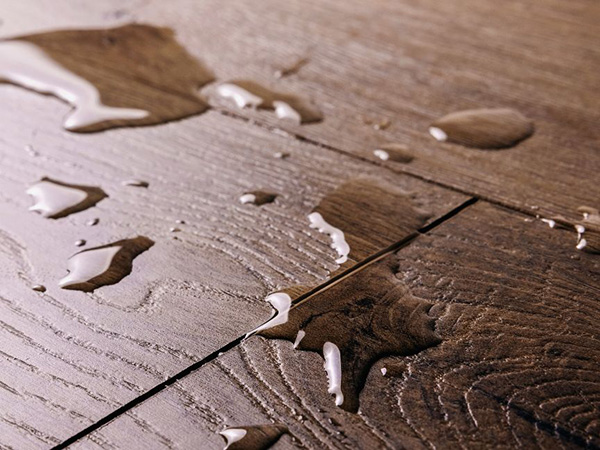
Water damage beneath your flooring can escalate quickly, leading to mold, mildew, odors, and even structural issues if not handled promptly. Whether the cause is a burst pipe, leaking appliance, storm flooding, or a small spill that went unnoticed, taking swift and informed action can significantly reduce long‑term damage and repair costs. Understanding the right steps—and when to call in experts—helps protect both your home and your peace of mind.
Below is a clear, practical guide to follow when water finds its way under your floors.
Below is a clear, practical guide to follow when water finds its way under your floors.
-
Identify the Source
Start by determining where the water is coming from. Plumbing failures, roof leaks, appliance malfunctions, and weather‑related flooding all require different responses. Identifying the source helps you stop the flow quickly and prevents additional damage. -
Turn Off the Water Supply
If the issue is plumbing‑related, shut off the water supply to the affected area—or the entire home if needed. This step prevents more water from entering the space and worsening the damage. -
Remove Furniture and Belongings
Carefully move furniture, rugs, and personal items away from the affected area. This protects your belongings and gives you clear access to assess the flooring and begin the drying process. -
Assess the Damage
Different flooring materials respond differently to water. Hardwood may warp, laminate can swell, carpet padding may retain moisture, and tile grout can trap water underneath. Look for signs such as discoloration, buckling, softness, or musty odors. In some cases, sections of flooring may need to be lifted or removed for proper drying. -
Remove Water and Moisture
Thorough drying is essential to prevent mold growth. Use towels, wet/dry vacuums, dehumidifiers, and moisture‑absorbing products to remove as much water as possible. Even small pockets of moisture can lead to mold, so be diligent and patient during this step. -
Increase Air Circulation
Open windows and doors, and use fans to improve airflow. Good ventilation speeds up drying and helps prevent mildew. If humidity is high, consider running a dehumidifier to pull moisture from the air and flooring materials. -
Consult Professionals
For significant water damage, professional help is often necessary. Water damage restoration experts can assess moisture levels, prevent mold growth, and determine whether flooring can be salvaged or must be replaced. Their specialized equipment and expertise ensure the area is fully dried and safe. -
Prevent Future Water Issues
Once the immediate problem is resolved, take steps to reduce future risk. Repair plumbing issues, maintain appliances, inspect roofing, and consider water‑resistant flooring in high‑risk areas. Using mats, monitoring humidity, and scheduling regular home inspections can also help prevent recurring problems.