
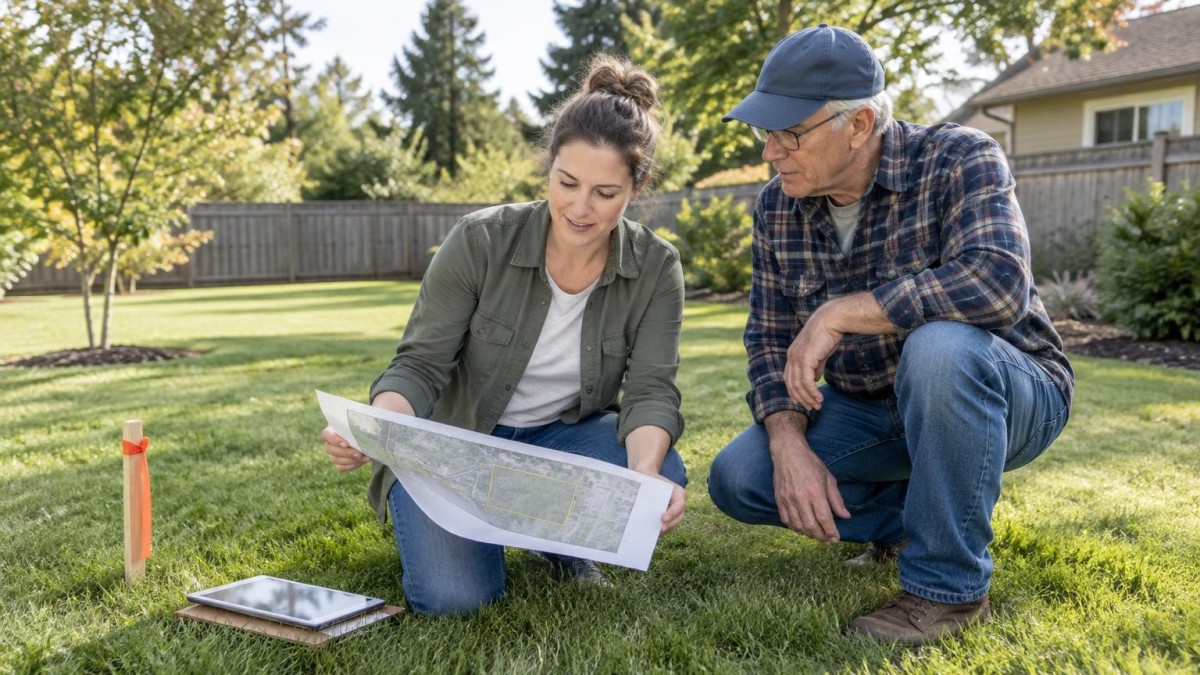
Start with Your Property Deed and Survey
The first step in identifying your property lines is to examine your property deed and any survey documents you might have. These papers usually include detailed descriptions of your land, referencing landmarks, measurements, or specific lot details. If you don't have these on hand, check with your local county recorder's office or search their online databases to obtain copies.
Leverage Online Mapping Tools
Modern technology makes getting a general idea of your property boundaries easier. County GIS maps, Google Earth, and real estate websites like Zillow often display estimated property lines. Keep in mind these resources aren't legally precise but provide a helpful overview to guide further investigation.
Look for Physical Markers on Your Property
Your property may have physical boundary markers such as metal pins, stakes, concrete monuments, or natural features that were placed during previous surveys. These are often found at the corners or along edges of your lot. If you find any markers, verify their accuracy by comparing them with your official documents or consulting a professional.
Communicate with Your Neighbors
Talking with neighbors can provide valuable information about shared boundaries or previous surveys. They may have records or local knowledge that can assist you. This dialogue also fosters goodwill and helps avoid potential boundary conflicts.
Consider Hiring a Licensed Land Surveyor
For confirmed, legally recognized property lines, hiring a licensed land surveyor is the best route. A professional survey offers precise measurements, updated markers, and an accurate property map. Though there’s a cost involved, it ensures that any landscaping, fencing, or building projects are done within your true property limits, avoiding costly disputes.
Respect Your Boundaries and Proceed Carefully
Once you have verified your property lines, always proceed thoughtfully. Avoid placing structures, fences, or planting on land that hasn’t been officially confirmed as yours. Respecting boundaries maintains good neighbor relations and prevents legal issues.
By combining document review, use of digital mapping tools, neighbor collaboration, and professional surveying, you can confidently locate and verify your property lines. This knowledge safeguards your investment, supports smart home improvements, and ensures peace of mind in your homeownership journey.
Newsletter Station provides professionally written, ready-to-send newsletters customized for your market and brand.
EXPLORE NEWSLETTER OPTIONS