
FEATURE ARTICLE
Essential Firearm Maintenance Tips for Safety, Reliability & Long‑Term Performance
Aug 12, 2026
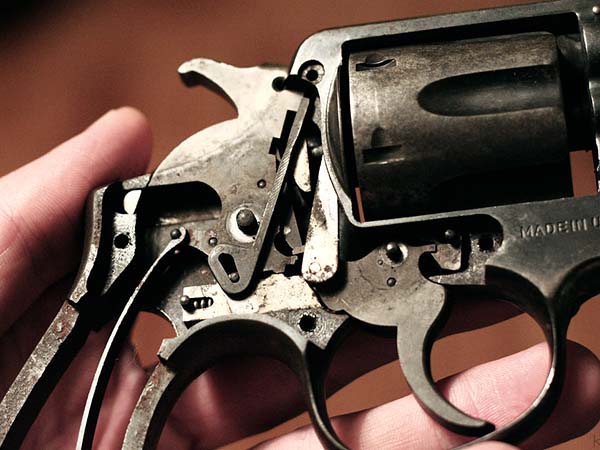
Owning a firearm comes with serious responsibility, and proper maintenance is one of the most important parts of keeping your firearm safe, reliable, and long‑lasting. Whether you own a handgun, rifle, or shotgun, routine care ensures consistent performance, prevents malfunctions, and protects your investment. Modern firearms are built to withstand years of use, but only when maintained correctly.
Below is an expanded, practical guide to firearm maintenance that supports safety, longevity, and confidence every time you shoot.
Below is an expanded, practical guide to firearm maintenance that supports safety, longevity, and confidence every time you shoot.
-
Thorough Cleaning After Every Use
Cleaning is the foundation of firearm care. Gunpowder combustion leaves carbon, lead, copper, and residue that can affect accuracy and reliability. A proper cleaning routine prevents buildup, corrosion, and mechanical wear.
A standard cleaning kit should include rods, brushes, patches, solvent, and lubricating oil. Follow these steps:- Unload and verify the firearm is safe
- Disassemble according to manufacturer instructions
- Clean the barrel with solvent and a bore brush
- Scrub internal components and crevices
- Wipe away fouling with clean patches
- Apply a light coat of oil to protect metal surfaces
- Reassemble carefully
-
Routine Inspection for Wear and Damage
Visual inspections help you catch issues early before they become safety hazards or expensive repairs.
Check for:- Rust, corrosion, or discoloration
- Obstructions or damage inside the bore
- Worn springs, pins, or moving parts
- Loose or misaligned sights
- Cracks in grips, stocks, or polymer frames
-
Proper Lubrication for Smooth Operation
Lubrication reduces friction between moving parts, preventing premature wear. Use high‑quality gun oil and apply sparingly—too much oil attracts dirt and debris.
Focus on:- Slide rails
- Bolts and bolt carriers
- Trigger mechanisms
- Contact points identified by the manufacturer
-
Safe, Climate‑Controlled Storage
How you store your firearm directly affects its longevity and safety. Firearms should be kept in a cool, dry environment away from humidity and sunlight.
Best practices include:- Using a gun safe or lockable cabinet
- Adding a dehumidifier or desiccant
- Storing ammunition separately
- Ensuring unauthorized individuals cannot access the firearm
-
Use High‑Quality Ammunition
Ammunition quality impacts both performance and wear. Factory‑made ammunition is generally the safest and most reliable option. Poorly assembled reloads can cause excessive pressure, misfires, or damage to internal parts.
If you choose to use reloaded ammunition, ensure it comes from a trusted, experienced source.