
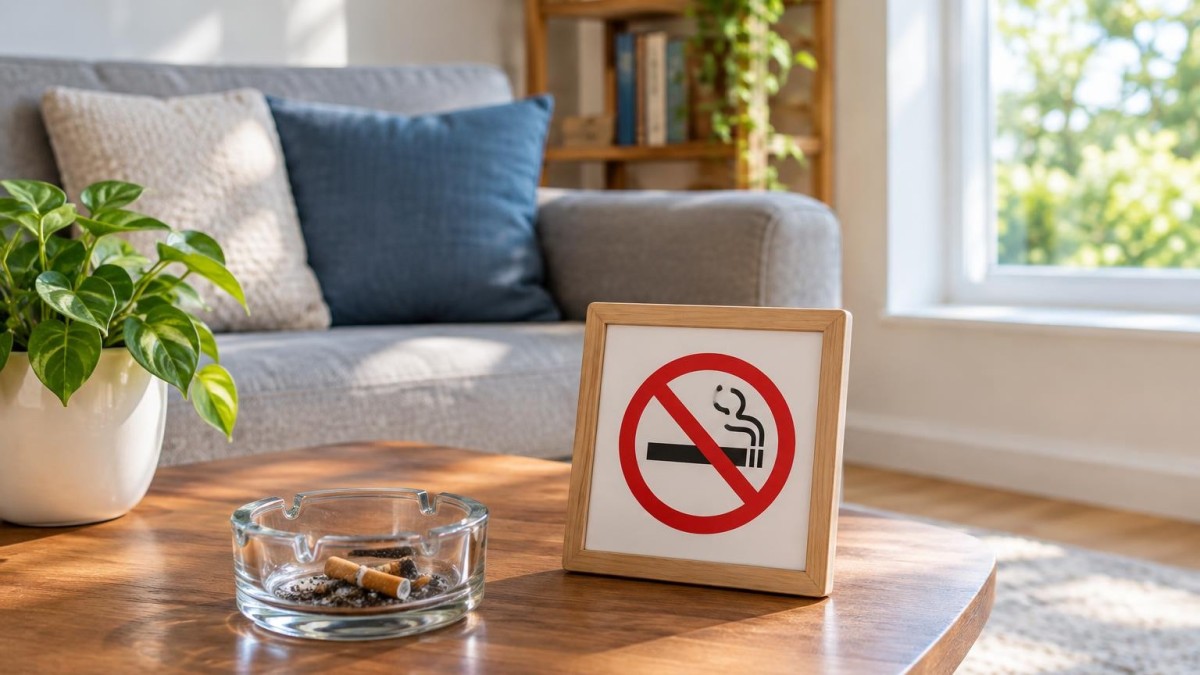
What is Secondhand Smoke?
Secondhand smoke, also called passive smoke or environmental tobacco smoke, is a mix of smoke from a burning tobacco product and the smoke a smoker exhales. It contains thousands of chemicals, many harmful and cancer-causing. This smoke comes from two sources: the smoke directly exhaled by smokers and the smoke released from the burning end of cigarettes or cigars. The latter can be especially toxic, particularly in closed spaces like homes and cars.
Not only can secondhand smoke hang in the air, but it can also settle on surfaces, creating what's known as thirdhand smoke. This residue can stick to furniture, clothing, and carpets, continuing to expose people, especially children, even after the smoke has cleared.
Health Risks of Exposure
Secondhand smoke affects people of all ages and can be particularly harmful to children, pregnant individuals, and those with health conditions. There's no safe level of exposure, and even brief contact can cause harm.
For the lungs, secondhand smoke irritates airways and increases the risk of asthma attacks, bronchitis, pneumonia, and other respiratory infections. Adults with lung issues may find their symptoms worsen after exposure.
Beyond lungs, tobacco smoke chemicals can damage the heart and blood vessels, contributing to inflammation, higher blood pressure, and greater risk of heart disease and stroke—even for those who don’t smoke themselves.
Long-term exposure also raises the chance of lung cancer in non-smokers, especially for those living with a smoker or frequently in smoky environments.
Infants and young children face heightened risks, including sudden infant death syndrome (SIDS), ear infections, respiratory illnesses, and impaired lung development. During pregnancy, exposure is linked to premature birth, low birth weight, and other complications.
How to Protect Yourself and Loved Ones
Creating smoke-free zones is crucial. The safest environments are completely free of tobacco smoke—this includes homes, cars, and places where families gather. Smoking near open windows or fans doesn’t prevent harmful smoke from spreading indoors.
Encouraging smokers to quit or, at minimum, to smoke outside and away from others, can make a big difference. Supporting community smoke-free policies in workplaces, schools, and public spaces also protects everyone, especially vulnerable groups.
If you know someone trying to quit, offer support and understanding. There are many resources like counseling and cessation programs to help.
Raising awareness about the risks secondhand smoke poses is equally important. Sharing information can motivate healthier choices and foster safer, smoke-free environments.
By understanding the dangers of secondhand smoke and taking clear steps to reduce exposure, you can help protect your health and that of your family and community.
Newsletter Station provides professionally written, ready-to-send newsletters customized for your market and brand.
EXPLORE NEWSLETTER OPTIONS