
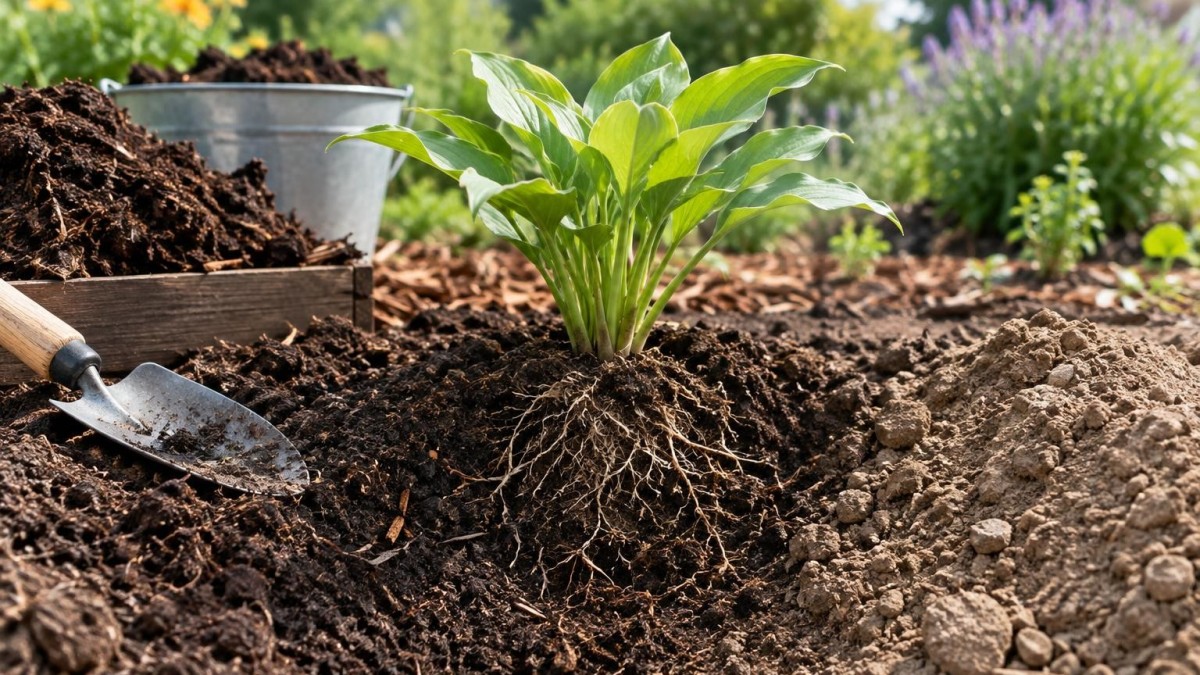
Understanding the Living Essence of Soil
In landscaping and gardening, the distinction between soil and dirt is more than just semantics. Soil is a living ecosystem that nurtures plants, while dirt is simply displaced material lacking life and structure. Recognizing this difference is crucial for anyone looking to cultivate healthy, vibrant landscapes.
What Makes Soil Unique?
Soil is a complex mix of minerals, organic matter, water, air, and countless tiny creatures including bacteria, fungi, and earthworms. These components work together in harmony to recycle nutrients, improve texture, and support plant roots. This living environment takes centuries to form and varies widely depending on local climate and geography.
Healthy soil balances four main elements: mineral particles from weathered rocks provide nutrients; organic matter from decomposed plants and animals adds fertility and moisture retention; water transports nutrients and sustains chemical processes; and air fills spaces allowing oxygen to nourish roots and beneficial organisms. This balance determines whether soil can support robust plant growth or struggles under poor conditions.
Why Dirt Isn’t Enough
Dirt, in contrast, is what you find when soil is removed from its natural place and left stripped of life. It usually sits on sidewalks, bare patches, or piles after digging but lacks the organic content and microbial activity essential for plants to thrive. While dirt can be improved into healthy soil over time through enrichment and care, on its own it cannot sustain a flourishing landscape.
The Importance of Soil Health in Your Landscape
Healthy soil promotes stronger plants, better water absorption, erosion control, and resilience against droughts and pests. For contractors and landscapers, improving soil quality is foundational to creating durable, attractive outdoor spaces that require less maintenance and support local ecosystems.
Simple strategies to enhance soil health include adding organic matter like compost, reducing excessive tilling to preserve soil structure, applying mulch to retain moisture, planting cover crops to prevent erosion, rotating planting areas to maintain nutrient balance, and using chemicals cautiously to protect beneficial organisms.
Conservation efforts like regenerative gardening help replenish degraded soils, ensuring that the ground beneath our feet remains fertile and sustainable. Even small steps in your projects make a significant difference in supporting the living nature of soil.
Understanding soil as a vibrant living system—not just dirt—is key to successful landscaping, healthy gardens, and environmental responsibility. By nurturing this vital resource, contractors and garden centers can help clients create resilient and thriving outdoor spaces that endure for years to come.
Newsletter Station provides professionally written, ready-to-send newsletters customized for your market and brand.
EXPLORE NEWSLETTER OPTIONS