
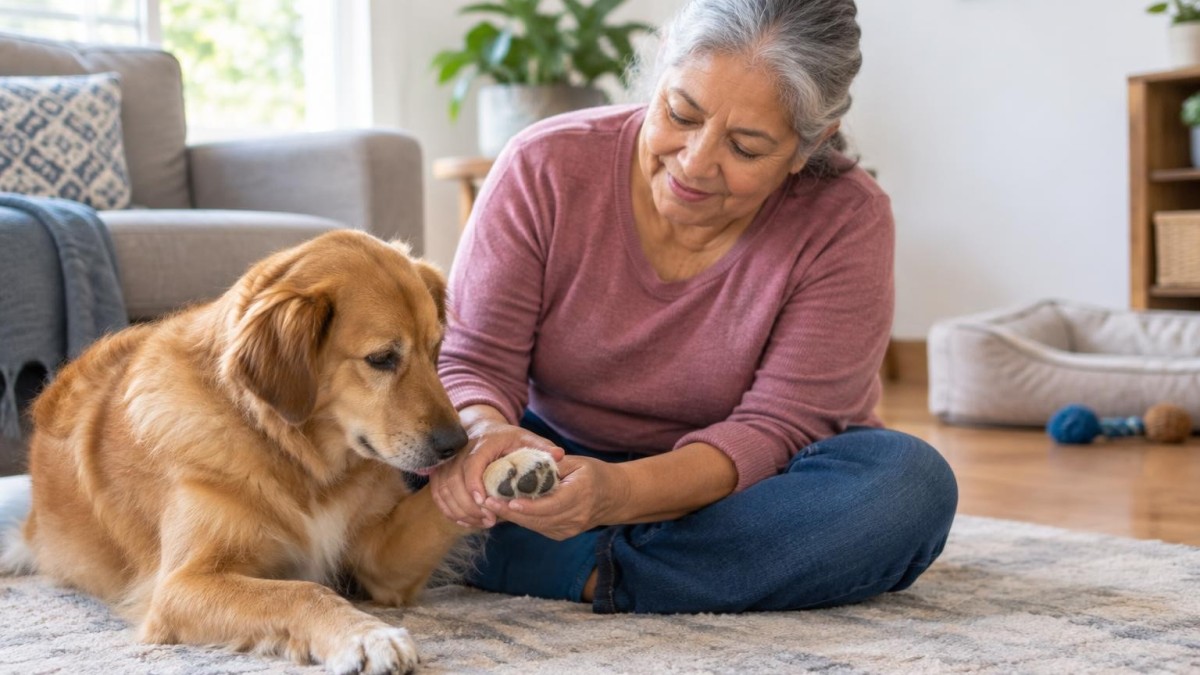
Understanding Paw Licking in Dogs
Dogs often lick their paws as part of normal grooming, but when this behavior becomes frequent, it can signal discomfort or underlying issues. Since paws are essential for walking, playing, and exploring, keeping them healthy is crucial for your dog's well-being.
Common Causes of Excessive Paw Licking
One of the most frequent reasons dogs lick their paws is allergies. Just like humans, dogs can be sensitive to environmental factors like pollen, grass, dust mites, or certain foods. Exposure to these allergens can cause itching and irritation, prompting your dog to lick their paws to find relief. If allergies are suspected, consulting a veterinarian can help identify triggers and provide treatment options, which might include dietary changes or medications.
Skin infections, resulting from bacteria or fungi, are another cause of paw licking. Moisture trapped between paw pads or minor injuries can create an environment for infections. Signs to watch for include redness, swelling, warmth, unpleasant odor, and discharge. Proper veterinary care is necessary to diagnose and treat these infections effectively.
Environmental factors can also contribute to paw discomfort. Dry, cracked, or irritated pads may be caused by exposure to rough surfaces, extreme temperatures, or chemicals like ice-melt salt. Using pet-safe paw balms, avoiding hot pavement, and regularly checking your dog's paws can prevent or alleviate such issues.
Emotional factors like anxiety, stress, or boredom can lead to paw licking as a self-soothing habit. Changes in routine, new family members, or separation anxiety can trigger this behavior. Providing consistent exercise, mental stimulation, and a comforting environment can help ease stress-related licking. For persistent cases, professional advice from a vet or behaviorist might be needed.
Additionally, pain or injury—such as cuts, splinters, or arthritis—can cause focused licking of the paws. Regular inspection for signs of injury and prompt veterinary assessment ensure timely treatment. Parasites like fleas or mites are another source of irritation that can prompt licking; maintaining parasite prevention is key.
When to Seek Veterinary Help
Occasional paw licking is typically normal, but persistent or intense licking warrants a closer look. Contact your veterinarian if you notice constant licking, bleeding, limping, swelling, hair loss around the paws, changes in appetite, behavior, or signs of pain. Early intervention can prevent complications and keep your dog comfortable.
Maintaining Healthy Paws
Regular paw care is vital for your dog's comfort and activity. By observing your dog's licking habits, addressing allergies, infections, injuries, emotional triggers, and working with your veterinarian as needed, you can help keep your furry friend happy and ready for all their adventures.
Newsletter Station provides professionally written, ready-to-send newsletters customized for your market and brand.
EXPLORE NEWSLETTER OPTIONS