
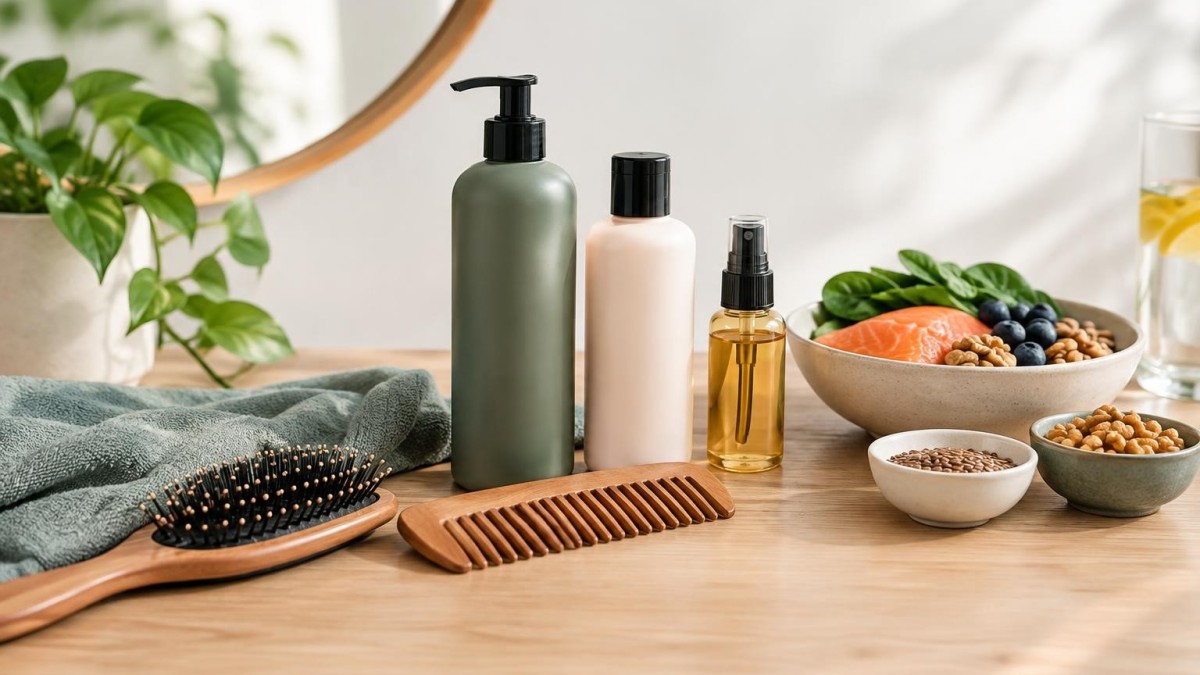
Everyday Habits That Affect Hair Health
Your hair does more than just frame your face—it’s a key part of how you feel about yourself. While losing some hair daily is normal, certain common habits can lead to more breakage and thinning over time. Fortunately, many of these habits are easy to adjust, letting you protect and strengthen your hair with a few simple changes.
Heat Styling and Tight Hairstyles
Tools like flat irons, curling irons, and blow dryers create great looks but can dry out and damage strands if used too often or at high temperatures. This kind of damage usually affects the hair shaft, causing brittleness and breakage rather than the follicles. To keep your hair healthier, use heat tools sparingly, apply heat protectants, and choose lower heat settings. Also, let your hair air dry when you can.
Tight hairstyles like ponytails, buns, braids, and extensions can put stress on your scalp and hair follicles. This tension may lead to traction alopecia—a form of hair loss most noticeable along the hairline. To avoid this, alternate your hairstyles to reduce constant pulling, wear looser styles, avoid sleeping with hair pulled tight, and follow your stylist’s advice on extensions.
Chemical Treatments and Nutrition
Coloring, bleaching, perms, and relaxers can change your hair’s structure, leading to weakened strands and breakage over time, especially if treatments are frequent or improperly done. Always have these treatments done by professionals, space them out, and use hair products that restore moisture and strength.
What you eat matters, too. Hair needs nutrients like protein, iron, zinc, vitamin D, and biotin to grow strong. Urgent or restrictive dieting can disrupt hair growth temporarily. Support your hair by eating a balanced diet filled with lean proteins, fruits, vegetables, whole grains, and healthy fats. Incorporate iron- and omega-3-rich foods like spinach, beans, salmon, and walnuts. Before starting any supplements, check with your healthcare provider.
Stress, Smoking, and Alcohol
Chronic stress can push more hairs into their resting phase, causing temporary shedding months after the stressful event. Managing stress through meditation, exercise, quality sleep, and professional support can help your hair bounce back.
Smoking reduces circulation to the scalp and increases oxidative damage to hair follicles. Heavy alcohol use can lead to dehydration and nutrient deficiencies bad for hair health. Reducing or quitting smoking, drinking moderately, staying hydrated, and eating nutritiously will benefit both your hair and overall health.
Extra Care Tips and When to See a Doctor
Choose hair products suited to your hair type, avoid aggressive towel drying, use a wide-tooth comb on wet hair, protect your hair from sun damage with hats, and trim split ends regularly. If you notice sudden or patchy hair loss that doesn’t improve with better habits, consult a healthcare professional. Conditions like hormonal imbalances or scalp disorders may require targeted treatment.
Taking small, consistent steps to care for your hair and health can make a big difference over time. Your hair reflects your well-being, so the better your habits, the stronger and healthier your hair will look and feel.
Newsletter Station provides professionally written, ready-to-send newsletters customized for your market and brand.
EXPLORE NEWSLETTER OPTIONS