
FEATURE ARTICLE
How to Identify a Healthy Root Ball Before Planting
Jul 29, 2026
Whether you're planting a new tree, adding shrubs to your landscape, or repotting a favorite perennial, the health of a plant starts below the surface. While lush foliage may catch your eye, a strong root ball is what determines whether a plant will establish itself, absorb nutrients efficiently, and thrive for years to come.
Understanding how to recognize a healthy root ball can help you avoid costly planting mistakes and give your plants the best possible start. Before purchasing or transplanting any plant, take a few moments to inspect its roots. A healthy root system is one of the most reliable indicators of long-term success.
What Is a Root Ball?
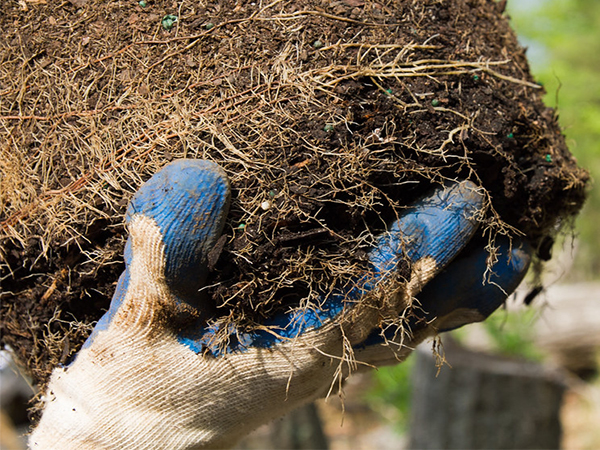
A root ball is the compact mass of roots and surrounding soil located at the base of a plant. It contains the plant's primary root system and serves as the foundation for water uptake, nutrient absorption, and structural support.
Root balls vary depending on how the plant is grown. Container-grown plants have roots contained within a pot, while balled-and-burlapped trees and shrubs have soil wrapped around the roots for transport. Bare-root plants are sold without soil, making root inspection even more important before planting.
Regardless of the plant type, healthy roots are essential for successful establishment and continued growth.
Signs of a Healthy Root Ball
Examine the Entire Plant
Healthy roots are only part of the picture. Also inspect the plant for:
Ask Questions at the Nursery
Reputable garden centers and nurseries can provide valuable information about:
Select the Proper Container Size
Plants left too long in undersized containers often become root-bound.
Look for containers that allow adequate room for root development while avoiding excessively oversized pots that may retain too much moisture.
Handle the Root Ball Carefully
Roots contain thousands of tiny feeder hairs that absorb water and nutrients.
When planting:
Plant at the Correct Depth
Planting depth plays a major role in long-term plant health.
The top of the root ball should generally sit level with or slightly above the surrounding soil. Planting too deeply can suffocate roots, while planting too high may expose them to drying out.
After planting, water thoroughly to eliminate air pockets and help roots make good contact with the surrounding soil.
Give Your Plants the Best Possible Start
A healthy root ball provides the strong foundation every plant needs to grow successfully. By choosing plants with vigorous, well-developed roots, proper moisture levels, and balanced root systems, you'll improve transplant success and enjoy healthier trees, shrubs, flowers, and landscape plants.
Taking a few extra minutes to inspect the root ball before planting can prevent future problems, reduce transplant stress, and encourage stronger growth for years to come. Healthy roots truly are the key to a beautiful, thriving landscape.
Understanding how to recognize a healthy root ball can help you avoid costly planting mistakes and give your plants the best possible start. Before purchasing or transplanting any plant, take a few moments to inspect its roots. A healthy root system is one of the most reliable indicators of long-term success.
What Is a Root Ball?
A root ball is the compact mass of roots and surrounding soil located at the base of a plant. It contains the plant's primary root system and serves as the foundation for water uptake, nutrient absorption, and structural support.
Root balls vary depending on how the plant is grown. Container-grown plants have roots contained within a pot, while balled-and-burlapped trees and shrubs have soil wrapped around the roots for transport. Bare-root plants are sold without soil, making root inspection even more important before planting.
Regardless of the plant type, healthy roots are essential for successful establishment and continued growth.
Signs of a Healthy Root Ball
-
White or Light-Colored Roots
Healthy roots are generally white, cream-colored, or light tan. These lighter colors indicate actively growing roots that efficiently absorb water and nutrients.
Avoid plants with roots that are:- Dark brown or black
- Slimy or mushy
- Brittle and dried out
-
Well-Balanced Root Structure
A healthy root system should be evenly distributed throughout the soil rather than concentrated in one area.
Inspect for:- Numerous small feeder roots
- Even root growth
- Firm, healthy structure
-
Proper Moisture Level
The root ball should feel slightly damp but never soaked or completely dry.
Healthy moisture levels indicate the plant has been properly cared for before purchase.
Watch for:- Waterlogged soil that smells sour
- Bone-dry soil pulling away from the container
- Constantly saturated roots
- Both overwatering and underwatering can weaken roots before planting even begins.
When carefully removing a plant from its container, the root ball should remain intact.
Healthy root systems bind the surrounding soil together without falling apart. If the soil crumbles away immediately, the roots may be underdeveloped or damaged.
Conversely, if the roots have completely replaced the soil and form a dense mat, the plant may be severely root-bound and require additional attention before planting. -
Fresh, Earthy Smell
Healthy roots have a mild, earthy scent.
A foul, sour, or rotten odor is often a warning sign of:- Root rot
- Fungal infections
- Poor drainage
- Excessive moisture
Examine the Entire Plant
Healthy roots are only part of the picture. Also inspect the plant for:
- Bright, healthy foliage
- Strong stems
- No visible insect damage
- No signs of disease or wilting
Ask Questions at the Nursery
Reputable garden centers and nurseries can provide valuable information about:
- The plant's age
- Watering schedule
- Growing conditions
- Recommended planting season
- Expected mature size
Select the Proper Container Size
Plants left too long in undersized containers often become root-bound.
Look for containers that allow adequate room for root development while avoiding excessively oversized pots that may retain too much moisture.
Handle the Root Ball Carefully
Roots contain thousands of tiny feeder hairs that absorb water and nutrients.
When planting:
- Lift plants by the root ball rather than the stem.
- Avoid dropping or squeezing the root ball.
- Loosen circling roots gently before planting.
- Keep roots moist during the transplanting process.
Plant at the Correct Depth
Planting depth plays a major role in long-term plant health.
The top of the root ball should generally sit level with or slightly above the surrounding soil. Planting too deeply can suffocate roots, while planting too high may expose them to drying out.
After planting, water thoroughly to eliminate air pockets and help roots make good contact with the surrounding soil.
Give Your Plants the Best Possible Start
A healthy root ball provides the strong foundation every plant needs to grow successfully. By choosing plants with vigorous, well-developed roots, proper moisture levels, and balanced root systems, you'll improve transplant success and enjoy healthier trees, shrubs, flowers, and landscape plants.
Taking a few extra minutes to inspect the root ball before planting can prevent future problems, reduce transplant stress, and encourage stronger growth for years to come. Healthy roots truly are the key to a beautiful, thriving landscape.