
FEATURE ARTICLE
7 Warning Signs Your Food Has Gone Bad and When to Throw It Away
Jul 29, 2026
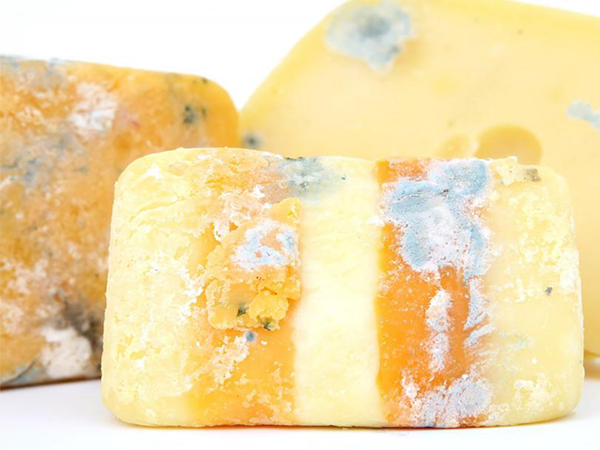
We've all experienced it—reaching into the refrigerator or pantry expecting to use a favorite ingredient, only to discover it's spoiled. Knowing how to recognize the warning signs of food spoilage can help you avoid foodborne illness, reduce unnecessary food waste, and make smarter decisions about what is still safe to eat.
While some foods lose quality over time, others can become unsafe due to bacteria, mold, or improper storage. Understanding the difference can protect both your health and your wallet.
Below are seven common signs that your food has gone bad and what to do when you notice them.
Preventing spoilage starts with proper food storage. These simple habits can help extend freshness and reduce waste:
When you're uncertain, it's always better to be cautious. Discarding one questionable item is far preferable to risking food poisoning. Developing good food safety habits not only protects your health but also helps reduce waste by ensuring food is stored and used properly.
While some foods lose quality over time, others can become unsafe due to bacteria, mold, or improper storage. Understanding the difference can protect both your health and your wallet.
Below are seven common signs that your food has gone bad and what to do when you notice them.
-
Foul or Unusual Odor
Your sense of smell is often the first clue that food has spoiled. Fresh foods should smell normal for their type, while spoiled foods often develop sour, rancid, fermented, or otherwise unpleasant odors.
If an item suddenly smells "off," don't ignore it. A strong, unexpected odor usually means bacteria or other microorganisms have begun breaking the food down. When in doubt, throw it out. -
Visible Mold Growth
Mold is one of the easiest signs of food spoilage to spot. It commonly appears on bread, fruits, vegetables, cheese, and leftovers.
Although you can sometimes safely trim mold from certain hard cheeses or firm vegetables, most soft foods should be discarded entirely because mold roots can spread beyond what is visible. Some molds also produce harmful toxins that aren't visible. -
Changes in Texture
Spoiled food often feels different than it should.
Watch for signs such as:- Slimy fruits or vegetables
- Sticky or tacky meat
- Mushy produce that was once firm
- Dairy products that have separated unexpectedly
-
Discoloration or Strange Appearance
Appearance matters when evaluating food safety.
Be cautious if you notice:- Darkened or faded produce
- Unusual spots or discoloration
- Cloudy liquids
- Meat that has developed an unusual gray, green, or iridescent appearance
- Eggs with discolored whites or yolks after cracking
-
Swollen or Damaged Packaging
Bacteria can produce gases that cause containers to swell.
Never consume food from:- Bulging cans
- Puffing vacuum-sealed packages
- Swollen jars
- Containers with broken seals or leaking lids
-
Expiration, "Best By," and "Use By" Dates
Many people automatically throw food away once they see the printed date, but it's helpful to understand what those labels mean.- Best By dates generally indicate peak quality rather than safety.
- Use By dates are more closely tied to food safety, especially for highly perishable products.
- Sell By dates are intended primarily for retailers to manage inventory.
-
Sour Taste or Off-Flavors
Taste should always be your last test—not your first.
If food looks or smells questionable, don't sample it. However, if a food appears normal but tastes noticeably sour, bitter, fermented, or otherwise different from expected, stop eating it immediately and discard the remainder.
Remember that some harmful bacteria don't change a food's taste, smell, or appearance, making proper storage and handling just as important as using your senses.
Preventing spoilage starts with proper food storage. These simple habits can help extend freshness and reduce waste:
- Refrigerate perishable foods within two hours of cooking or purchasing.
- Keep your refrigerator at or below 40°F (4°C) and your freezer at 0°F (-18°C).
- Store raw meat separately from ready-to-eat foods to prevent cross-contamination.
- Label leftovers with the date they were prepared.
- Rotate pantry and refrigerator items using the "first in, first out" method.
- Regularly clean your refrigerator and pantry to prevent hidden mold and bacteria.
When you're uncertain, it's always better to be cautious. Discarding one questionable item is far preferable to risking food poisoning. Developing good food safety habits not only protects your health but also helps reduce waste by ensuring food is stored and used properly.