
Common Reasons for Bare Lawn Spots
Even a well-maintained lawn can develop bare spots where grass struggles to grow. Recognizing the common causes of these patches is the first step toward bringing your lawn back to life.
Compacted Soil Limits Growth
When soil is compacted by foot traffic, machinery, or other pressure, it becomes hard for air, water, and nutrients to reach grass roots. This stress often leads to thinning turf and bare patches. Core aeration, the process of pulling small soil plugs to loosen the ground, can help restore healthy root growth, especially if done yearly in busy areas.
Drainage Issues Can Suffocate Grass
Grass needs soil that’s moist but well-drained. Poor drainage causes water to pool and can suffocate the roots, often resulting in dying grass and exposed soil. Fixes may include regrading low spots, installing drains, redirecting water runoff, watering less, or adding organic matter to improve soil drainage.
Too Much Thatch Blocks Vital Resources
A thin layer of thatch protects grass, but excessive buildup creates a barrier that stops water and nutrients from reaching the roots. If your lawn feels spongy or patchy, dethatching or aerating can remove this excess and encourage stronger root development.
Mowing Mistakes Damage Grass
Cutting grass too short, using dull mower blades, or mowing during hot weather can weaken grass and cause bare spots. For a healthier lawn, keep mower blades sharp, never cut more than one-third of the grass height at once, and follow height guidelines suited to your grass type.
Shade, Poor Soil, and Pests Affect Lawn Health
Grass generally needs several hours of sunlight each day. Areas shaded by trees or structures may grow thinly. Pruning, selecting shade-tolerant grasses, and minimizing competition from other plants can help. Additionally, testing soil for nutrients and pH balance allows you to amend it appropriately with fertilizers or compost. Keep an eye out for pests or diseases that damage grass roots or blades, and treat them quickly to prevent spread.
Pet Activity and Foot Traffic Wear Turf
Frequent use of certain spots by pets or people can wear down grass quickly. To protect your lawn, rotate activity areas, use stepping stones to divert foot traffic, rinse pet urine spots promptly, and reseed worn patches with hardy grass varieties.
How to Revive Bare Spots
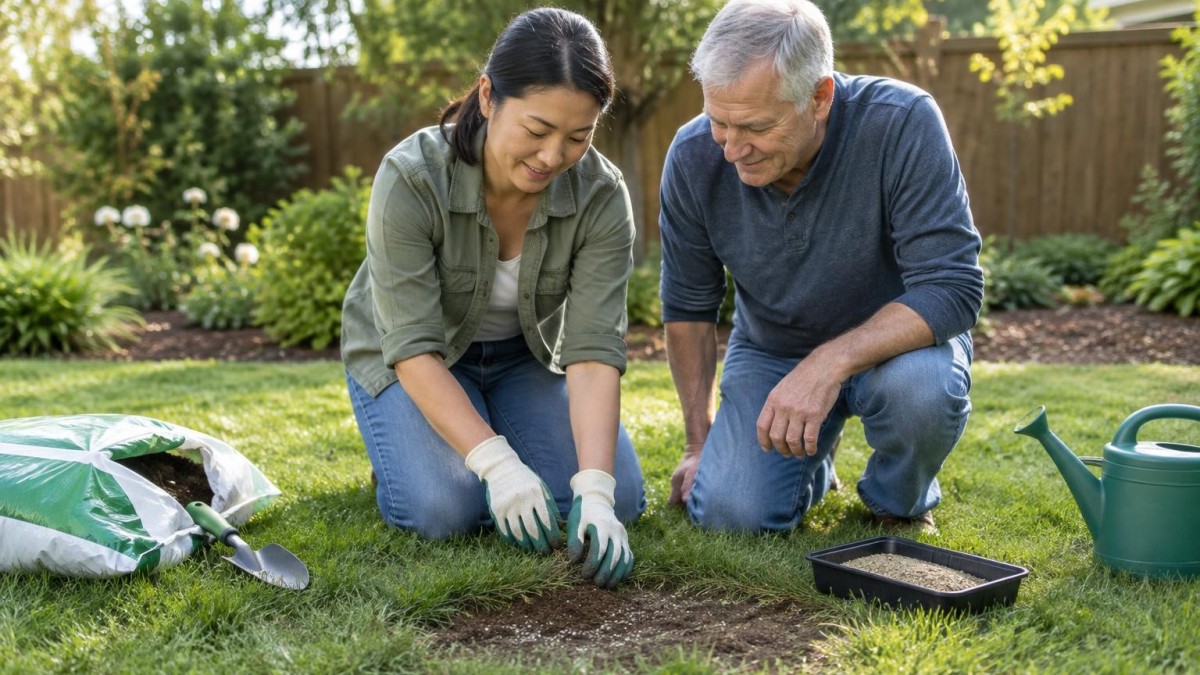
Once you’ve addressed the cause, repair bare patches by removing dead grass, loosening the soil, adding quality topsoil or compost, and reseeding with the same grass type. Cover lightly with soil or mulch, keep the area moist, and avoid walking on it until new grass grows. Early fall and spring offer the best weather for seed germination and root development.
By diagnosing problems and adjusting care, you can restore your lawn’s green, healthy look and enjoy a lush yard year-round.
Newsletter Station provides professionally written, ready-to-send newsletters customized for your market and brand.
EXPLORE NEWSLETTER OPTIONS