
FEATURE ARTICLE
What Size Should a Raised Garden Bed Be? A Guide to Choosing the Right Dimensions
Jul 29, 2026
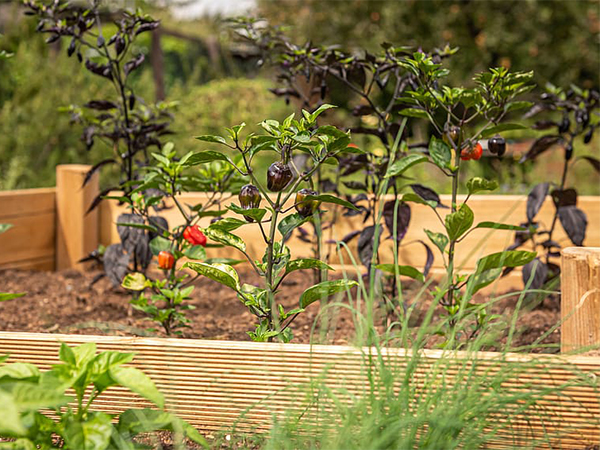
Raised garden beds are one of the easiest and most effective ways to grow vegetables, herbs, flowers, and other plants. Whether you're an experienced gardener or just getting started, raised beds offer numerous advantages, including better drainage, improved soil quality, fewer weeds, and easier maintenance.
One of the first decisions you'll make is choosing the right size for your raised garden bed. The ideal dimensions depend on your available space, the types of plants you want to grow, and how you plan to maintain your garden.
This guide will help you determine the best raised garden bed size for your needs and set you up for gardening success.
Benefits of Raised Garden Beds
Before selecting a size, it's helpful to understand why raised beds have become so popular.
Raised garden beds offer several advantages:
While custom sizes work well for many gardens, these dimensions are among the most popular:
4 ft × 4 ft
A classic square bed that works well in smaller spaces.
Benefits include:
Advantages include:
Whether you're gardening on a patio, along a fence, or in a compact backyard, a custom-sized raised bed can help you make the most of your available space.
Tips for Planning Your Raised Garden Bed
Before building, consider these additional recommendations:
Can You Have More Than One Raised Bed?
Absolutely.
Many gardeners eventually expand by adding multiple raised beds instead of one large structure.
Several smaller beds often provide advantages such as:
Finding the Perfect Raised Garden Bed
There isn't a single "perfect" size for every raised garden bed. The ideal dimensions depend on your available space, gardening experience, accessibility needs, and the types of plants you want to grow.
For many home gardeners, a bed approximately 4 feet wide offers the best balance of accessibility and planting space. Choosing the appropriate depth ensures healthy root development and supports a wide variety of vegetables, herbs, flowers, and other plants.
Start with a size that fits your current needs and available space. As your gardening skills and confidence grow, you can always expand your garden, experiment with new crops, and enjoy the many rewards that raised garden beds have to offer.
One of the first decisions you'll make is choosing the right size for your raised garden bed. The ideal dimensions depend on your available space, the types of plants you want to grow, and how you plan to maintain your garden.
This guide will help you determine the best raised garden bed size for your needs and set you up for gardening success.
Benefits of Raised Garden Beds
Before selecting a size, it's helpful to understand why raised beds have become so popular.
Raised garden beds offer several advantages:
- Improved soil drainage.
- Better control over soil quality.
- Reduced soil compaction.
- Easier weed management.
- Improved accessibility.
- Longer growing seasons in some climates.
- Better organization and crop planning.
-
Available Garden Space
Begin by measuring the area where you plan to install your raised bed.
Consider:- Overall yard size.
- Sunlight exposure.
- Nearby trees.
- Buildings or fences.
- Water access.
- Walking paths around the bed.
Leave enough room around the bed to walk comfortably, water, harvest, and perform maintenance. -
Accessibility
One of the greatest advantages of raised beds is that they reduce bending and make gardening more comfortable.
For easy access:- Keep the width no greater than about 4 feet if you can reach from both sides.
- If the bed is accessible from only one side, consider limiting the width to about 2 to 3 feet.
- Leave walking paths of at least 18 to 24 inches between beds.
-
Your Gardening Goals
Think about what you hope to accomplish.
Are you planning to:- Grow a few herbs?
- Plant vegetables for your family?
- Create a flower garden?
- Grow enough produce for preserving or sharing?
As your confidence grows, you can always expand your garden. -
Plant Selection
Different plants require different amounts of growing space.
For example:- Leafy greens can be planted fairly close together.
- Herbs generally require moderate spacing.
- Tomatoes, peppers, cucumbers, squash, and other larger plants need significantly more room.
- Vining crops may require trellises to maximize growing space.
-
Soil Depth
The depth of your raised bed is just as important as its length and width.
General recommendations include:- 6–8 inches: Herbs, lettuce, spinach, and shallow-rooted plants.
- 10–12 inches: Most vegetables.
- 12–18 inches: Tomatoes, peppers, beans, and many root vegetables.
- 18 inches or more: Deep-rooted crops such as carrots, potatoes, and parsnips.
While custom sizes work well for many gardens, these dimensions are among the most popular:
4 ft × 4 ft
A classic square bed that works well in smaller spaces.
Benefits include:
- Easy access from all sides.
- Efficient use of space.
- Ideal for beginners.
- Great for square-foot gardening.
- 4 ft × 8 ft
Advantages include:
- Plenty of planting space.
- Efficient layout for vegetables.
- Easy maintenance.
- Compatible with many garden plans.
- 3 ft × 6 ft
- Excellent accessibility.
- Good flexibility for mixed plantings.
- A practical choice for medium-sized yards.
- Custom Sizes
Whether you're gardening on a patio, along a fence, or in a compact backyard, a custom-sized raised bed can help you make the most of your available space.
Tips for Planning Your Raised Garden Bed
Before building, consider these additional recommendations:
- Place taller plants where they won't shade smaller crops.
- Install irrigation or watering systems before filling the bed.
- Add quality compost to improve soil health.
- Use durable materials designed for outdoor use.
- Plan crop rotation if you grow vegetables each year.
Can You Have More Than One Raised Bed?
Absolutely.
Many gardeners eventually expand by adding multiple raised beds instead of one large structure.
Several smaller beds often provide advantages such as:
- Easier maintenance.
- Better crop rotation.
- Improved organization.
- Simpler watering.
- Greater flexibility for seasonal planting.
Finding the Perfect Raised Garden Bed
There isn't a single "perfect" size for every raised garden bed. The ideal dimensions depend on your available space, gardening experience, accessibility needs, and the types of plants you want to grow.
For many home gardeners, a bed approximately 4 feet wide offers the best balance of accessibility and planting space. Choosing the appropriate depth ensures healthy root development and supports a wide variety of vegetables, herbs, flowers, and other plants.
Start with a size that fits your current needs and available space. As your gardening skills and confidence grow, you can always expand your garden, experiment with new crops, and enjoy the many rewards that raised garden beds have to offer.