
FEATURE ARTICLE
Advancing Your Firearms Skills Through Safe and Responsible Training
Jul 22, 2026
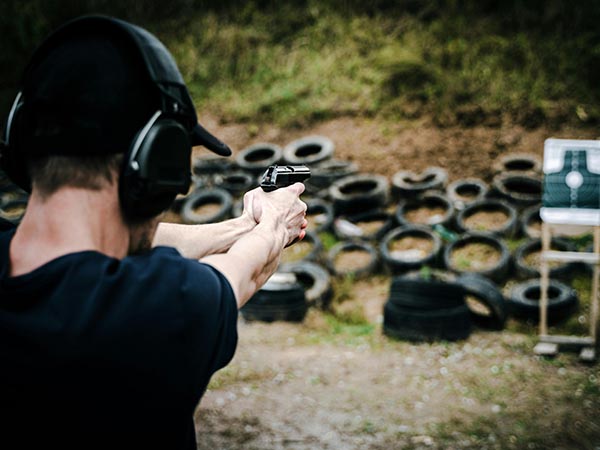
Owning a firearm comes with an ongoing commitment to safety, education, and responsible handling. Whether you enjoy recreational target shooting, compete in organized events, work in law enforcement, or carry a firearm for personal protection where legally permitted, developing your skills through structured training can improve confidence, accuracy, and safe firearm handling.
Building advanced firearms skills isn't about shooting faster alone—it's about making safe, consistent, and informed decisions every time you handle a firearm. The following training concepts can help experienced shooters continue developing their abilities while reinforcing the fundamentals that matter most.
Build a Strong Foundation First
Before moving into more advanced techniques, ensure your fundamentals are solid. Even highly experienced shooters regularly practice the basics because consistent performance begins with proper technique.
Focus on:
Improve Precision and Accuracy
Precision shooting requires consistency rather than speed. Whether you're shooting at longer distances or aiming for tighter groupings, small improvements in technique often produce significant gains in accuracy.
Consider incorporating these practices into your training routine:
Dry Fire Practice
Dry fire training allows you to safely practice trigger control, sight alignment, and firearm manipulation without live ammunition. Always verify the firearm is unloaded, remove all ammunition from the practice area, and follow established dry-fire safety procedures.
Refine Trigger Control
A smooth, consistent trigger press minimizes movement before the shot breaks, helping improve shot placement.
Focus on Follow-Through
Maintain your sight picture after each shot, rather than immediately looking for the result. Good follow-through promotes consistency and reinforces proper shooting mechanics.
Develop Speed Without Sacrificing Accuracy
In competitive shooting sports and defensive training, efficiency matters. However, speed should never come at the expense of safe firearm handling or accurate shot placement.
Training methods may include:
Practice Movement Safely
Many organized training programs introduce movement as skills progress. Learning to maintain balance and proper shooting fundamentals while moving can improve coordination and firearm handling.
Work with qualified instructors to practice:
Train for Low-Light Conditions
Many defensive incidents and training scenarios occur in reduced lighting. Learning to identify targets and operate your firearm safely under low-light conditions can be an important part of advanced firearms education.
Training topics often include:
Continue Learning Through Professional Instruction
One of the best ways to improve is by attending professional firearms courses. Qualified instructors can identify habits you may not notice on your own and provide structured feedback that accelerates learning.
Advanced courses often cover:
Practice Regularly and Safely
Skill development comes from consistent, deliberate practice—not simply firing more rounds.
Create a training plan that includes:
Responsible Ownership Never Stops
Becoming a better shooter is a lifelong process built on education, discipline, and safety. As your skills grow, so should your commitment to responsible firearm ownership, secure storage, and continued learning.
Whether your goal is to improve marksmanship, participate in shooting sports, or increase confidence with your firearm, consistent practice and professional instruction will help you develop safer, more effective shooting skills while reinforcing the habits that responsible firearm owners value most.
Building advanced firearms skills isn't about shooting faster alone—it's about making safe, consistent, and informed decisions every time you handle a firearm. The following training concepts can help experienced shooters continue developing their abilities while reinforcing the fundamentals that matter most.
Build a Strong Foundation First
Before moving into more advanced techniques, ensure your fundamentals are solid. Even highly experienced shooters regularly practice the basics because consistent performance begins with proper technique.
Focus on:
- Safe firearm handling at all times
- Proper grip and stance
- Sight alignment and sight picture
- Smooth, controlled trigger press
- Consistent follow-through after each shot
Improve Precision and Accuracy
Precision shooting requires consistency rather than speed. Whether you're shooting at longer distances or aiming for tighter groupings, small improvements in technique often produce significant gains in accuracy.
Consider incorporating these practices into your training routine:
Dry Fire Practice
Dry fire training allows you to safely practice trigger control, sight alignment, and firearm manipulation without live ammunition. Always verify the firearm is unloaded, remove all ammunition from the practice area, and follow established dry-fire safety procedures.
Refine Trigger Control
A smooth, consistent trigger press minimizes movement before the shot breaks, helping improve shot placement.
Focus on Follow-Through
Maintain your sight picture after each shot, rather than immediately looking for the result. Good follow-through promotes consistency and reinforces proper shooting mechanics.
Develop Speed Without Sacrificing Accuracy
In competitive shooting sports and defensive training, efficiency matters. However, speed should never come at the expense of safe firearm handling or accurate shot placement.
Training methods may include:
- Practicing smooth target transitions
- Developing consistent firearm presentation from a safe starting position
- Using a shot timer to measure progress over time
- Eliminating unnecessary movement through repetition
Practice Movement Safely
Many organized training programs introduce movement as skills progress. Learning to maintain balance and proper shooting fundamentals while moving can improve coordination and firearm handling.
Work with qualified instructors to practice:
- Forward and rearward movement
- Lateral movement
- Proper footwork
- Maintaining balance while engaging targets
Train for Low-Light Conditions
Many defensive incidents and training scenarios occur in reduced lighting. Learning to identify targets and operate your firearm safely under low-light conditions can be an important part of advanced firearms education.
Training topics often include:
- Proper use of weapon-mounted or handheld lights where appropriate
- Understanding target identification before firing
- Practicing safe flashlight techniques
- Learning how changing light conditions affectthe sight picture and visibility
Continue Learning Through Professional Instruction
One of the best ways to improve is by attending professional firearms courses. Qualified instructors can identify habits you may not notice on your own and provide structured feedback that accelerates learning.
Advanced courses often cover:
- Defensive shooting fundamentals
- Competitive shooting techniques
- Decision-making under stress
- Safe firearm manipulation
- Scenario-based training appropriate for the environment
Practice Regularly and Safely
Skill development comes from consistent, deliberate practice—not simply firing more rounds.
Create a training plan that includes:
- Dry fire practice between range visits
- Accuracy-focused drills
- Safe firearm handling exercises
- Periodic skills assessments
- Ongoing education on firearm laws and safety practices
Responsible Ownership Never Stops
Becoming a better shooter is a lifelong process built on education, discipline, and safety. As your skills grow, so should your commitment to responsible firearm ownership, secure storage, and continued learning.
Whether your goal is to improve marksmanship, participate in shooting sports, or increase confidence with your firearm, consistent practice and professional instruction will help you develop safer, more effective shooting skills while reinforcing the habits that responsible firearm owners value most.