
FEATURE ARTICLE
6 Signs Your Car Battery May Need to Be Replaced
Jul 22, 2026
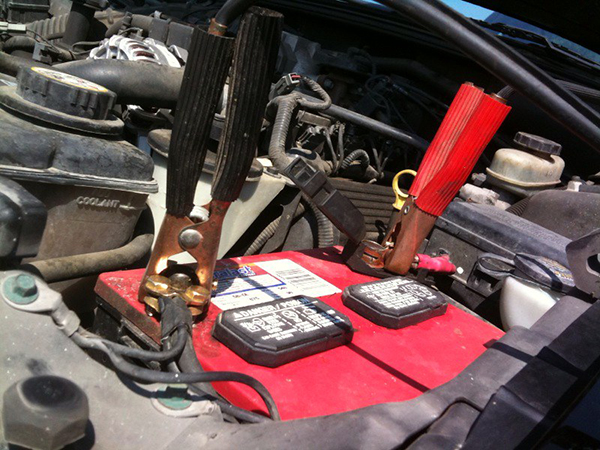
Your car's battery is essential for starting the engine and powering critical electrical systems. While batteries are built to last, they don't last forever. A weakening battery can leave you stranded at the most inconvenient time—whether you're heading to work, running errands, or traveling on a cold winter morning.
Recognizing the early warning signs of a failing battery can help you replace it before it fails and avoid an unexpected breakdown.
Other symptoms that may indicate it's time for a replacement include:
How to Extend Battery Life
A few simple maintenance habits can help maximize battery performance:
Your vehicle's battery plays a vital role in reliable starting and powering important electrical systems. Paying attention to early warning signs—such as slow engine cranking, dim lights, dashboard warning lights, cold-weather starting issues, corrosion, or an aging battery—can help you avoid unexpected breakdowns and costly inconvenience.
Routine battery inspections and timely replacement are inexpensive investments that help keep your vehicle dependable, safe, and ready for the road in every season.
Recognizing the early warning signs of a failing battery can help you replace it before it fails and avoid an unexpected breakdown.
-
Slow Engine Crank
One of the earliest and most noticeable signs of a failing battery is a slow engine crank.
When you start your vehicle, the engine should turn over quickly. If it cranks more slowly than usual or hesitates before starting, your battery may no longer be providing enough power.
While other issues can also cause slow starting, an aging battery is often the culprit. -
Dim or Flickering Lights
Your battery powers your headlights, interior lighting, dashboard, and other electrical components.
If you notice:- Dim headlights
- Flickering interior lights
- Dashboard lights that appear weaker than normal
These symptoms should be inspected before they lead to a complete battery failure. -
Battery Warning Light
Most modern vehicles include a battery or charging system warning light on the dashboard.
If this light comes on while driving, it may indicate:- A weak battery
- Charging system problems
- A failing alternator
- Loose battery connections
-
Trouble Starting in Cold Weather
Cold temperatures place extra strain on automotive batteries.
If your vehicle struggles to start on chilly mornings or requires multiple attempts to start, your battery may be nearing the end of its life.
Extreme heat can also shorten battery life over time, making seasonal battery inspections a smart preventive measure. -
Corroded Battery Terminals
Inspect your battery occasionally for signs of corrosion around the terminals.
A white, blue, or green powdery buildup can interfere with electrical connections and reduce battery performance.
Cleaning corrosion may temporarily restore proper contact, but recurring corrosion could indicate an aging battery or another issue that should be professionally inspected. -
Your Battery Is More Than Three to Five Years Old
Most vehicle batteries last between three and five years, although the actual lifespan depends on:- Climate
- Driving habits
- Vehicle type
- Frequency of use
- Battery quality
Other symptoms that may indicate it's time for a replacement include:
- Clicking sounds when turning the key
- Electrical accessories are operating slowly
- Frequent jump-starts
- Swollen or bulging battery case
- Unusual sulfur or "rotten egg" odor near the battery
How to Extend Battery Life
A few simple maintenance habits can help maximize battery performance:
- Keep battery terminals clean.
- Ensure battery connections remain tight.
- Limit unnecessary electrical use when the engine is off.
- Drive regularly to keep the battery charged.
- Have the battery tested during routine service appointments.
Your vehicle's battery plays a vital role in reliable starting and powering important electrical systems. Paying attention to early warning signs—such as slow engine cranking, dim lights, dashboard warning lights, cold-weather starting issues, corrosion, or an aging battery—can help you avoid unexpected breakdowns and costly inconvenience.
Routine battery inspections and timely replacement are inexpensive investments that help keep your vehicle dependable, safe, and ready for the road in every season.