
Understanding Separation Anxiety in Dogs
Dogs thrive on social interaction and form close bonds with their owners, which makes them wonderful companions. However, this bond can sometimes lead to separation anxiety, causing dogs to feel distressed when left alone. Symptoms might include excessive barking, chewing, scratching, or accidents indoors. These behaviors are signs of emotional discomfort rather than mischief.
Steps to Help Your Dog Feel Secure
One effective way to ease your dog’s anxiety is to make your departures and arrivals low-key to reduce stress. Try practicing brief absences by picking up your keys or putting on your coat without leaving immediately, then gradually extend the time you spend away. When you come home, keep greetings calm to help your dog understand that leaving and returning are normal daily events.
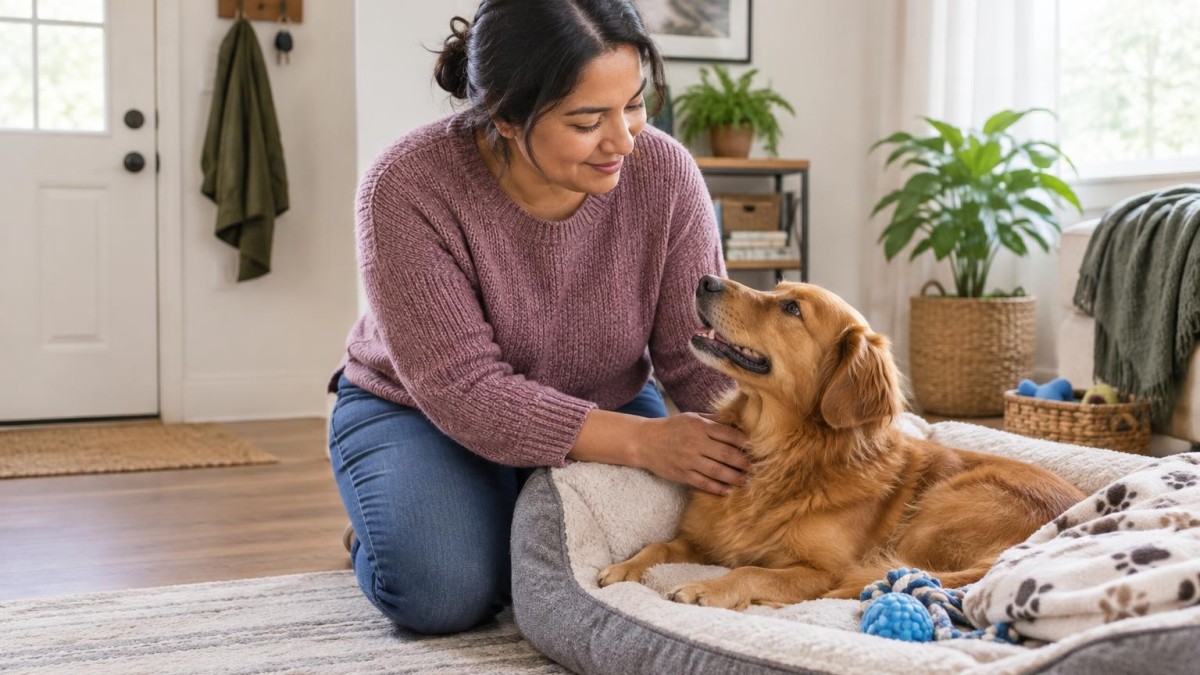
Creating a safe, comfortable spot for your dog can also help. This could be a cozy bed, crate, or a corner with familiar toys and a blanket carrying your scent. Make this area inviting and positive; it should never be associated with punishment.
Keeping a consistent routine adds predictability and security. Regular feeding times, walks, play, and rest help your dog know what to expect each day, which can lessen anxiety.
Physical and Mental Enrichment
Before you leave, help burn off your dog’s excess energy with a walk, playtime, or training exercises. Provide mental challenges like puzzle toys or treat-dispensing items to keep your dog engaged and distracted while you’re away.
Using counterconditioning techniques helps your dog form positive associations with your departures. For example, when picking up your keys, offer a special treat or favorite toy to replace anxiety with something pleasant over time.
Start with short periods alone and gradually increase the time, ensuring your dog feels comfortable at each stage. This slow approach prevents overwhelming them and builds their confidence.
Additional Tips and When to Seek Help
Avoid punishing your dog for anxious behaviors—this can worsen their fear. Instead, reward calm behavior and patience. Some dogs benefit from calming aids like pheromone diffusers, anxiety wraps, or soothing music, but these work best alongside training and routine.
If anxiety remains severe despite your efforts, a veterinarian or professional trainer can offer guidance tailored to your dog's needs. Medical evaluation can rule out other causes and discuss treatment options, including behavior therapy or medication.
While adding another pet might seem like a solution, separation anxiety usually centers on absence from a particular person, so a companion isn’t always the answer. If you consider it, ensure it suits your lifestyle and your dog’s temperament.
Remember, helping a dog manage separation anxiety requires time, commitment, and kindness. Celebrate small victories like calmer departures and longer alone times. With steady support, your dog can learn to feel safe and relaxed even when you're not around.
Newsletter Station provides professionally written, ready-to-send newsletters customized for your market and brand.
EXPLORE NEWSLETTER OPTIONS