
FEATURE ARTICLE
How to Grow Wood Anemone Flowers for a Beautiful Shade Garden
Jul 22, 2026
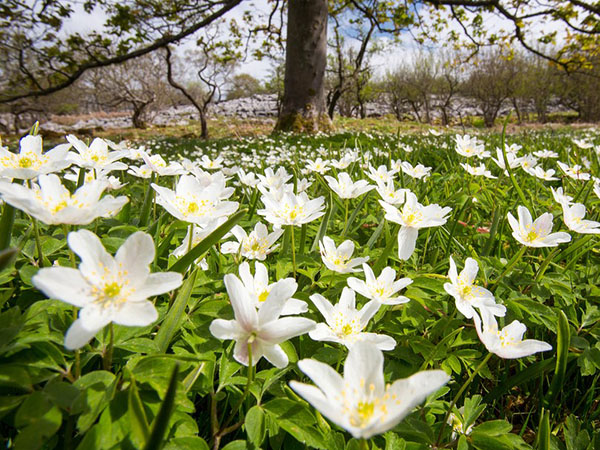
If you have a shaded area in your garden that needs a touch of natural beauty, wood anemone flowers are an excellent choice. These delicate perennial blooms create a woodland-inspired atmosphere with their graceful flowers, lush foliage, and ability to thrive where many other plants struggle.
Perfect for shade gardens, beneath trees, and naturalized landscapes, wood anemones bring seasonal color and charm while requiring relatively little maintenance once established.
This guide explores the characteristics of wood anemones, ideal growing conditions, planting techniques, and essential care tips to help you create a beautiful, thriving display.
Understanding Wood Anemone Flowers
Wood anemones (Anemone nemorosa) are charming perennial wildflowers belonging to the buttercup family. Native to Europe and parts of Asia, these plants naturally grow in woodland areas, where they form carpets of delicate blooms across forest floors during spring.
Their flowers typically appear in shades of:
Wood anemones spread slowly through underground rhizomes, eventually forming attractive colonies that return year after year.
Ideal Growing Conditions for Wood Anemones
Wood anemones naturally grow in forest environments, so they perform best in cool, shaded locations that mimic their native habitat.
Light Requirements
Wood anemones prefer:
Avoid planting them in areas with intense afternoon sun, as excessive heat and direct sunlight can stress the foliage and flowers.
Soil Requirements
These flowers prefer rich, organic soil similar to what is found on a forest floor.
The ideal soil should be:
Moisture Needs
Wood anemones enjoy consistently moist soil, especially during active growth in spring.
However, overly wet soil can lead to root problems. Good drainage is essential to prevent the rhizomes from rotting.
Temperature and Hardiness
Wood anemones are cold-hardy plants that naturally experience winter dormancy. They tolerate frost and cooler temperatures and typically return each spring when growing conditions improve.
Planting Wood Anemones
Planting wood anemones is relatively simple, but proper timing and preparation will improve their success.
Choose the Right Planting Time
The best time to plant wood anemones is generally in the fall. Planting before winter allows the rhizomes to establish roots before spring growth begins.
They can also be planted in early spring if the soil is workable.
Prepare the Soil
Before planting:
For best results:
Add Mulch
A layer of organic mulch, such as shredded leaves or compost, helps:
Watering
Keep soil consistently moist during the growing season, especially during dry periods.
Deep watering once or twice per week may be beneficial depending on rainfall and soil conditions.
Fertilizing
Wood anemones generally do not require heavy feeding.
A light application of compost or a balanced, slow-release fertilizer in early spring can encourage healthy growth and flowering.
Avoid excessive fertilizer, as too many nutrients can encourage foliage growth at the expense of blooms.
Weed Control
Keep the area around your plants free of aggressive weeds. Because wood anemones spread gradually, heavy competition can limit their growth.
Hand-pulling weeds is often the safest approach to avoid damaging the shallow rhizomes.
Dividing Plants
Over time, wood anemones may form dense colonies. If flowering decreases or plants become crowded, divide the rhizomes after flowering or during dormancy.
Replant divided sections in suitable shaded areas to expand your garden display.
Allow Natural Dormancy
After flowering, the foliage will naturally fade and disappear as the plant enters dormancy.
Avoid removing leaves too early, as the plant uses this time to store energy for future growth.
Design Ideas for Wood Anemones
Wood anemones work beautifully in natural garden settings.
Consider planting them:
Growing wood anemone flowers is a wonderful way to add elegance and woodland charm to shaded areas of your garden. Their delicate blooms, easy-care nature, and ability to return each spring make them a valuable addition to many landscapes.
By providing the right combination of shade, moisture, rich soil, and proper planting techniques, you can enjoy a beautiful colony of wood anemones that enhances your outdoor space for years to come.
Perfect for shade gardens, beneath trees, and naturalized landscapes, wood anemones bring seasonal color and charm while requiring relatively little maintenance once established.
This guide explores the characteristics of wood anemones, ideal growing conditions, planting techniques, and essential care tips to help you create a beautiful, thriving display.
Understanding Wood Anemone Flowers
Wood anemones (Anemone nemorosa) are charming perennial wildflowers belonging to the buttercup family. Native to Europe and parts of Asia, these plants naturally grow in woodland areas, where they form carpets of delicate blooms across forest floors during spring.
Their flowers typically appear in shades of:
- White
- Soft pink
- Light blue
- Lavender
Wood anemones spread slowly through underground rhizomes, eventually forming attractive colonies that return year after year.
Ideal Growing Conditions for Wood Anemones
Wood anemones naturally grow in forest environments, so they perform best in cool, shaded locations that mimic their native habitat.
Light Requirements
Wood anemones prefer:
- Partial shade
- Full shade
- Filtered sunlight
Avoid planting them in areas with intense afternoon sun, as excessive heat and direct sunlight can stress the foliage and flowers.
Soil Requirements
These flowers prefer rich, organic soil similar to what is found on a forest floor.
The ideal soil should be:
- Well-draining
- Moist but not soggy
- Rich in compost or organic matter
- Slightly acidic to neutral
Moisture Needs
Wood anemones enjoy consistently moist soil, especially during active growth in spring.
However, overly wet soil can lead to root problems. Good drainage is essential to prevent the rhizomes from rotting.
Temperature and Hardiness
Wood anemones are cold-hardy plants that naturally experience winter dormancy. They tolerate frost and cooler temperatures and typically return each spring when growing conditions improve.
Planting Wood Anemones
Planting wood anemones is relatively simple, but proper timing and preparation will improve their success.
Choose the Right Planting Time
The best time to plant wood anemones is generally in the fall. Planting before winter allows the rhizomes to establish roots before spring growth begins.
They can also be planted in early spring if the soil is workable.
Prepare the Soil
Before planting:
- Loosen the soil in the planting area.
- Add compost or organic matter if needed.
- Remove competing weeds.
- Ensure the area has proper drainage.
- Plant the Rhizomes
For best results:
- Plant rhizomes about 1 to 2 inches deep.
- Space them approximately 2 to 4 inches apart.
- Position growing points upward.
- Cover gently with soil.
Add Mulch
A layer of organic mulch, such as shredded leaves or compost, helps:
- Retain soil moisture
- Regulate soil temperature
- Mimic a natural woodland environment
- Reduce weed growth
- Caring for Wood Anemone Flowers
Watering
Keep soil consistently moist during the growing season, especially during dry periods.
Deep watering once or twice per week may be beneficial depending on rainfall and soil conditions.
Fertilizing
Wood anemones generally do not require heavy feeding.
A light application of compost or a balanced, slow-release fertilizer in early spring can encourage healthy growth and flowering.
Avoid excessive fertilizer, as too many nutrients can encourage foliage growth at the expense of blooms.
Weed Control
Keep the area around your plants free of aggressive weeds. Because wood anemones spread gradually, heavy competition can limit their growth.
Hand-pulling weeds is often the safest approach to avoid damaging the shallow rhizomes.
Dividing Plants
Over time, wood anemones may form dense colonies. If flowering decreases or plants become crowded, divide the rhizomes after flowering or during dormancy.
Replant divided sections in suitable shaded areas to expand your garden display.
Allow Natural Dormancy
After flowering, the foliage will naturally fade and disappear as the plant enters dormancy.
Avoid removing leaves too early, as the plant uses this time to store energy for future growth.
Design Ideas for Wood Anemones
Wood anemones work beautifully in natural garden settings.
Consider planting them:
- Beneath shade trees
- Along woodland paths
- Around ferns and hostas
- In cottage gardens
- In naturalized landscape areas
Growing wood anemone flowers is a wonderful way to add elegance and woodland charm to shaded areas of your garden. Their delicate blooms, easy-care nature, and ability to return each spring make them a valuable addition to many landscapes.
By providing the right combination of shade, moisture, rich soil, and proper planting techniques, you can enjoy a beautiful colony of wood anemones that enhances your outdoor space for years to come.