
FEATURE ARTICLE
Understanding Chiropractic Subluxations: What They Mean and How They Are Treated
Jul 22, 2026
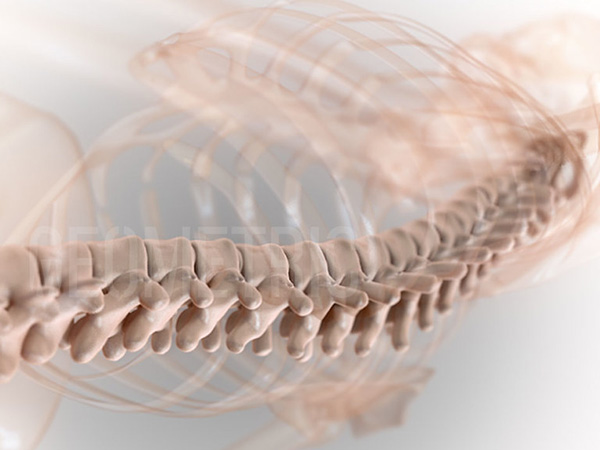
Chiropractic care has become a popular option for people seeking relief from certain musculoskeletal concerns, including back pain, neck discomfort, joint stiffness, and mobility challenges. One of the key concepts often discussed in chiropractic care is the idea of subluxations.
The term can have different meanings depending on the healthcare perspective. Within chiropractic practice, subluxations are commonly described as changes in the alignment or movement of the spine or other joints that may contribute to discomfort or reduced function. However, it is important to understand that this concept is interpreted differently across healthcare fields, and the broader medical community does not universally recognize chiropractic subluxations.
This guide explores what chiropractic subluxations are, how chiropractors evaluate them, common treatment approaches, and what to consider when deciding whether chiropractic care may be right for you.
Understanding Chiropractic Subluxations
In chiropractic terminology, a subluxation generally refers to an area where a joint—often a spinal joint—may not be moving or functioning optimally. Chiropractors believe these changes can affect surrounding tissues, including muscles, ligaments, and nerves, potentially contributing to pain, stiffness, or limited movement.
Chiropractic theory traditionally suggests that spinal alignment plays an important role in overall body function because the spine protects the nervous system. Some chiropractors focus on correcting subluxations through adjustments to improve joint movement and reduce discomfort.
From a conventional medical perspective, the term “subluxation” is typically used differently, often referring to a partial joint dislocation or a measurable structural change. Because of these differing definitions, patients should discuss their specific diagnosis and treatment goals with qualified healthcare providers.
How Chiropractors Identify Subluxations
Chiropractors use several methods to evaluate areas of concern and determine whether chiropractic treatment may be appropriate. Evaluations typically include a combination of health history, physical examination, movement assessments, and, when needed, diagnostic imaging.
Common signs that may lead a chiropractor to evaluate for joint dysfunction include:
Treatment plans vary depending on a person’s symptoms, health history, and goals. Chiropractic care often includes spinal adjustments along with other supportive techniques designed to improve mobility and reduce discomfort.
Many people report improvements in pain levels, mobility, and quality of life after receiving chiropractic care. Research supports chiropractic treatment as an option for managing certain musculoskeletal conditions, particularly some forms of back pain.
However, the concept of subluxations and their broader effects on overall health remains debated among healthcare professionals. Chiropractic care should be viewed as one part of a comprehensive approach to wellness rather than a replacement for necessary medical treatment.
Before beginning treatment, consider:
While many patients find chiropractic care helpful for managing certain musculoskeletal issues, understanding both the potential benefits and limitations is essential. By working with qualified healthcare professionals and choosing a treatment plan that fits your individual needs, you can make informed decisions about your spinal health and overall wellness.
The term can have different meanings depending on the healthcare perspective. Within chiropractic practice, subluxations are commonly described as changes in the alignment or movement of the spine or other joints that may contribute to discomfort or reduced function. However, it is important to understand that this concept is interpreted differently across healthcare fields, and the broader medical community does not universally recognize chiropractic subluxations.
This guide explores what chiropractic subluxations are, how chiropractors evaluate them, common treatment approaches, and what to consider when deciding whether chiropractic care may be right for you.
Understanding Chiropractic Subluxations
In chiropractic terminology, a subluxation generally refers to an area where a joint—often a spinal joint—may not be moving or functioning optimally. Chiropractors believe these changes can affect surrounding tissues, including muscles, ligaments, and nerves, potentially contributing to pain, stiffness, or limited movement.
Chiropractic theory traditionally suggests that spinal alignment plays an important role in overall body function because the spine protects the nervous system. Some chiropractors focus on correcting subluxations through adjustments to improve joint movement and reduce discomfort.
From a conventional medical perspective, the term “subluxation” is typically used differently, often referring to a partial joint dislocation or a measurable structural change. Because of these differing definitions, patients should discuss their specific diagnosis and treatment goals with qualified healthcare providers.
How Chiropractors Identify Subluxations
Chiropractors use several methods to evaluate areas of concern and determine whether chiropractic treatment may be appropriate. Evaluations typically include a combination of health history, physical examination, movement assessments, and, when needed, diagnostic imaging.
Common signs that may lead a chiropractor to evaluate for joint dysfunction include:
-
Pain and Discomfort
Localized or radiating pain is one of the most common reasons people seek chiropractic care. Discomfort may occur in areas such as:- The neck
- Upper back
- Lower back
- Shoulders
- Hips
- Other joints
-
Limited Range of Motion
Difficulty moving a joint normally may indicate stiffness, muscle tightness, or other mechanical issues.
,br> Examples include:- Difficulty turning your head
- Reduced flexibility
- Stiffness after sitting for long periods
- Trouble performing certain movements
-
Muscle Tightness and Spasms
Muscles surrounding a painful or restricted area may tighten as the body attempts to protect itself. This can lead to:- Muscle soreness
- Tension
- Reduced flexibility
- Discomfort during movement
-
Nerve-Related Symptoms
Some patients experience symptoms such as:- Tingling
- Numbness
- Weakness
- Pain that travels into the arms or legs
Treatment plans vary depending on a person’s symptoms, health history, and goals. Chiropractic care often includes spinal adjustments along with other supportive techniques designed to improve mobility and reduce discomfort.
-
Spinal Adjustments
The goals of adjustments may include:- Improving joint mobility
- Reducing stiffness
- Supporting normal movement patterns
- Relieving certain types of discomfort
-
Instrument-Assisted Techniques
Some chiropractors use handheld devices to deliver controlled adjustments with less manual force.
These techniques may appeal to patients who prefer a gentler approach or have specific comfort preferences. -
Manual Manipulation
Traditional chiropractic adjustments involve carefully applied pressure or movement by the chiropractor’s hands.
The technique used depends on the patient’s condition, comfort level, and treatment plan. -
Flexion-Distraction Therapy
Flexion-distraction uses a specialized table that gently stretches and moves the spine.
It is commonly used for some lower back concerns and may help reduce pressure and improve mobility in certain patients. -
Drop Table Techniques
A drop table allows sections of the treatment table to move slightly during an adjustment. This can help chiropractors apply controlled techniques while reducing the force required. -
Soft Tissue Therapy
Many chiropractic treatment plans include approaches that target muscles and connective tissues, such as:- Stretching exercises
- Massage techniques
- Myofascial release
- Mobility exercises
Many people report improvements in pain levels, mobility, and quality of life after receiving chiropractic care. Research supports chiropractic treatment as an option for managing certain musculoskeletal conditions, particularly some forms of back pain.
However, the concept of subluxations and their broader effects on overall health remains debated among healthcare professionals. Chiropractic care should be viewed as one part of a comprehensive approach to wellness rather than a replacement for necessary medical treatment.
Before beginning treatment, consider:
- Discussing your symptoms with a healthcare professional
- Choosing a licensed and qualified chiropractor
- Sharing your complete health history
- Asking questions about treatment goals and expectations
- Making an Informed Decision About Chiropractic Care
While many patients find chiropractic care helpful for managing certain musculoskeletal issues, understanding both the potential benefits and limitations is essential. By working with qualified healthcare professionals and choosing a treatment plan that fits your individual needs, you can make informed decisions about your spinal health and overall wellness.