
FEATURE ARTICLE
How to Remove a Tree Stump: Safe and Effective Methods for Your Yard
Jul 22, 2026
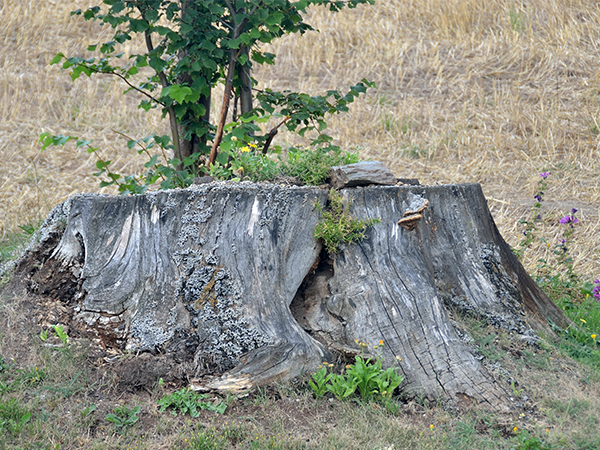
Removing a tree from your yard can improve safety, eliminate damaged or diseased trees, and create space for new landscaping projects. However, after the tree is gone, you may be left with an unwanted tree stump that affects the appearance and usability of your outdoor space.
Tree stumps can create several problems, including:
Once the stump is removed, you can restore the space in several ways:
When to Hire a Professional
Professional stump removal may be the best choice if:
Removing a tree stump can take time and effort, but eliminating it can improve your yard's appearance, safety, and functionality. Whether you choose manual removal, stump grinding, chemical treatment, or natural decomposition, selecting the right method depends on your specific situation.
For larger or more challenging stumps, professional removal is often the safest and most efficient option. Once the stump is gone, you'll have a cleaner, more usable outdoor space ready for your next landscaping project.
Tree stumps can create several problems, including:
- Tripping hazards for family members and guests
- Obstacles when mowing or maintaining your lawn
- Attraction points for insects and pests
- Potential regrowth from remaining roots
- Barriers to future planting or construction projects
-
Evaluate the Stump Before Removal
Before choosing a removal method, inspect the stump carefully.
Consider:- Size: Larger stumps require more equipment and effort.
- Age: Fresh stumps are typically harder to remove, while older, decaying stumps may be easier to break apart.
- Root system: Some trees develop extensive root networks that make removal more challenging.
- Location: Stumps near structures, utility lines, or landscaping features may require professional assistance.
-
Manual Stump Removal
For smaller stumps, removing the stump by hand may be possible with the right tools and patience.
You may need:- Shovel
- Axe or pruning saw
- Mattock
- Root saw
- Gloves and protective equipment
Manual removal can be a cost-effective option, but it requires significant physical effort and may not be practical for larger trees. -
Stump Grinding
Stump grinding is one of the most common and efficient methods for removing tree stumps.
A stump grinder uses a rotating cutting wheel to break the stump into small wood chips. The remaining material can be removed or used as mulch.
Benefits of stump grinding include:- Faster removal compared to manual methods
- Minimal disruption to surrounding landscaping
- Ability to remove the visible portion of the stump
- Quicker preparation for replanting or lawn restoration
-
Chemical Stump Removal
Chemical stump removers can speed up the natural decomposition process.
This method typically involves:- Drilling holes into the stump.
- Applying a stump removal product according to manufacturer instructions.
- Adding moisture to encourage breakdown.
- Waiting for the wood to soften over time.
Always follow product directions carefully and consider environmental impacts before using chemical treatments. -
Natural Stump Decomposition
If you're not in a hurry, allowing the stump to decay naturally can be the simplest approach.
You can encourage decomposition by:- Covering the stump with soil or mulch
- Adding compost around the area
- Keeping the stump moist
- Allowing fungi and microorganisms to break down the wood
-
Burning a Tree Stump (Use Extreme Caution)
Burning is sometimes used to remove stumps, but it can be risky and may be restricted by local regulations.
Before considering this method, check local fire rules and restrictions. Stumps can smolder underground for long periods, creating potential fire hazards.
If burning is permitted, safety precautions are essential, including:- Keeping water or a fire extinguisher nearby
- Monitoring the area continuously
- Avoiding burning during dry or windy conditions
Once the stump is removed, you can restore the space in several ways:
- Fill the hole with topsoil and reseed grass.
- Add new landscaping plants.
- Create a garden bed.
- Install decorative features such as mulch or stone.
When to Hire a Professional
Professional stump removal may be the best choice if:
- The stump is large or deeply rooted.
- It is located near buildings, sidewalks, or utility lines.
- You do not have the necessary equipment.
- You want the job completed quickly and safely.
Removing a tree stump can take time and effort, but eliminating it can improve your yard's appearance, safety, and functionality. Whether you choose manual removal, stump grinding, chemical treatment, or natural decomposition, selecting the right method depends on your specific situation.
For larger or more challenging stumps, professional removal is often the safest and most efficient option. Once the stump is gone, you'll have a cleaner, more usable outdoor space ready for your next landscaping project.