
FEATURE ARTICLE
How to Choose the Perfect Grout Color for Your Tile Floor
Jul 22, 2026
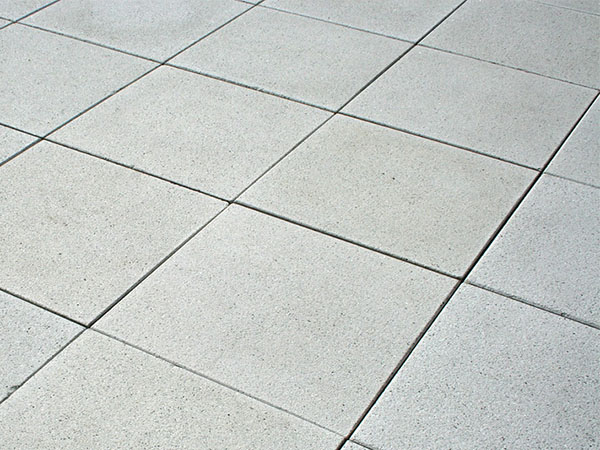
When designing or renovating a home, every detail contributes to the overall look and feel of a space—including the grout color you choose for your tile floor. While grout serves an important practical purpose by securing tiles, filling gaps, and helping prevent moisture from reaching the subfloor, it also has a major impact on your room’s appearance.
The right grout color can highlight the beauty of your tile, create a seamless design, or add contrast that makes patterns stand out. On the other hand, choosing the wrong shade can make a carefully designed space feel unbalanced or dated.
With countless grout colors available, selecting the best option can feel overwhelming. By considering your tile style, room design, maintenance needs, and long-term goals, you can choose a grout color that enhances your flooring and complements your home.
Choosing the perfect grout color is an important step in creating a beautiful tile floor. The right shade can enhance your tile pattern, improve the overall appearance of your room, and provide a balance between style and practicality.
By considering your home's design style, tile color, maintenance needs, lighting, and personal preferences, you can confidently select a grout color that completes your flooring project.
The right grout color can highlight the beauty of your tile, create a seamless design, or add contrast that makes patterns stand out. On the other hand, choosing the wrong shade can make a carefully designed space feel unbalanced or dated.
With countless grout colors available, selecting the best option can feel overwhelming. By considering your tile style, room design, maintenance needs, and long-term goals, you can choose a grout color that enhances your flooring and complements your home.
-
Consider the Overall Style of Your Space
Your home's interior design style should guide your grout color selection. Different shades create different moods and can either blend into the background or become a noticeable design feature.
Traditional Style
For classic or timeless interiors, neutral grout colors are often the best choice. Shades such as:- Beige
- Soft gray
- Almond
- Warm white
Contemporary spaces often benefit from stronger contrasts. Dark gray or black grout paired with light-colored tiles can create a dramatic, clean-lined appearance.
Contrasting grout is especially effective with:- Subway tile
- Geometric patterns
- Large-format tiles
- Minimalist designs
- Rustic or Farmhouse Style
- Tan
- Sand
- Terracotta
- Warm gray
Coastal Style
Light and airy designs often pair well with:- White grout
- Soft gray
- Light blue tones
-
Match or Contrast Your Tile Color
One of the most important decisions is whether you want your grout to blend with your tile or create contrast.
Matching Grout
Selecting a grout color similar to your tile creates a smooth, continuous appearance. This approach can make a room feel larger and allows the tile itself to remain the main design feature.
Matching grout works especially well with:- Large-format tiles
- Natural stone looks
- Neutral color palettes
- Modern minimalist designs
- Contrasting Grout
Contrasting grout is often used with:- Subway tile
- Mosaic designs
- Hexagon tiles
- Decorative patterns
-
Think About Maintenance and Lifestyle
Grout color affects how much cleaning and maintenance your floor may require.
Light-colored grout can create a bright, clean appearance but may show:- Dirt
- Spills
- Foot traffic marks
- Stains
- Soap residue
- Mineral deposits
- Fading over time
Using a quality grout sealer can also help protect against stains and make cleaning easier. -
Consider Tile Size and Grout Line Width
The size of your tiles and the spacing between them can influence how your grout color affects the room.
Large Tiles
Large-format tiles with narrow grout lines create a streamlined appearance and can make smaller spaces feel more open.
Small Tiles
Smaller tiles with wider grout lines create more visual texture and can emphasize patterns.
A high-contrast grout color will make grout lines more noticeable, while a matching grout color creates a more unified look. -
Consider Lighting Conditions
Lighting can significantly affect how grout colors appear. A shade that looks perfect in a showroom may appear different once installed in your home.
Before making a final decision:- View samples in natural daylight.
- Check the color under your home's artificial lighting.
- Compare grout samples directly next to your tile.
- Observe the samples at different times of day.
-
Think About Long-Term Design Appeal
While trendy grout colors can create a dramatic effect, consider how your choice will age over time. Flooring is a long-term investment, so select a color that complements your home’s design and will remain appealing for years.
Neutral grout shades often provide the greatest flexibility, while bold contrasts can create a more distinctive statement.
Choosing the perfect grout color is an important step in creating a beautiful tile floor. The right shade can enhance your tile pattern, improve the overall appearance of your room, and provide a balance between style and practicality.
By considering your home's design style, tile color, maintenance needs, lighting, and personal preferences, you can confidently select a grout color that completes your flooring project.