
FEATURE ARTICLE
Is It Safe to Take Expired Medication? What You Need to Know
Jul 22, 2026
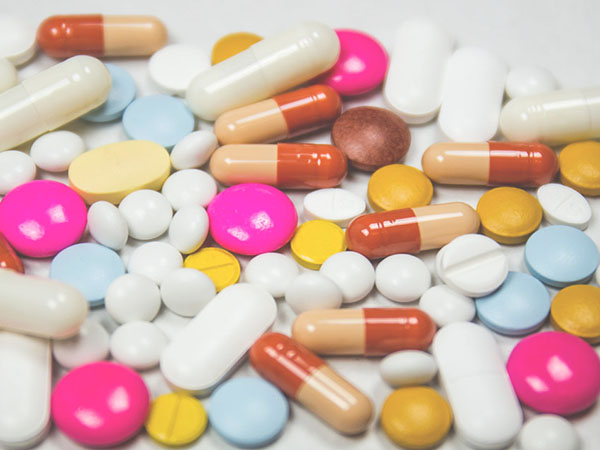
Most people have discovered an expired bottle of medication tucked away in a medicine cabinet and wondered whether it's still safe to take. While it may seem wasteful to throw away unused medicine, using expired medications isn't always harmless.
Expiration dates are established to ensure medications maintain their quality, safety, and effectiveness through a specific period when stored correctly. After that date, some medications may gradually lose potency, while others can become unstable or unsafe to use.
Understanding how expiration dates work and knowing which medications should never be taken after they expire can help you make safer decisions for yourself and your family.
What Does a Medication Expiration Date Mean?
The expiration date printed on prescription and over-the-counter medications represents the period during which the manufacturer can guarantee the product's full strength, quality, and safety when stored according to its instructions.
An expired medication doesn't automatically become dangerous the day after its expiration date. However, manufacturers cannot guarantee that it will continue to perform as intended beyond that point.
Over time, medications may:
What Affects Medication Stability?
Several factors determine how well a medication holds up over time.
The answer depends on the medication and your medical situation.
Some Over-the-Counter Medications
Certain over-the-counter medications, such as some pain relievers or allergy medications, may retain much of their effectiveness for a period after expiration if stored properly.
However, reduced potency means they may not work as well, and there is no guarantee of effectiveness.
Prescription Medications
Prescription medications should generally not be used after their expiration date without consulting a healthcare provider or pharmacist.
This is especially important if the medication treats a chronic condition or serious illness.
Medications That Should Never Be Used After Expiration
Certain medications should always be replaced once they expire because reduced effectiveness could have serious consequences.
These include:
What About Antibiotics?
Using leftover or expired antibiotics is generally not recommended.
Expired antibiotics may:
When Should You Throw Medication Away?
It's best to dispose of medications if they are:
Safe Medication Disposal Tips
Proper disposal protects children, pets, and the environment.
Many communities offer:
Keep Your Medicine Cabinet Safe
A few simple habits can help ensure your medications remain effective:
When you're uncertain about an expired medication, your pharmacist or healthcare provider is the best source of guidance. Taking a few moments to verify that your medication is safe can help protect your health and ensure you're receiving the treatment you need.
Expiration dates are established to ensure medications maintain their quality, safety, and effectiveness through a specific period when stored correctly. After that date, some medications may gradually lose potency, while others can become unstable or unsafe to use.
Understanding how expiration dates work and knowing which medications should never be taken after they expire can help you make safer decisions for yourself and your family.
What Does a Medication Expiration Date Mean?
The expiration date printed on prescription and over-the-counter medications represents the period during which the manufacturer can guarantee the product's full strength, quality, and safety when stored according to its instructions.
An expired medication doesn't automatically become dangerous the day after its expiration date. However, manufacturers cannot guarantee that it will continue to perform as intended beyond that point.
Over time, medications may:
- Lose potency
- Break down chemically
- Become contaminated if improperly stored
- Deliver inconsistent doses
What Affects Medication Stability?
Several factors determine how well a medication holds up over time.
-
Storage Conditions
Heat, humidity, sunlight, and moisture can accelerate the breakdown of many medications. Bathrooms and kitchens are often poor storage locations because of fluctuating temperatures and humidity.
Instead, store medications in a cool, dry location unless the label specifies refrigeration. -
Type of Medication
Some dosage forms remain stable longer than others.
Generally, tablets and capsules tend to last longer than:- Liquid medications
- Eye drops
- Ear drops
- Injectable medications
- Reconstituted antibiotics
-
Packaging
Original, unopened packaging helps protect medications from moisture, air, and light.
Moving pills into unmarked containers or pill organizers for extended periods may reduce their stability. -
Active Ingredients
Different medications degrade at different rates. Some active ingredients remain relatively stable for years, while others lose effectiveness much sooner.
The answer depends on the medication and your medical situation.
Some Over-the-Counter Medications
Certain over-the-counter medications, such as some pain relievers or allergy medications, may retain much of their effectiveness for a period after expiration if stored properly.
However, reduced potency means they may not work as well, and there is no guarantee of effectiveness.
Prescription Medications
Prescription medications should generally not be used after their expiration date without consulting a healthcare provider or pharmacist.
This is especially important if the medication treats a chronic condition or serious illness.
Medications That Should Never Be Used After Expiration
Certain medications should always be replaced once they expire because reduced effectiveness could have serious consequences.
These include:
- Insulin
- Epinephrine auto-injectors (such as EpiPens)
- Nitroglycerin
- Certain seizure medications
- Liquid antibiotics
- Eye drops
- Injectable medications
- Biologic medications
What About Antibiotics?
Using leftover or expired antibiotics is generally not recommended.
Expired antibiotics may:
- Be less effective against infection
- Contribute to incomplete treatment
- Encourage antibiotic resistance when not taken as prescribed
When Should You Throw Medication Away?
It's best to dispose of medications if they are:
- Past their expiration date
- Discolored or cloudy
- Crumbling or damaged
- Exposed to excessive heat or moisture
- Missing labels or identification
Safe Medication Disposal Tips
Proper disposal protects children, pets, and the environment.
Many communities offer:
- Pharmacy medication take-back programs
- Community drug disposal events
- Permanent medication disposal kiosks
Keep Your Medicine Cabinet Safe
A few simple habits can help ensure your medications remain effective:
- Check expiration dates every few months.
- Store medications according to label directions.
- Keep medicines in their original containers.
- Replace emergency medications before they expire.
- Discard damaged or outdated medications promptly.
- When in Doubt, Ask a Healthcare Professional
When you're uncertain about an expired medication, your pharmacist or healthcare provider is the best source of guidance. Taking a few moments to verify that your medication is safe can help protect your health and ensure you're receiving the treatment you need.