
Understanding Your Lawn Establishment Options
A thriving, green lawn enhances your home's appearance and value, but deciding how to start that lawn is key. The two common approaches—sodding and seeding—each come with benefits that suit different budgets, timelines, and landscaping goals.
Why Choose Sod?
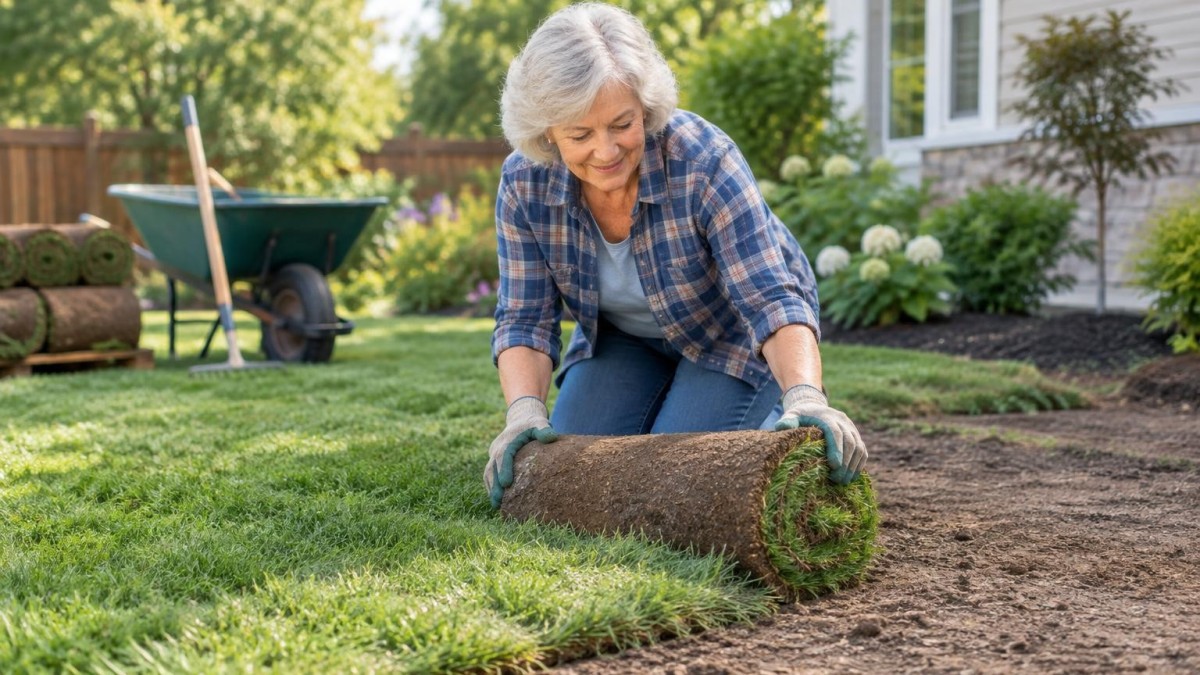
Sodding means laying down pre-grown grass sections onto prepared soil, giving you an almost instant lawn makeover. This method is ideal if you want quick curb appeal because it transforms your yard immediately.
Sod offers several advantages. Its mature root system helps prevent soil erosion, especially on slopes or areas prone to runoff. It also provides a thick grass layer that naturally suppresses many weeds from the start. While sod still needs some time to root firmly, it generally withstands light foot traffic sooner than a seeded lawn.
Benefits of Seeding Your Lawn
Seeding involves planting grass seeds directly into your soil, requiring more patience but offering long-term benefits. It’s a budget-friendly option especially suited for larger areas or when you want to pick from a wide variety of grass types suited for your climate and specific needs.
Growing grass from seed encourages stronger root development, which can improve drought resistance and overall lawn health over time. Seeding also gives you full control over fertilizing, watering, and customizing your lawn care routine.
Key Considerations for Your Choice
Timing is important: sod delivers immediate results, perfect if you need a lawn ready for a special event. Seeding takes longer, as you’ll wait weeks for grass to establish, but is often more cost-effective.
Your budget also matters. Sod involves higher costs due to harvesting, delivery, and installation, while seeding requires a smaller upfront investment but might need more time and effort for watering and weed control during growth.
Climate and soil conditions play a role too. Some grasses perform better from seed, others from sod, so consider your local environment, soil type, sunlight, and drainage when deciding.
Both methods need proper care after installation. New sod requires consistent watering, limited foot traffic, and fertilizing. New seed demands steady moisture, weed management, and patience as it fills in.
Sometimes combining both methods works well—using sod in high-traffic or front yard areas for immediate impact, and seed in larger or less-visible spots to save money.
Choosing between sodding and seeding comes down to your priorities: whether you prefer fast results with less early maintenance or a cost-effective, customizable approach that builds strong roots over time. With good soil prep, regular watering, and proper care, either method can give you a thick, healthy lawn to enjoy for years.
Newsletter Station provides professionally written, ready-to-send newsletters customized for your market and brand.
EXPLORE NEWSLETTER OPTIONS