
FEATURE ARTICLE
Beneficial Garden Spiders: Natural Pest Control for a Healthier Garden
Jul 22, 2026
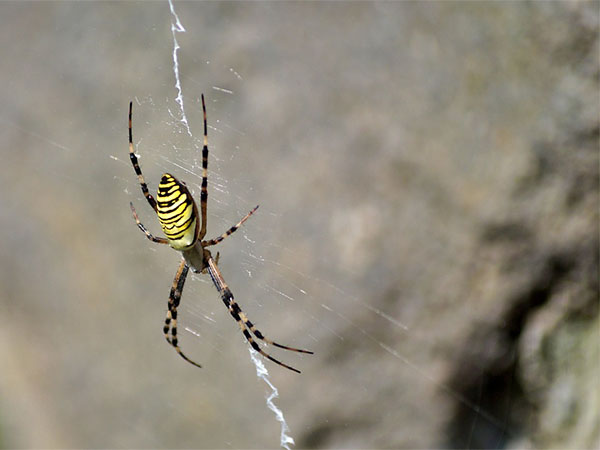
Many gardeners view spiders with caution, but these remarkable creatures are some of the most effective natural pest controllers in the garden. Rather than harming your plants, many common garden spiders help protect flowers, vegetables, shrubs, and trees by feeding on insects that can damage foliage and reduce plant health.
By encouraging beneficial spiders to live in your landscape, you can reduce your reliance on chemical pesticides while supporting a healthier, more balanced garden ecosystem.
Why Garden Spiders Are Beneficial
Spiders are predators, not plant feeders. They do not eat leaves, flowers, fruits, or vegetables. Instead, they help control populations of common garden pests, including:
Creating a spider-friendly garden doesn't mean inviting unwanted pests—it means supporting a balanced ecosystem.
You can encourage beneficial spiders by:
Should You Remove Garden Spiders?
Most garden spiders are harmless to people and pets and prefer to avoid human contact.
If a spider has built a web in a convenient location, consider leaving it alone. Its presence may help reduce the number of insects feeding on your plants throughout the season.
Only relocate spiders when they create a safety concern or interfere with high-traffic areas around your home.
A Natural Alternative to Chemical Pest Control
One of the greatest advantages of beneficial spiders is their ability to provide ongoing pest management without the use of chemicals.
By allowing nature to do some of the work, gardeners can often reduce pesticide applications while promoting healthier plants, protecting pollinators, and supporting local biodiversity.
Garden spiders are valuable allies that help maintain a healthy and balanced outdoor environment. From orb-weavers and jumping spiders to crab spiders and wolf spiders, these beneficial predators help control harmful insects that can damage your plants.
Rather than viewing spiders as unwanted visitors, consider them an important part of your garden's natural defense system. Encouraging beneficial spiders can lead to healthier plants, fewer pest problems, and a more sustainable garden for seasons to come.
By encouraging beneficial spiders to live in your landscape, you can reduce your reliance on chemical pesticides while supporting a healthier, more balanced garden ecosystem.
Why Garden Spiders Are Beneficial
Spiders are predators, not plant feeders. They do not eat leaves, flowers, fruits, or vegetables. Instead, they help control populations of common garden pests, including:
- Aphids
- Mosquitoes
- Flies
- Caterpillars
- Beetles
- Grasshoppers
- Moths
- Leafhoppers
-
Orb-Weaver Spiders (Family: Araneidae)
Orb-weavers are among the most recognizable garden spiders thanks to their beautiful circular webs.
These spiders capture flying insects such as:- Mosquitoes
- Flies
- Wasps
- Moths
Because they help control numerous flying pests, orb-weavers are valuable additions to vegetable gardens, flower beds, and backyard landscapes. -
Jumping Spiders (Family: Salticidae)
Jumping spiders don't rely on webs to catch food.
Instead, they use exceptional eyesight and remarkable jumping ability to stalk and capture prey.
These active hunters commonly feed on:- Aphids
- Small caterpillars
- Beetles
- Leaf-eating insects
-
Crab Spiders (Family: Thomisidae)
Crab spiders are masters of camouflage.
Often hiding inside flowers, they patiently wait for insects to land before capturing them.
Their prey includes:- Flies
- Beetles
- Plant-damaging insects
- Other small garden pests
-
Wolf Spiders (Family: Lycosidae)
Wolf spiders are fast-moving ground hunters that rarely build webs.
Instead, they actively search for insects among mulch, garden beds, and lawns.
They commonly feed on:- Grasshoppers
- Caterpillars
- Beetles
- Crickets
- Various crawling insects
Creating a spider-friendly garden doesn't mean inviting unwanted pests—it means supporting a balanced ecosystem.
You can encourage beneficial spiders by:
- Reducing unnecessary pesticide use.
- Planting a variety of flowers and native plants.
- Leaving small natural areas with mulch or leaf litter.
- Providing diverse plant heights and ground cover.
- Allowing webs in low-traffic garden areas to remain undisturbed.
Should You Remove Garden Spiders?
Most garden spiders are harmless to people and pets and prefer to avoid human contact.
If a spider has built a web in a convenient location, consider leaving it alone. Its presence may help reduce the number of insects feeding on your plants throughout the season.
Only relocate spiders when they create a safety concern or interfere with high-traffic areas around your home.
A Natural Alternative to Chemical Pest Control
One of the greatest advantages of beneficial spiders is their ability to provide ongoing pest management without the use of chemicals.
By allowing nature to do some of the work, gardeners can often reduce pesticide applications while promoting healthier plants, protecting pollinators, and supporting local biodiversity.
Garden spiders are valuable allies that help maintain a healthy and balanced outdoor environment. From orb-weavers and jumping spiders to crab spiders and wolf spiders, these beneficial predators help control harmful insects that can damage your plants.
Rather than viewing spiders as unwanted visitors, consider them an important part of your garden's natural defense system. Encouraging beneficial spiders can lead to healthier plants, fewer pest problems, and a more sustainable garden for seasons to come.