
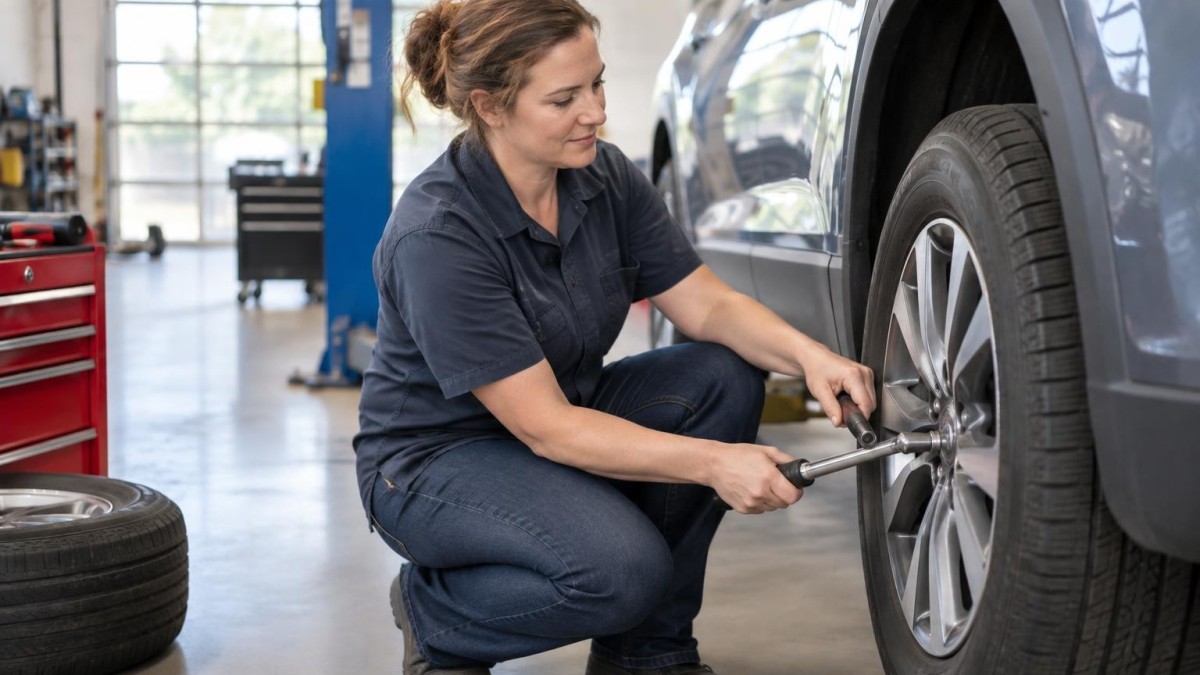
Why Tire Rotation Is Essential for Your Vehicle
Your tires are crucial for your vehicle’s safety and performance, yet tire rotation often gets overlooked. Rotating your tires regularly ensures they wear evenly, which enhances handling, extends tire life, and even boosts fuel efficiency. No matter if you drive daily, commute long distances, or face varying weather conditions, sticking to a proper rotation schedule helps you get the most out of your tires and keeps your vehicle running smoothly.
When and How to Rotate Your Tires
Each tire endures different stress depending on your vehicle’s drivetrain, weight balance, and driving style. For example, front tires on front-wheel-drive cars wear faster because they handle steering, braking, and acceleration. Without rotation, uneven wear can lead to early tire replacement and compromised safety.
It’s generally recommended to rotate your tires every 5,000 to 8,000 miles, often coinciding with oil changes. However, check your owner’s manual for your vehicle's specific guidelines. You might need more frequent rotations if you tow heavy loads, often drive on rough terrain, or drive aggressively.
Signs that your tires need rotation include uneven tread wear, vibrations while driving, increased road noise, pulling to one side, or reduced traction. If you notice any, schedule an inspection promptly to prevent further issues.
Professional Help or DIY?
Tire rotation means moving each tire to a different position on your vehicle to even out wear patterns. The correct method depends on whether your vehicle is front-wheel, rear-wheel, or all-wheel drive, and on whether your tires are directional. Using the wrong pattern can affect performance, so following manufacturer recommendations is key.
If you have the right tools — like a jack, jack stands, and a torque wrench — and feel comfortable, you can rotate tires yourself by following your vehicle's instructions. Otherwise, professional mechanics can handle this during routine service. They’ll also check tire pressure, tread depth, alignment, suspension, and brakes, catching potential problems early.
Don’t Overlook Tire Pressure
While rotating tires, it’s a great opportunity to check and adjust tire pressure according to your vehicle’s specs. Properly inflated tires improve safety, fuel efficiency, tire life, and ride comfort. Even with modern Tire Pressure Monitoring Systems (TPMS), manual checks remain important to maintain optimal performance.
Regular tire rotation is a simple, cost-effective maintenance step that helps you get the best value from your tires. Rotating every 5,000 to 8,000 miles — or as recommended by your manufacturer — reduces uneven wear, improves handling, enhances safety, and can save you money by extending tire life.
Newsletter Station provides professionally written, ready-to-send newsletters customized for your market and brand.
EXPLORE NEWSLETTER OPTIONS