
FEATURE ARTICLE
What Happens If a Baby Tooth Has a Cavity? Why Early Treatment Matters
Jul 15, 2026
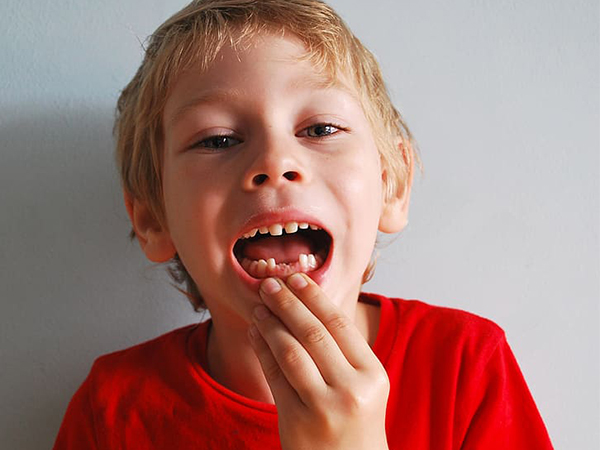
Baby teeth may be temporary, but they play a vital role in your child's oral health and overall development. Also known as primary teeth, they help children chew properly, speak clearly, and hold space for permanent teeth to grow into the correct position.
When a baby tooth develops a cavity, it may seem tempting to wait until the tooth falls out naturally. However, untreated tooth decay can lead to pain, infection, difficulty eating, and future dental problems. Early treatment helps protect your child's comfort, oral health, and developing smile.
Understanding how cavities form and knowing when to seek dental care can make a significant difference in your child's long-term dental health.
What Is a Cavity in a Baby Tooth?
A cavity, also called dental caries or tooth decay, is a damaged area in the tooth caused by bacteria that produce acids after feeding on sugars and carbohydrates. These acids gradually wear away the protective enamel, creating a small hole in the tooth.
Baby teeth have thinner enamel than permanent teeth, which means cavities can progress more quickly if left untreated.
Common factors that increase the risk of cavities include:
How Tooth Decay Progresses
Cavities usually develop in stages.
Stage 1: Enamel Damage
The earliest stage affects the tooth's outer enamel. At this point, the cavity may not cause pain and is often easiest to treat.
Stage 2: Dentin Involvement
As decay continues, it reaches the dentin, the softer layer beneath the enamel. Because dentin is less resistant to decay, the cavity can spread more rapidly.
Children may begin experiencing:
If the cavity reaches the pulp—the center of the tooth containing nerves and blood vessels—it can cause significant pain and infection.
Without treatment, this may lead to a dental abscess that requires prompt professional care.
What Can Happen If a Baby Tooth Cavity Is Left Untreated?
Ignoring a cavity in a baby tooth can affect more than just the tooth itself.
Tooth Pain and Discomfort
As decay progresses, children may experience increasing pain that can interfere with:
Infection
Untreated cavities can allow bacteria to spread deeper into the tooth, increasing the risk of infection or an abscess.
Signs that may require prompt dental evaluation include:
Premature Tooth Loss
Baby teeth serve as natural guides for permanent teeth.
If a baby tooth is lost too early because of severe decay, nearby teeth may shift into the empty space, making it more difficult for permanent teeth to erupt properly. This can increase the likelihood of future orthodontic treatment.
Spread of Tooth Decay
The bacteria responsible for cavities can continue affecting nearby teeth if oral hygiene and treatment are delayed.
Treating one cavity early may help reduce the risk of additional dental problems.
How to Help Prevent Cavities in Baby Teeth
Preventing tooth decay starts with healthy daily habits.
Brush Twice Each Day
Begin brushing as soon as your child's first tooth appears.
Use:
Encourage Healthy Eating Habits
A balanced diet supports both oral and overall health.
Try to:
Schedule Regular Dental Visits
The American Academy of Pediatric Dentistry recommends scheduling a child's first dental visit by their first birthday or within six months after the first tooth erupts.
Routine dental checkups allow dentists to:
Ask About Fluoride Treatments
Fluoride strengthens tooth enamel and helps reduce the risk of cavities.
Depending on your child's needs, the dentist may recommend:
Treat Cavities Promptly
If a cavity develops, early treatment often helps preserve the tooth.
Depending on the size and location of the cavity, treatment may include:
Healthy Baby Teeth Support a Healthy Smile
Although baby teeth eventually fall out, they play an essential role in your child's development and should never be overlooked. Healthy primary teeth support proper chewing, speech development, and the alignment of permanent teeth.
By encouraging good oral hygiene, providing a balanced diet, scheduling regular dental visits, and addressing cavities early, you can help protect your child's smile for years to come. Taking action at the first sign of tooth decay can prevent discomfort today while supporting better oral health in the future.
When a baby tooth develops a cavity, it may seem tempting to wait until the tooth falls out naturally. However, untreated tooth decay can lead to pain, infection, difficulty eating, and future dental problems. Early treatment helps protect your child's comfort, oral health, and developing smile.
Understanding how cavities form and knowing when to seek dental care can make a significant difference in your child's long-term dental health.
What Is a Cavity in a Baby Tooth?
A cavity, also called dental caries or tooth decay, is a damaged area in the tooth caused by bacteria that produce acids after feeding on sugars and carbohydrates. These acids gradually wear away the protective enamel, creating a small hole in the tooth.
Baby teeth have thinner enamel than permanent teeth, which means cavities can progress more quickly if left untreated.
Common factors that increase the risk of cavities include:
- Frequent sugary snacks or drinks
- Poor brushing and flossing habits
- Inadequate fluoride exposure
- Frequent sipping from bottles or sippy cups containing sweetened beverages
- Not visiting the dentist regularly
How Tooth Decay Progresses
Cavities usually develop in stages.
Stage 1: Enamel Damage
The earliest stage affects the tooth's outer enamel. At this point, the cavity may not cause pain and is often easiest to treat.
Stage 2: Dentin Involvement
As decay continues, it reaches the dentin, the softer layer beneath the enamel. Because dentin is less resistant to decay, the cavity can spread more rapidly.
Children may begin experiencing:
- Sensitivity
- Pain when eating
- Discomfort with hot or cold foods
- Difficulty chewing
If the cavity reaches the pulp—the center of the tooth containing nerves and blood vessels—it can cause significant pain and infection.
Without treatment, this may lead to a dental abscess that requires prompt professional care.
What Can Happen If a Baby Tooth Cavity Is Left Untreated?
Ignoring a cavity in a baby tooth can affect more than just the tooth itself.
Tooth Pain and Discomfort
As decay progresses, children may experience increasing pain that can interfere with:
- Eating
- Sleeping
- Speaking
- Concentrating at school or daycare
Infection
Untreated cavities can allow bacteria to spread deeper into the tooth, increasing the risk of infection or an abscess.
Signs that may require prompt dental evaluation include:
- Swelling around the gums
- Severe tooth pain
- Fever
- Facial swelling
- Drainage near the tooth
Premature Tooth Loss
Baby teeth serve as natural guides for permanent teeth.
If a baby tooth is lost too early because of severe decay, nearby teeth may shift into the empty space, making it more difficult for permanent teeth to erupt properly. This can increase the likelihood of future orthodontic treatment.
Spread of Tooth Decay
The bacteria responsible for cavities can continue affecting nearby teeth if oral hygiene and treatment are delayed.
Treating one cavity early may help reduce the risk of additional dental problems.
How to Help Prevent Cavities in Baby Teeth
Preventing tooth decay starts with healthy daily habits.
Brush Twice Each Day
Begin brushing as soon as your child's first tooth appears.
Use:
- A soft-bristled toothbrush
- A small amount of fluoride toothpaste appropriate for your child's age, following your dentist's recommendations
Encourage Healthy Eating Habits
A balanced diet supports both oral and overall health.
Try to:
- Limit sugary snacks and beverages.
- Offer water instead of sugary drinks between meals.
- Include fruits, vegetables, dairy products, and whole grains.
- Reduce frequent snacking, which can increase cavity risk.
Schedule Regular Dental Visits
The American Academy of Pediatric Dentistry recommends scheduling a child's first dental visit by their first birthday or within six months after the first tooth erupts.
Routine dental checkups allow dentists to:
- Monitor tooth development
- Detect cavities early
- Apply preventive treatments when appropriate
- Provide personalized oral hygiene guidance
Ask About Fluoride Treatments
Fluoride strengthens tooth enamel and helps reduce the risk of cavities.
Depending on your child's needs, the dentist may recommend:
- Fluoride varnish
- Fluoride toothpaste
- Other preventive fluoride treatments
Treat Cavities Promptly
If a cavity develops, early treatment often helps preserve the tooth.
Depending on the size and location of the cavity, treatment may include:
- A dental filling
- Protective crowns for larger cavities
- Other restorative procedures recommended by the dentist
Healthy Baby Teeth Support a Healthy Smile
Although baby teeth eventually fall out, they play an essential role in your child's development and should never be overlooked. Healthy primary teeth support proper chewing, speech development, and the alignment of permanent teeth.
By encouraging good oral hygiene, providing a balanced diet, scheduling regular dental visits, and addressing cavities early, you can help protect your child's smile for years to come. Taking action at the first sign of tooth decay can prevent discomfort today while supporting better oral health in the future.