
FEATURE ARTICLE
7 Common Gardening Mistakes That Can Harm Your Plants
Jul 15, 2026
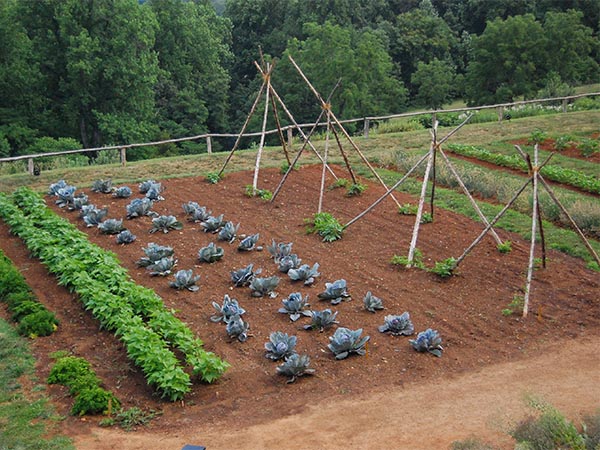
Gardening is a rewarding hobby that adds beauty to your home while providing a relaxing way to spend time outdoors. Whether you're growing flowers, vegetables, herbs, or shrubs, healthy plants require the right balance of water, sunlight, nutrients, and ongoing care.
Even experienced gardeners occasionally make mistakes that can affect plant health. The good news is that most of these issues are easy to avoid with a little knowledge and regular maintenance.
Here are seven common gardening mistakes—and how to prevent them.
Crowding plants too closely together limits airflow, increases humidity, and creates ideal conditions for pests and disease.
Following recommended plant spacing also allows roots to develop properly and gives each plant access to adequate sunlight, water, and nutrients.
Every gardener makes mistakes from time to time, but learning from them is part of becoming a more successful gardener. By avoiding common issues like overwatering, poor soil management, improper pruning, excessive fertilizing, and neglected pest control, you'll create healthier growing conditions for your plants.
With regular observation, proper maintenance, and a little patience, your garden can reward you with beautiful blooms, productive harvests, and vibrant greenery throughout the growing season.
Even experienced gardeners occasionally make mistakes that can affect plant health. The good news is that most of these issues are easy to avoid with a little knowledge and regular maintenance.
Here are seven common gardening mistakes—and how to prevent them.
-
Overwatering Your Plants
Overwatering is one of the most common reasons plants struggle.
Too much water can:- Suffocate plant roots
- Cause root rot
- Encourage fungal diseases
- Attract pests such as fungus gnats
Proper drainage is equally important to prevent standing water around the roots. -
Underwatering
Just as too much water can be harmful, too little water can stress your plants.
Signs of underwatering include:- Wilting leaves
- Brown leaf edges
- Slow growth
- Premature flower or fruit drop
Mulching around plants can also help retain soil moisture and reduce evaporation. -
Ignoring Soil Health
Healthy soil is the foundation of a successful garden.
Compacted, nutrient-poor, or poorly draining soil can limit root growth and reduce plant performance.
Improve your soil by:- Adding compost
- Mixing in organic matter
- Testing soil pH periodically
- Using mulch to improve moisture retention
-
Planting in the Wrong Amount of Sunlight
Every plant has different light requirements.
Some thrive in full sun, while others prefer partial shade or full shade.
Before planting, observe how much sunlight each area of your yard receives throughout the day.
Matching plants to the proper light conditions encourages healthier growth, more flowers, and stronger harvests. -
Improper Pruning
Pruning helps plants stay healthy, but incorrect pruning can do more harm than good.
Avoid:- Removing too much growth at once
- Pruning at the wrong time of year
- Using dull or dirty tools
- Cutting into the main stem unnecessarily
-
Applying Too Much Fertilizer
Plants need nutrients, but more fertilizer isn't always better.
Over-fertilizing can:- Burn plant roots
- Damage foliage
- Reduce flowering
- Encourage weak, rapid growth
-
Overlooking Pests and Plant Diseases
Small problems can become major infestations if left untreated.
Regularly inspect your plants for:- Holes in leaves
- Discolored foliage
- Sticky residue
- Wilting
- Insect activity
- Mold or mildew
Integrated Pest Management (IPM), which combines proper plant care, beneficial insects, physical barriers, and targeted treatments when necessary, is an effective and environmentally responsible approach to protecting your garden.
Crowding plants too closely together limits airflow, increases humidity, and creates ideal conditions for pests and disease.
Following recommended plant spacing also allows roots to develop properly and gives each plant access to adequate sunlight, water, and nutrients.
Every gardener makes mistakes from time to time, but learning from them is part of becoming a more successful gardener. By avoiding common issues like overwatering, poor soil management, improper pruning, excessive fertilizing, and neglected pest control, you'll create healthier growing conditions for your plants.
With regular observation, proper maintenance, and a little patience, your garden can reward you with beautiful blooms, productive harvests, and vibrant greenery throughout the growing season.