
FEATURE ARTICLE
Responsible Concealed Carry Practice: Building Safe Habits and Confidence
Jul 15, 2026
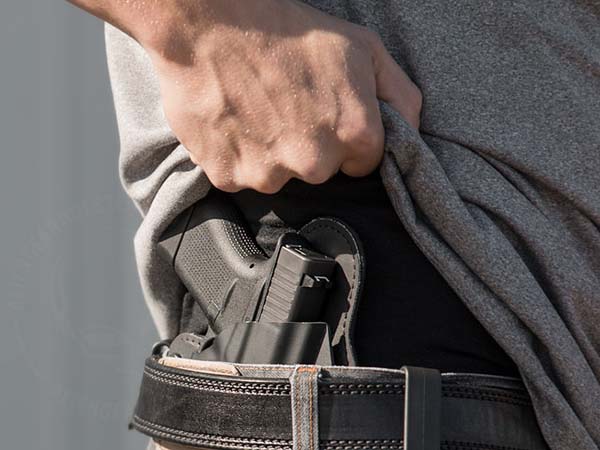
Carrying a concealed firearm is a serious responsibility that requires ongoing education, awareness, and a strong commitment to safety. Whether someone carries for personal protection, professional duties, or another lawful purpose, responsible firearm ownership involves more than simply owning a firearm—it requires developing safe habits, maintaining proper equipment, and continuing education.
Practicing concealed carry skills should always prioritize safety, control, and responsible decision-making. Regular training with qualified instructors and following all applicable laws are essential parts of being a responsible firearm owner.
Here are important considerations for developing safe and responsible concealed carry practices.
Carrying a concealed firearm requires maturity, preparation, and a strong commitment to safety. The most important skills are not only related to equipment or technique but also involve judgment, awareness, and responsible decision-making.
By prioritizing safety, seeking professional education, understanding legal responsibilities, and maintaining good habits, firearm owners can approach concealed carry with the care and responsibility it deserves.
Practicing concealed carry skills should always prioritize safety, control, and responsible decision-making. Regular training with qualified instructors and following all applicable laws are essential parts of being a responsible firearm owner.
Here are important considerations for developing safe and responsible concealed carry practices.
-
Make Safety the Foundation
Safety should always be the priority when handling any firearm. Responsible firearm owners understand and consistently follow fundamental safety principles.
These include:- Treating every firearm as if it is loaded.
- Keeping the firearm pointed in a safe direction.
- Keeping fingers away from the trigger until a decision has been made to fire.
- Being aware of the surroundings and what may be beyond a potential target.
-
Use Proper Equipment
The equipment used for concealed carry plays an important role in responsible ownership. Firearm owners should select equipment that is appropriate for their needs, comfortable, and designed with safety features.
Important considerations include:- A quality holster designed for the specific firearm.
- Secure retention to help prevent unintended movement.
- Proper protection of the trigger area.
- Comfortable and reliable carry options.
-
Practice Safe Familiarization
Before carrying a firearm, owners should become thoroughly familiar with their equipment, local regulations, and safe handling procedures.
Training should focus on:- Understanding firearm operation.
- Learning safe storage practices.
- Becoming familiar with legal responsibilities.
- Developing confidence through structured instruction.
-
Consider Professional Training
Professional instruction is one of the most valuable investments a firearm owner can make. Qualified instructors can provide guidance, identify unsafe habits, and help individuals develop responsible practices.
Training programs may cover topics such as:- Firearm safety fundamentals.
- Legal considerations.
- Situational awareness.
- Responsible decision-making.
- Emergency preparedness.
-
Develop Situational Awareness
Responsible self-defense involves more than firearm skills. Awareness and avoidance are important parts of personal safety.
Situational awareness includes:- Pay attention to your surroundings.
- Recognizing potential risks.
- Making thoughtful decisions.
- Avoiding unnecessary conflicts.
-
Practice Consistency and Responsibility
Like any skill, responsible firearm ownership requires ongoing attention and education. Regular training helps reinforce safe habits and keeps important information fresh.
Responsible practice should always emphasize:- Safety over speed.
- Control over convenience.
- Awareness over reaction.
-
Understand Storage and Security
Safe storage is a critical part of responsible firearm ownership, especially in homes with children, visitors, or others who may not be familiar with firearms.
Consider:- Using secure storage solutions.
- Preventing unauthorized access.
- Following manufacturer recommendations.
- Keeping safety equipment maintained.
-
Stay Current With Laws and Regulations
Firearm laws can vary significantly by location and may change over time. Anyone who carries a concealed firearm should understand the regulations that apply where they live, work, and travel.
Staying informed helps ensure compliance and supports responsible ownership. -
Maintain a Commitment to Learning
Responsible firearm ownership is an ongoing process. Training, education, and awareness should continue throughout the ownership experience.
Many responsible owners regularly review safety practices, participate in educational opportunities, and seek guidance from qualified professionals to improve their knowledge.
Carrying a concealed firearm requires maturity, preparation, and a strong commitment to safety. The most important skills are not only related to equipment or technique but also involve judgment, awareness, and responsible decision-making.
By prioritizing safety, seeking professional education, understanding legal responsibilities, and maintaining good habits, firearm owners can approach concealed carry with the care and responsibility it deserves.