
Understanding Why Dogs Get Motion Sickness
Traveling with your dog can be a wonderful experience, but motion sickness might turn those joyful rides into stressful ordeals. Motion sickness happens when a dog's brain receives mixed signals from the inner ear, eyes, and body during movement, causing feelings of nausea and discomfort.
Dogs often show signs like excessive drooling, lip licking, whining, panting, yawning, vomiting, anxiety, or a general lack of interest in their favorite treats or toys. Recognizing these symptoms early can help you support your dog before travel becomes a source of distress.
Common Causes Behind Dog Motion Sickness
Puppies can be especially prone because their inner ear – crucial for balance – is still developing. Anxiety linked to past experiences such as vet visits or grooming can also worsen symptoms. Dogs unused to car rides often feel overwhelmed by unfamiliar sights and sounds, which adds to their discomfort. Additionally, a warm or stuffy car without good airflow can make motion sickness worse.
How to Help Your Dog Feel Better on the Road
There are several strategies to ease your dog's travel discomfort. Start with gradual desensitization: encourage your dog to sit calmly inside a parked car, rewarding positive behavior with treats or praise. Then move to short trips around the block, slowly increasing length as your dog grows more comfortable.
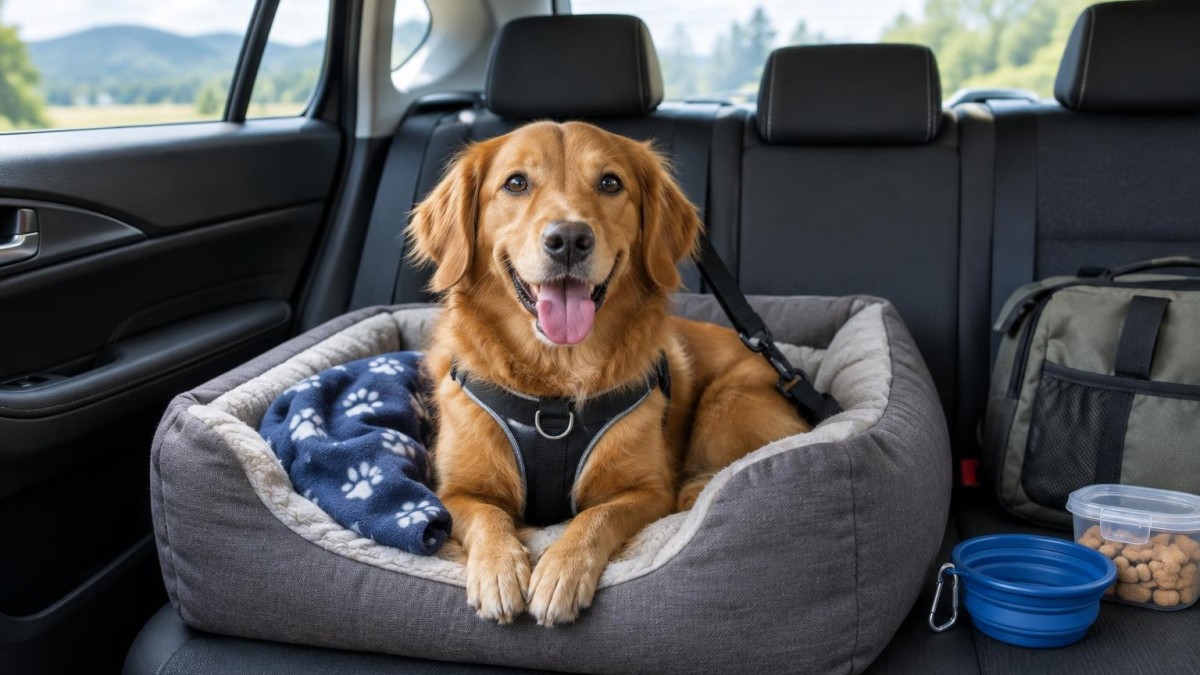
Make the car a cozy and secure space by using a properly fitting harness, crate, or pet seat belt. Adding a familiar blanket or toy can offer comfort, while keeping the car cool with good ventilation helps reduce nausea and restlessness. Avoid feeding your dog right before travel; a full stomach might worsen motion sickness.
Your calm presence plays a big role. Speak softly, avoid sudden moves, and reward your dog’s relaxed behavior. Occasionally taking your dog somewhere fun after a car ride encourages positive associations with travel.
Some owners try natural remedies like ginger, but always check with your veterinarian before giving supplements or medications, especially if your dog has other health issues. For severe cases, your vet might recommend anti-nausea or anxiety medications tailored to your pet.
Finally, if anxiety is a significant factor, working with a professional trainer or behaviorist can help build your dog’s confidence during travel.
Preparing for Longer Trips
Plan ahead by scheduling regular bathroom breaks, bringing water and a travel bowl, packing waste bags, and keeping your dog’s identification up to date. Don’t forget medications or health records if necessary. Good preparation makes travel smoother and safer for both you and your dog.
With patience, preparation, and the right support, many dogs learn to enjoy car rides, turning travel time into a happier experience for your whole family.
Newsletter Station provides professionally written, ready-to-send newsletters customized for your market and brand.
EXPLORE NEWSLETTER OPTIONS