
FEATURE ARTICLE
How to Arrange Flowers Like a Professional Floral Designer
Jul 15, 2026
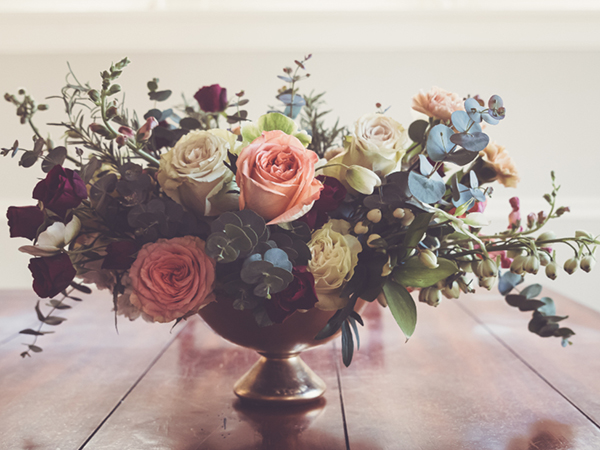
Beautiful floral arrangements can instantly transform a room, add elegance to an event, or bring a touch of nature into your home. While professional floral designers make the process look effortless, creating stunning arrangements is a skill anyone can learn with practice, creativity, and the right techniques.
Whether you are designing a centerpiece for a special occasion, decorating your home, or creating a thoughtful handmade gift, understanding the basics of floral design will help you create arrangements that look balanced, fresh, and visually appealing.
Follow these steps to arrange flowers like a professional.
Whether you're decorating your home, preparing for an event, or simply enjoying a creative hobby, floral arranging is a rewarding way to bring natural beauty and personal expression into any space.
Whether you are designing a centerpiece for a special occasion, decorating your home, or creating a thoughtful handmade gift, understanding the basics of floral design will help you create arrangements that look balanced, fresh, and visually appealing.
Follow these steps to arrange flowers like a professional.
-
Gather Your Materials
Before you begin, collect all the tools and supplies you'll need.
Common floral arranging materials include:- Fresh flowers
- Greenery and foliage
- A vase or decorative container
- Floral shears or sharp scissors
- Floral tape
- Floral wire
- Flower food
- Floral foam or a support structure (optional)
-
Select the Right Flowers
Choosing the right combination of flowers is one of the most important parts of creating a beautiful arrangement.
A professional-looking design usually includes a mix of:- Focal flowers: Large, eye-catching blooms such as roses, peonies, lilies, or sunflowers.
- Filler flowers: Smaller blooms that add fullness and texture.
- Greenery: Leaves, branches, and foliage that provide structure and contrast.
-
Prepare Your Flowers
Proper preparation helps flowers last longer and look their best.
Before arranging:- Trim stems at a diagonal angle to improve water absorption.
- Remove leaves that will sit below the waterline.
- Place flowers in clean water while you work.
- Remove damaged petals or wilted blooms.
-
Choose the Perfect Container
The vase or container should complement the style and size of your arrangement.
Consider:- The height of your flowers
- The width of the opening
- The overall design style
- The location where the arrangement will be displayed
-
Create a Strong Foundation
A professional arrangement starts with a solid structure.
You can create support using:- Floral foam
- Floral tape grids
- Chicken wire
- Natural branches
-
Add Greenery First
Start by creating the foundation with greenery.
Place larger leaves and branches around the outside of the arrangement, then add smaller pieces toward the center. Greenery creates structure, fills empty spaces, and provides a natural backdrop for your flowers.
Think of this step as creating the framework for your design. -
Place Your Focal Flowers
Next, add your largest and most important blooms.
Position focal flowers throughout the arrangement rather than grouping them all in one area. Varying the height and direction of the flowers creates a more natural and professional appearance.
Avoid making the arrangement too symmetrical unless you are intentionally creating a formal design. -
Add Filler Flowers and Texture
Filler flowers help connect the larger blooms and create fullness.
Examples include:- Baby's breath
- Waxflower
- Small daisies
- Statice
-
Focus on Balance and Proportion
Step back frequently while arranging and view your design from different angles.
A balanced arrangement should have:- Even color distribution
- Variety in height and texture
- A natural flow
- Proper proportion between flowers and container
-
Add Final Details
The finishing touches often bring an arrangement together.
Consider adding:- Small accent flowers
- Decorative branches
- Additional greenery
- Seasonal elements
-
Care for Your Floral Arrangement
Proper care helps your flowers stay fresh longer.
To extend the life of your arrangement:- Change the water every few days.
- Trim stems regularly.
- Keep flowers away from direct sunlight.
- Avoid placing arrangements near heating vents or drafts.
- Remove wilted flowers as needed.
-
Let Your Creativity Shine
Floral design is an art form, and there are no limits to creativity.
Experiment with:- Different flower combinations
- Seasonal blooms
- Unique containers
- Asymmetrical designs
- Unexpected colors and textures
Whether you're decorating your home, preparing for an event, or simply enjoying a creative hobby, floral arranging is a rewarding way to bring natural beauty and personal expression into any space.