
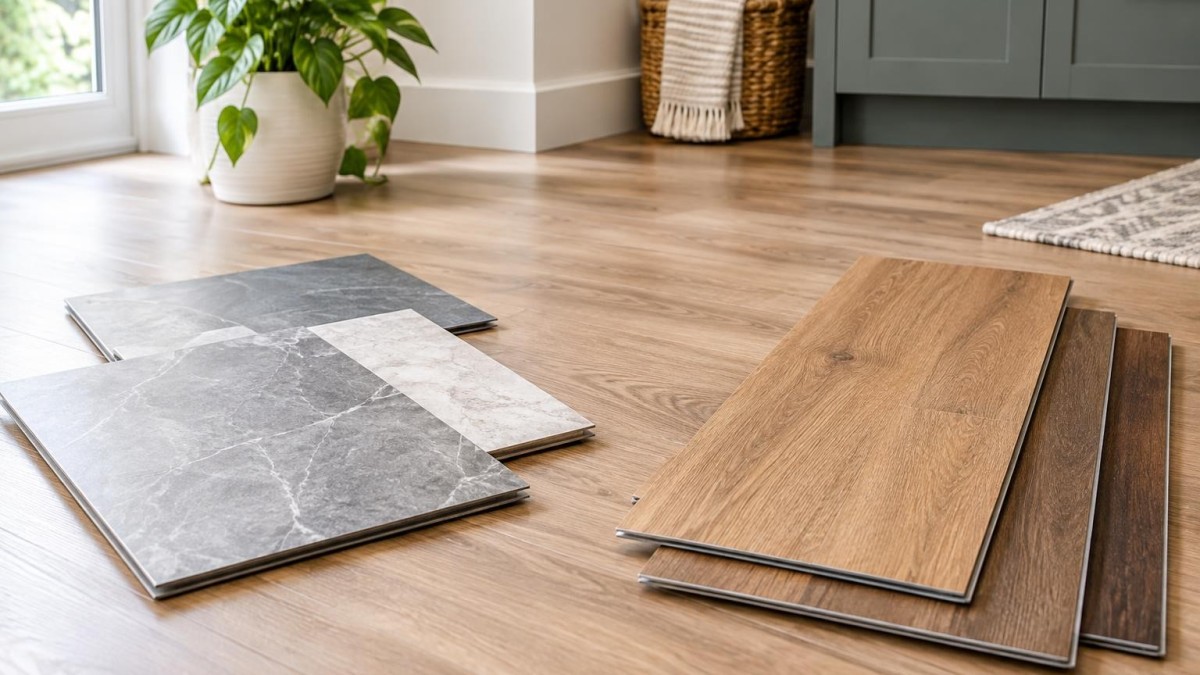
Understanding Luxury Vinyl Flooring
Luxury vinyl flooring has quickly gained popularity among homeowners thanks to its blend of style, durability, and affordability. It mimics the look of natural materials like hardwood and stone, but without many of the upkeep challenges.
Two main types dominate this category: Luxury Vinyl Tile (LVT) and Luxury Vinyl Plank (LVP). Both provide durable, versatile floor coverings, but knowing their distinct features can help you pick the best fit for your home’s style and needs.
Comparing LVT and LVP
Luxury Vinyl Tile (LVT) is crafted to resemble stone or ceramic tile. It usually comes in square or rectangular shapes and offers many colors, patterns, and textures, including options that look like marble, slate, or decorative tile. LVT works well in areas prone to moisture and heavy use, such as kitchens, bathrooms, laundry rooms, entryways, and commercial spaces.
Luxury Vinyl Plank (LVP) mimics the warm, inviting look of hardwood floors. Available in a range of wood tones and finishes like oak, maple, hickory, and walnut, it’s perfect for bedrooms, living rooms, hallways, and offices. For those who love hardwood’s charm but want easier upkeep and better moisture resistance, LVP offers a practical alternative.
Design and Installation Insights
Both LVT and LVP deliver realistic appearances tailored to different aesthetics—tile versus wood. Installation methods such as click-lock floating floors, glue-down, and loose-lay systems are available for both, with LVP often being slightly easier for DIY projects due to the plank format. Still, professional installation ensures the best finish, especially in larger areas.
Durability, Maintenance, and Comfort
Luxury vinyl floors are tough, protecting against scratches, stains, scuffs, dents, and moisture. LVT’s tile design suits high-traffic or commercial environments, while LVP’s durability and warmth make it ideal for family homes with pets and kids. Both require minimal maintenance—regular sweeping and damp mopping usually suffice, and no special treatments like refinishing are needed.
On the comfort front, LVP tends to feel softer and warmer underfoot, often including thicker construction and attached underlayment. Meanwhile, LVT may feel firmer but some products enhance comfort and sound absorption, a bonus for apartments or multi-level homes.
Making Your Choice
Deciding between LVT and LVP boils down to your style preference and how the space will be used. Go with LVT if you want a sophisticated tile look that stands up to moisture. Choose LVP if you prefer the cozy appeal of wood and a floor that’s comfortable for living spaces.
Both options offer great value, combining attractive design with durability and straightforward upkeep. Consider your home’s specific needs, installation preferences, and budget to select a luxury vinyl floor that enhances your space beautifully.
Newsletter Station provides professionally written, ready-to-send newsletters customized for your market and brand.
EXPLORE NEWSLETTER OPTIONS