
FEATURE ARTICLE
How Artificial Light at Night Affects Trees and the Environment
Jul 15, 2026
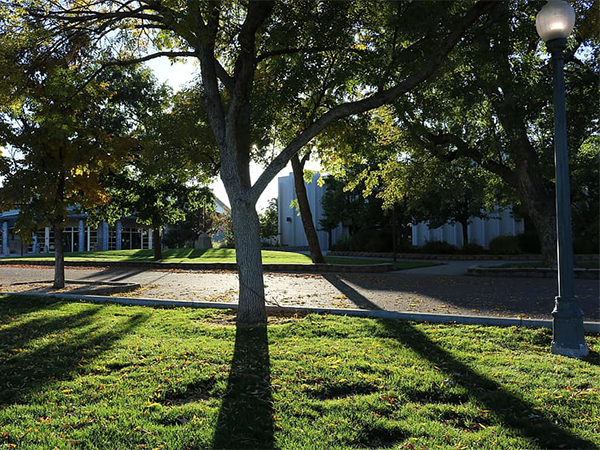
Trees depend on a natural cycle of sunlight and darkness to regulate growth, seasonal changes, and interactions with the surrounding environment. However, as cities and neighborhoods expand, artificial lighting has become increasingly common, extending daylight hours and changing natural nighttime conditions.
While outdoor lighting provides safety and convenience, excessive or poorly designed lighting can create light pollution that affects trees, plants, wildlife, and entire ecosystems.
Understanding how artificial light impacts trees can help homeowners, communities, and urban planners make smarter choices that support healthier landscapes.
Small changes in outdoor lighting choices can make a meaningful difference.
Consider these environmentally friendly practices:
The Role of Sustainable Urban Planning
Communities can also help reduce the impact of artificial light by incorporating wildlife-friendly lighting designs.
Examples include:
Artificial lighting has improved modern life, but excessive nighttime illumination can have unintended effects on trees and the ecosystems they support. By disrupting natural rhythms, changing seasonal patterns, attracting insects, and affecting wildlife behavior, light pollution can influence the health of our landscapes.
Making simple adjustments to outdoor lighting—such as reducing brightness, directing light downward, and using lighting only when needed—can help protect trees and preserve a healthier balance between human activity and the natural world.
While outdoor lighting provides safety and convenience, excessive or poorly designed lighting can create light pollution that affects trees, plants, wildlife, and entire ecosystems.
Understanding how artificial light impacts trees can help homeowners, communities, and urban planners make smarter choices that support healthier landscapes.
-
Disrupted Natural Growth Cycles
Like many living organisms, trees follow internal biological rhythms that respond to daily patterns of light and darkness.
Artificial light at night can interfere with these natural cycles, potentially affecting:- Growth patterns
- Dormancy periods
- Leaf development
- Flowering schedules
- Seasonal responses
-
Changes in Seasonal Timing
Trees rely on changes in daylight length, known as photoperiod cues, to determine when to begin important seasonal processes.
Artificial lighting can disrupt these signals, causing some trees to:- Produce leaves earlier than normal
- Flower at unusual times
- Delay dormancy in the fall
When trees become out of sync with seasonal patterns, it can also affect pollinators and other organisms that depend on predictable plant cycles. -
Increased Insect Activity Around Trees
Artificial lights can attract and concentrate insects near illuminated areas.
This can affect trees in several ways:- Some insects attracted to lights may feed on tree leaves or bark.
- Increased insect activity can change local predator-prey relationships.
- Certain pests may spread more easily in areas with altered insect behavior.
-
Increased Stress from Light Pollution
Trees require periods of darkness for normal biological functions.
Continuous nighttime illumination may contribute to stress by affecting how trees:- Store and use energy
- Allocate resources for growth
- Prepare for seasonal changes
- Defend against pests and disease
Reducing unnecessary nighttime lighting can help create healthier conditions for urban and residential trees. -
Effects on Wildlife That Depend on Trees
Trees provide shelter, food, and nesting areas for countless species. When artificial lighting changes the nighttime environment, it can affect the wildlife that depends on these habitats.
Light pollution may disrupt:- Nocturnal insects
- Migrating birds
- Bats
- Small mammals
- Pollinators
Small changes in outdoor lighting choices can make a meaningful difference.
Consider these environmentally friendly practices:
- Use motion-activated lights instead of leaving outdoor lights on all night.
- Choose warm-colored bulbs with lower blue-light output.
- Aim lights downward rather than toward trees or the sky.
- Use shields or covers to prevent unnecessary light spread.
- Turn off decorative lighting when it is not needed.
- Create darker areas in your yard where wildlife can thrive.
The Role of Sustainable Urban Planning
Communities can also help reduce the impact of artificial light by incorporating wildlife-friendly lighting designs.
Examples include:
- Installing smart lighting systems
- Limiting excessive nighttime illumination
- Creating dark-sky-friendly neighborhoods
- Protecting green spaces from unnecessary light exposure
Artificial lighting has improved modern life, but excessive nighttime illumination can have unintended effects on trees and the ecosystems they support. By disrupting natural rhythms, changing seasonal patterns, attracting insects, and affecting wildlife behavior, light pollution can influence the health of our landscapes.
Making simple adjustments to outdoor lighting—such as reducing brightness, directing light downward, and using lighting only when needed—can help protect trees and preserve a healthier balance between human activity and the natural world.