
FEATURE ARTICLE
Why Is Your Grass Turning Yellow? Common Causes and How to Restore a Healthy Lawn
Jul 15, 2026
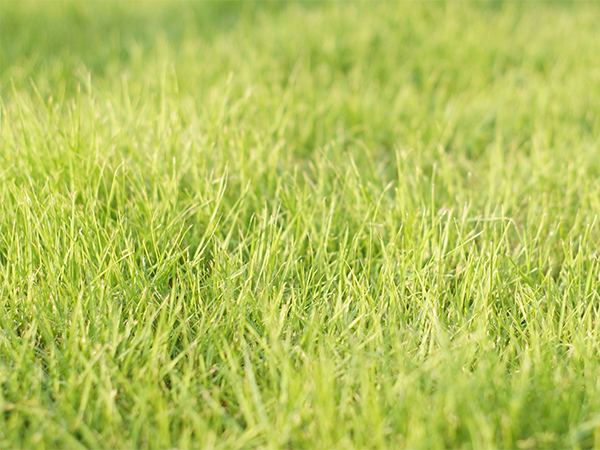
A lush, green lawn enhances your home's curb appeal and creates an inviting outdoor space for relaxing, entertaining, and enjoying time with family. If your grass begins turning yellow, however, it's often a sign that something isn't quite right.
Yellowing grass can result from several factors, including watering habits, nutrient deficiencies, soil conditions, pests, disease, or environmental stress. Identifying the cause early can help prevent further damage and restore your lawn's healthy appearance.
Here are some of the most common reasons grass turns yellow—and what you can do to fix it.
To keep your lawn looking its best throughout the growing season:
Yellow grass is often your lawn's way of signaling that it needs attention. Whether the cause is inadequate watering, nutrient deficiencies, compacted soil, pests, improper mowing, or environmental stress, addressing the underlying issue promptly can help restore your lawn's health.
With consistent maintenance and proper lawn care practices, you can enjoy a greener, healthier lawn that enhances your home's beauty and provides an inviting outdoor space throughout the growing season.
Yellowing grass can result from several factors, including watering habits, nutrient deficiencies, soil conditions, pests, disease, or environmental stress. Identifying the cause early can help prevent further damage and restore your lawn's healthy appearance.
Here are some of the most common reasons grass turns yellow—and what you can do to fix it.
-
Inadequate Watering
One of the most common causes of yellow grass is insufficient watering.
Grass needs consistent moisture to remain healthy, especially during periods of hot or dry weather. Without enough water, grass becomes stressed, slows its growth, and may turn yellow or brown.
For best results:- Water deeply rather than frequently.
- Water early in the morning to reduce evaporation.
- Adjust irrigation schedules during periods of drought or heavy rainfall.
-
Nutrient Deficiencies
Healthy lawns require a balanced supply of nutrients, particularly:- Nitrogen
- Phosphorus
- Potassium
A soil test can help identify nutrient shortages and determine the most appropriate fertilizer for your lawn's specific needs.
Following a seasonal fertilization schedule can promote steady growth and vibrant green color. -
Soil pH Problems
Even if nutrients are present, grass may not be able to absorb them if the soil's pH is too high or too low.
Testing your soil can help determine whether amendments are needed.
Depending on the results, you may need to:- Apply lime to raise soil pH.
- Apply sulfur to lower soil pH.
-
Compacted Soil
Over time, foot traffic, heavy equipment, and natural settling can compact the soil.
Compacted soil limits:- Air circulation
- Water penetration
- Root growth
- Nutrient absorption
Many homeowners benefit from aerating their lawns annually or as recommended for their soil type. -
Lawn Pests and Diseases
Several lawn pests and diseases can cause yellow patches or widespread discoloration.
Common culprits include:- Grubs
- Chinch bugs
- Fungal diseases
- Root diseases
Early treatment often prevents more extensive damage. -
Improper Mowing Practices
Cutting grass too short can weaken the lawn and increase stress.
To maintain healthy turf:- Follow the one-third rule by removing no more than one-third of the grass blade at a time.
- Keep mower blades sharp.
- Mow at the recommended height for your grass variety.
-
Environmental Stress
Extreme weather conditions can also contribute to yellowing grass.
Stress factors include:- Extended heat waves
- Drought
- Heavy rainfall
- Excessive foot traffic
- Pet urine
- Chemical overuse from fertilizers or herbicides
To keep your lawn looking its best throughout the growing season:
- Water deeply and consistently.
- Fertilize according to soil test recommendations.
- Aerate compacted soil when needed.
- Mow at the proper height.
- Control weeds, pests, and diseases promptly.
- Avoid excessive fertilizer or herbicide applications.
- Overseed thin areas to encourage dense growth.
Yellow grass is often your lawn's way of signaling that it needs attention. Whether the cause is inadequate watering, nutrient deficiencies, compacted soil, pests, improper mowing, or environmental stress, addressing the underlying issue promptly can help restore your lawn's health.
With consistent maintenance and proper lawn care practices, you can enjoy a greener, healthier lawn that enhances your home's beauty and provides an inviting outdoor space throughout the growing season.