
FEATURE ARTICLE
How to Prevent Plaque Buildup and Keep Your Smile Healthy
Jul 8, 2026
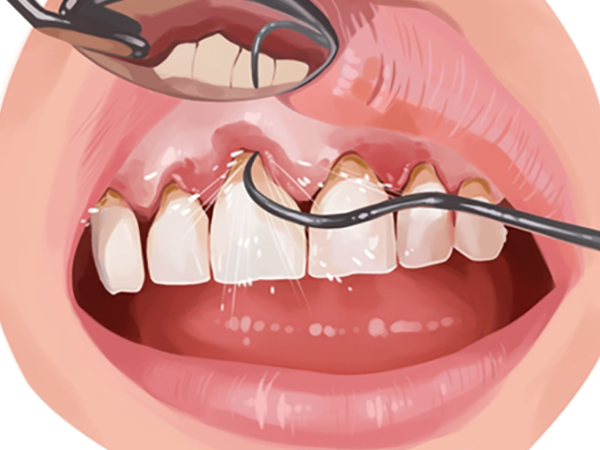
A healthy, confident smile starts with good oral hygiene, and preventing plaque buildup is one of the most important steps you can take to protect your teeth and gums. Plaque is a sticky, colorless film of bacteria that forms on your teeth throughout the day. If it isn't removed regularly, it can harden into tartar, increasing your risk of cavities, gum disease, persistent bad breath, and even tooth loss.
The good news is that preventing plaque is easier than treating the problems it can cause. By following a few simple daily habits, you can maintain a healthier smile and reduce the need for extensive dental treatment.
Brush Your Teeth Twice Daily
Brushing your teeth at least twice a day with a fluoride toothpaste remains the foundation of good oral health. Brushing removes plaque before it has a chance to harden into tartar.
For the best results:
Electric toothbrushes can also be an excellent option, as many studies show they remove more plaque than manual brushing when used properly.
Floss Every Day
Even the best toothbrush can't reach between your teeth, where plaque often accumulates.
Daily flossing helps:
Use an Antibacterial Mouthwash
Adding an antimicrobial or fluoride mouthwash to your routine provides an extra layer of protection by helping reduce bacteria that contribute to plaque and bad breath.
Choose a mouthwash that carries the American Dental Association (ADA) Seal of Acceptance and use it after brushing and flossing as directed.
Eat a Tooth-Friendly Diet
Your diet has a direct impact on your oral health. Bacteria feed on sugars and refined carbohydrates, producing acids that weaken tooth enamel and encourage plaque formation.
Support healthy teeth by eating:
Stay Hydrated
Drinking plenty of water throughout the day benefits both your overall health and your smile.
Water helps:
Visit Your Dentist Regularly
Even with excellent home care, routine dental visits remain essential. Professional cleanings remove tartar that cannot be eliminated through brushing or flossing alone.
Regular dental checkups also allow your dentist to detect early signs of:
Don't Forget Your Tongue
Many people overlook tongue cleaning, yet bacteria can accumulate on the tongue's surface, contributing to plaque buildup and bad breath.
Gently brushing your tongue or using a tongue scraper each day helps reduce bacteria and leaves your mouth feeling cleaner and fresher.
Plaque forms naturally every day, but it doesn't have to lead to cavities or gum disease. Consistent brushing, daily flossing, using an ADA-approved mouthwash, eating a balanced diet, staying hydrated, cleaning your tongue, and scheduling regular dental visits all work together to keep your smile healthy.
The good news is that preventing plaque is easier than treating the problems it can cause. By following a few simple daily habits, you can maintain a healthier smile and reduce the need for extensive dental treatment.
Brush Your Teeth Twice Daily
Brushing your teeth at least twice a day with a fluoride toothpaste remains the foundation of good oral health. Brushing removes plaque before it has a chance to harden into tartar.
For the best results:
- Brush for at least two minutes.
- Use a soft-bristled toothbrush.
- Clean the front, back, and chewing surfaces of every tooth.
- Hold the brush at a 45-degree angle toward the gumline.
Electric toothbrushes can also be an excellent option, as many studies show they remove more plaque than manual brushing when used properly.
Floss Every Day
Even the best toothbrush can't reach between your teeth, where plaque often accumulates.
Daily flossing helps:
- Remove plaque between teeth.
- Clean below the gumline.
- Reduce the risk of cavities and gum disease.
Use an Antibacterial Mouthwash
Adding an antimicrobial or fluoride mouthwash to your routine provides an extra layer of protection by helping reduce bacteria that contribute to plaque and bad breath.
Choose a mouthwash that carries the American Dental Association (ADA) Seal of Acceptance and use it after brushing and flossing as directed.
Eat a Tooth-Friendly Diet
Your diet has a direct impact on your oral health. Bacteria feed on sugars and refined carbohydrates, producing acids that weaken tooth enamel and encourage plaque formation.
Support healthy teeth by eating:
- Fresh fruits and vegetables
- Whole grains
- Lean proteins
- Dairy products rich in calcium
- Crunchy vegetables that help stimulate saliva production
Stay Hydrated
Drinking plenty of water throughout the day benefits both your overall health and your smile.
Water helps:
- Wash away food particles.
- Neutralize acids in the mouth.
- Promote healthy saliva production.
- Reduce dry mouth, which can increase plaque buildup.
Visit Your Dentist Regularly
Even with excellent home care, routine dental visits remain essential. Professional cleanings remove tartar that cannot be eliminated through brushing or flossing alone.
Regular dental checkups also allow your dentist to detect early signs of:
- Tooth decay
- Gum disease
- Worn fillings
- Oral health concerns before they become more serious
Don't Forget Your Tongue
Many people overlook tongue cleaning, yet bacteria can accumulate on the tongue's surface, contributing to plaque buildup and bad breath.
Gently brushing your tongue or using a tongue scraper each day helps reduce bacteria and leaves your mouth feeling cleaner and fresher.
Plaque forms naturally every day, but it doesn't have to lead to cavities or gum disease. Consistent brushing, daily flossing, using an ADA-approved mouthwash, eating a balanced diet, staying hydrated, cleaning your tongue, and scheduling regular dental visits all work together to keep your smile healthy.