
Spring: Revitalize Your Lawn
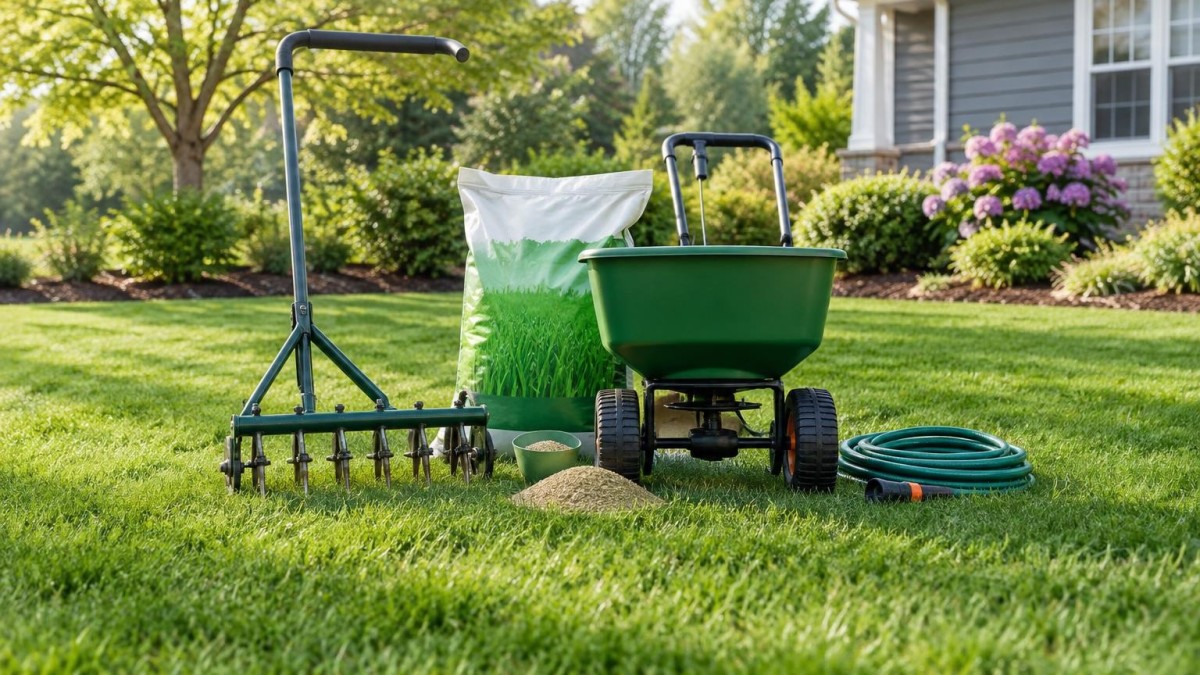
Spring signals new beginnings, making it the perfect time to restore your lawn after winter. Start by aerating the soil to improve air, water, and nutrient penetration, especially if your lawn feels compacted. Follow up with overseeding any bare or thin spots using grass varieties suited to your region. Be sure to water these areas consistently until seeds establish. Applying a slow-release fertilizer tailored to your lawn's specific nutrient needs supports healthy growth, while a pre-emergent herbicide helps keep pesky weeds like crabgrass at bay before they sprout. As your grass grows, begin mowing regularly but never cut more than one-third of the blade length at a time.
Summer: Care for Heat and Drought
Summer's heat can stress your lawn, so it's crucial to adjust your care routine. Water deeply but less often—aim for once or twice a week in the early morning to encourage deep roots and minimize evaporation. Raise your mowing height to protect soil moisture and shade the roots, which also helps crowd out weeds naturally. Mulching around plants helps conserve moisture and regulate soil temperatures while also preventing weed growth. Keep an eye out for signs of pests or diseases, such as brown patches or insect damage, and address issues early. Finally, reduce heavy foot traffic on stressed areas to give your lawn a better chance to thrive.
Fall: Build Strength for the Future
Many lawn experts agree fall is vital for strengthening your lawn's health. Cooler weather encourages root growth while lessening stress on grass. Aerate and overseed again to fill in thinning areas, especially for cool-season grasses that thrive this time of year. Apply a fall-specific fertilizer to support root development and store nutrients for spring growth. Regularly remove fallen leaves to prevent moisture buildup and disease, either by raking, mulching, or composting them. Target perennial weeds during fall when they're vulnerable, and continue mowing until the grass growth slows, gradually lowering the height but avoiding cutting the lawn too short.
Winter: Protect and Prepare
Winter care focuses on protecting your lawn during dormancy. Remove debris like branches and outdoor items that could smother grass or encourage snow mold. Avoid walking on frozen or frosted grass, as this can damage blades and crowns, leading to bare spots in spring. Watch for signs of winter pests such as voles, which can cause damage beneath the surface. In snowy climates, avoid piling snow mixed with road salt on the lawn, as melting salt harms grass and soil health.
Year-Round Best Practices
To keep your lawn thriving through all seasons, maintain sharp mower blades for clean cuts and test soil every few years to monitor pH and nutrient needs. Water only as needed to prevent overwatering, and whenever possible, leave grass clippings on the lawn to recycle nutrients back into the soil. Early attention to weeds and pests goes a long way in preventing big problems. Consistency with these routines will give you a lush, resilient lawn that enhances your home's curb appeal year after year.
Newsletter Station provides professionally written, ready-to-send newsletters customized for your market and brand.
EXPLORE NEWSLETTER OPTIONS